


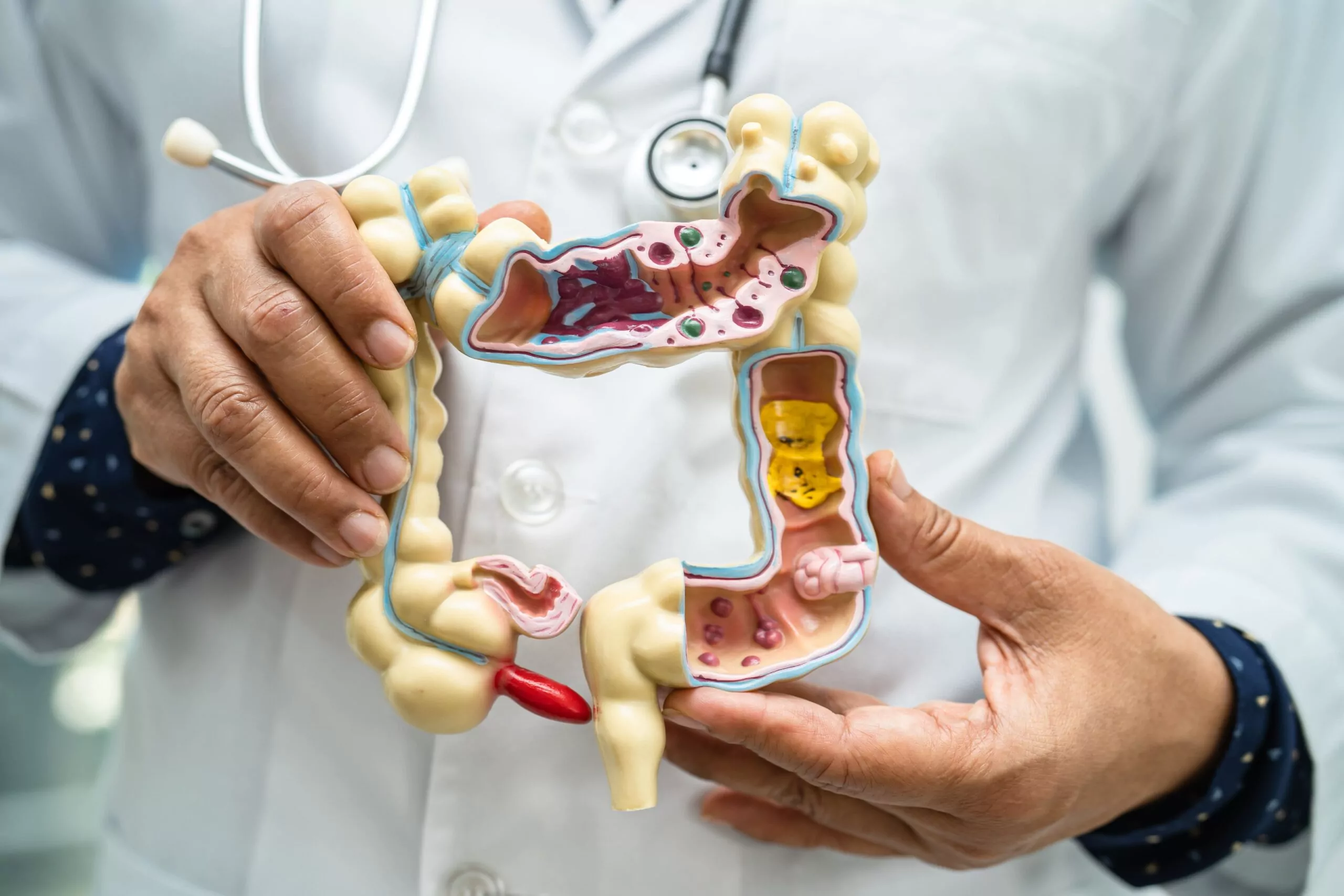
Colon cancer starts in the large intestine, and it typically grows slowly over many years. Since early tumors rarely cause symptoms, screening helps find problems before they spread. Doctors use several methods to look for warning signs, and each method works a bit differently. Here is more information on screening techniques that doctors may use to test for colon cancer:
Stool Tests
Stool tests look for hidden blood or altered DNA in your bowel movements. You collect a small sample at home, and you mail it to a lab for analysis. This approach feels simple, and it requires no special preparation beforehand. Since these tests are noninvasive, many people choose them as a starting point. Key benefits of stool tests for colon cancer screening include:
- Convenient: Collect your sample at home with no clinic visit required
- Noninvasive: No sedation, scopes, or special preparation needed
- Accessible: Kits are widely available and easy to use
- Regular: Encourages consistent screening on a set schedule
Colonoscopy Tests
A colonoscopy examines the entire colon using a thin, flexible tube with a camera. The doctor guides the scope through your rectum, and it sends live images to a screen. When sedation is used, most people feel little discomfort during the procedure. This test also lets the doctor remove small growths in the same session.
You prepare for a colonoscopy by clearing your bowel the day before. The prep involves a special diet and a liquid solution that empties your intestines. This step feels inconvenient, but a clean colon gives the doctor a clearer view. Guidelines suggest this test every 10 years for average-risk adults.
Doctors may use colonoscopy results to guide future screening timing. If they find polyps, they may schedule your next test sooner. When the exam is clear, your next appointment falls further out. Your medical history shapes this schedule, so talk with your doctor about timing.
Sigmoidoscopy Tests
A sigmoidoscopy checks only the lower part of the colon. The doctor inserts a short scope, and it examines the rectum and sigmoid colon. Because the scope reaches less area, the prep tends to be lighter. This test misses growths in the upper colon, so it has clear limits.
Some people pair sigmoidoscopy with a stool test for broader coverage. The procedure usually takes less time than a full colonoscopy. Recovery is quick, and most people resume normal activity the same day. Talk with your doctor about whether this option fits your situation.
Test Combinations
Doctors sometimes combine screening methods to cover different parts of the colon. A stool test paired with sigmoidoscopy checks both hidden blood and the lower colon. This mix balances convenience with wider coverage, and it suits certain patients well. Your risk level guides which combination makes sense for you.
Combinations include a few practical pairings:
- Stool test plus sigmoidoscopy
- Stool DNA test with scheduled follow-up
Each pairing follows its own timeline, and your doctor sets the exact schedule. These plans depend on your age, family history, and past results. When one test flags a concern, a follow-up colonoscopy often confirms the finding. Ask your doctor to explain how each option applies to your health.
Get Tested for Colon Cancer
Screening options range from simple home kits to full colonoscopy exams; each method has trade-offs, and the right choice depends on your personal risk. Your age and family history help shape the plan that fits you. Talk with your doctor about which screening method suits your needs. Schedule an appointment today, and ask which test matches your risk profile.
