


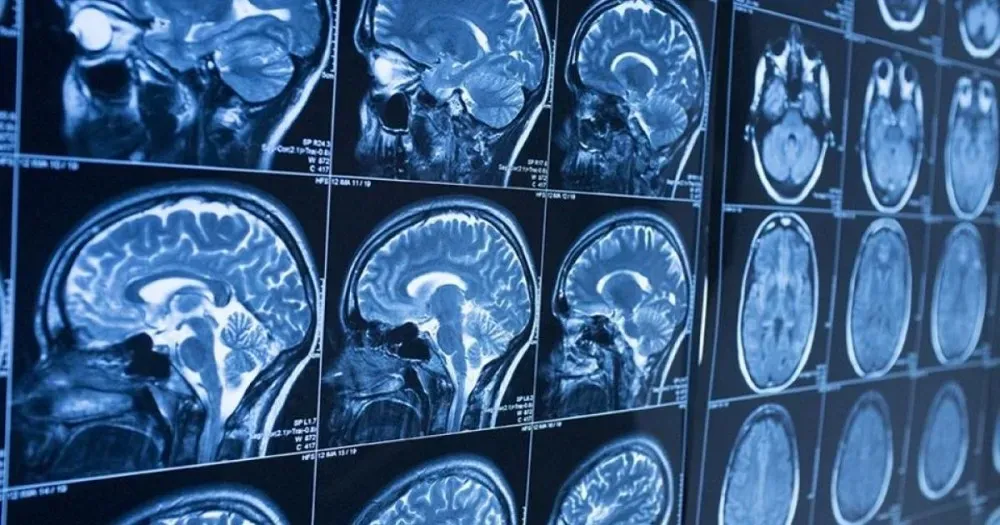
Neuroradiology combines imaging technology and neurological care. Using advanced imaging technologies, neuroradiologists provide physicians with detailed views of the brain, spine, and nervous system, which allows for the identification of structural abnormalities with a high degree of precision. This diagnostic capability allows clinicians to move beyond generalized assessments, and it enables the development of treatment plans tailored to each patient’s specific neurological profile. Here is more information on this medical specialty:
What Is Neuroradiology?
Neuroradiology is a subspecialty of radiology focused on diagnosing and characterizing diseases of the nervous system. When imaging technologies such as MRI (magnetic resonance imaging), CT (computed tomography), and cerebral angiography are used, neuroradiologists can obtain detailed images that reveal abnormalities within the brain, spine, and surrounding structures. These specialists interpret imaging findings, and they may collaborate with other clinicians to guide personalized care decisions.
Who Does It Help?
Neuroradiology serves patients across a wide range of spinal and neurological conditions. Those experiencing stroke symptoms, seizures, persistent headaches, or unexplained cognitive decline may be referred for neuroradiological evaluation; patients with spinal cord injuries or herniated discs follow a similar referral process. Since early detection influences treatment outcomes, specialized imaging plays an integral role in identifying suspected tumors of the brain or spine before conditions progress.
This medical specialty also contributes to the management of chronic neurological diseases, which often require ongoing evaluation and specialized care. Patients living with multiple sclerosis may rely on periodic MRI scans to track lesion activity; these scans also allow clinicians to assess the effectiveness of ongoing treatment. This continuous monitoring process means that neuroradiology facilitates long-term care rather than a one-time diagnostic step.
What Imaging Services Are Offered?
Several imaging modalities are offered in this medical specialty, each suited to different diagnostic needs:
- MRI: Uses magnetic fields and radio waves to produce high-contrast images of soft tissue.
- CT: Combines X-ray data from multiple angles to generate cross-sectional images.
- Cerebral Angiography: A technique that maps blood vessels in the brain.
- Myelography: Involves injecting contrast dye into the spinal canal before imaging.
Each of these services generates a different type of data. Selecting the right modality depends on the question being asked, the patient’s medical history, and the anatomical region under examination.
How Are Treatment Plans Personalized?
Personalization in treatment begins the moment imaging findings are interpreted; a neuroradiologist’s report characterizes the size, location, extent, and tissue properties of a finding. This level of detail allows the treating physician to identify the most appropriate intervention. Whether the recommended course involves surgery, medication, radiation, or watchful monitoring, the specificity of imaging data helps the clinical decisions reflect the patient’s unique presentation.
Imaging also supports treatment adjustments over time. When a patient begins a new therapy, follow-up scans offer evidence of how the brain or spine is responding, and clinicians use this data to refine or redirect the treatment approach as needed. This ongoing feedback loop between imaging findings and clinical decisions transforms a static diagnosis into a dynamic, patient-centered care plan, and the plan evolves alongside the patient’s condition.
Consult a Neuroradiologist Now
Neuroradiology contributes to the accuracy and personalization of neurological care; from the initial diagnosis to ongoing treatment monitoring, imaging findings shape the decisions that affect patient outcomes at every stage. The precision offered by MRI, CT, cerebral angiography, and myelography gives clinicians the information they need to personalize treatment plans. If you are seeking a clearer understanding of your neurological condition, schedule a consultation with a qualified neuroradiologist.
