


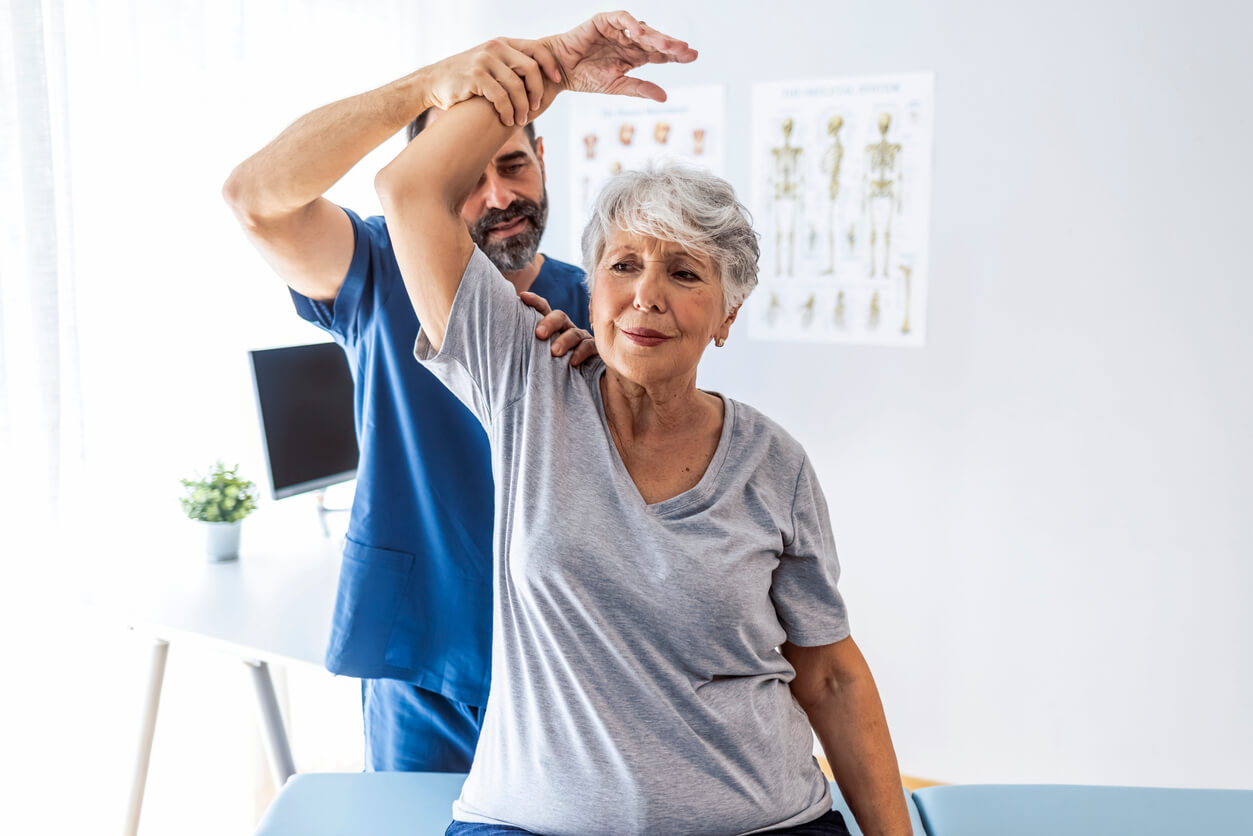
The human body relies on bones, joints, muscles, and connective tissues to move, bend, and stay stable throughout the day. When any part of this system is injured or affected by disease, everyday activities such as walking, lifting, or climbing stairs can become difficult. A bone and joint clinic offers a dedicated setting where people with these concerns may receive focused care.
What Is a Bone and Joint Clinic?
A bone and joint clinic is a medical facility that focuses on the musculoskeletal system; this system includes bones, joints, ligaments, tendons, muscles, and nerves. Clinics of this type are often staffed by orthopedic specialists, as well as other medical professionals. They work to diagnose and manage problems that affect movement and physical function.
Unlike a general medical office, this type of clinic can center its attention on musculoskeletal health. Patients may arrive with a recent injury, a long-standing condition, or discomfort that has developed gradually over time. The clinic can serve as a single point of contact for evaluation, treatment planning, and ongoing management, and this helps make the process of seeking care more straightforward.
Clinics may treat patients of different ages and activity levels. Some individuals visit after a sports injury, and others seek help for age-related wear or the effects of a repetitive task. The shared purpose is to support movement, as well as restoring function where possible.
What Conditions Do They Treat?
These clinics address a broad range of conditions. These fall into certain categories; these may be related to injury, chronic disease, and structural concerns. There are a variety of issues that can be addressed, including:
- Fractures: Broken bones caused by falls, accidents, or repeated stress.
- Arthritis: Joint inflammation that can lead to stiffness and discomfort, including osteoarthritis and rheumatoid arthritis.
- Sprains and Strains: Injuries to ligaments and muscles that often occur during physical activity.
- Tendon and Ligament Injuries: Damage such as torn rotator cuffs or ligament tears in the knee.
- Back and Neck Conditions: Pain or limited motion linked to the spine, discs, or surrounding muscles.
- Overuse Injuries: Conditions such as tendinitis or bursitis that develop from repeated motion.
Each condition is evaluated on an individual basis, and treatment approaches are matched to the person’s needs.
What Services Do They Provide?
These clinics offer a combination of difference care methods, and this includes diagnostic, treatment, and rehabilitation services. This range allows patients to receive coordinated care in one place. Typical services range in their approaches, including:
- Diagnostic Imaging: X-rays and other imaging tools used to identify the source of a problem.
- Physical Examinations: Hands-on assessments that evaluate movement, strength, and areas of discomfort.
- Non-surgical Treatments: Options such as medication management, bracing, injections, and activity modification.
- Physical Therapy: Guided exercises and techniques designed to rebuild strength, flexibility, and range of motion.
- Surgical Procedures: Operations performed when other methods do not address the condition, including joint repair or replacement.
- Follow-up Care: Ongoing appointments that track progress and adjust treatment as needed.
Many clinics take a stepwise approach. Providers often begin with conservative methods before recommending more involved procedures. This structure gives patients clear options and helps them understand each stage of their care.
Seek Care From a Clinic
Musculoskeletal problems can affect people in many ways, from minor discomfort to conditions that limit daily movement. A bone and joint clinic brings together the tools, expertise, and treatment methods needed to evaluate these concerns and support recovery. Early attention to symptoms helps patients maintain function, and it may reduce the risk of further complications.
