


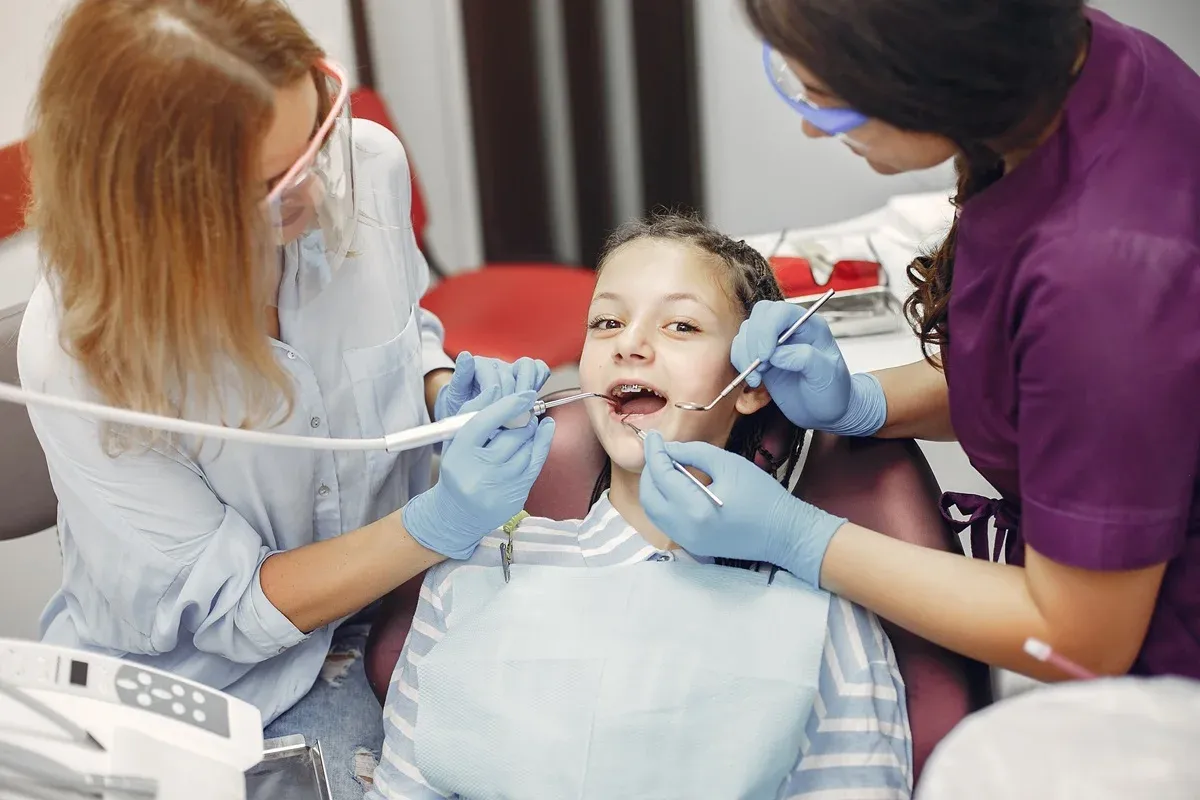
A child’s first dental visit can influence how they feel about dental care in the future. Pediatric dentistry focuses on creating a comfortable and age-appropriate experience while helping children develop healthy oral habits. Here is more information on how to prepare your child for their first pediatric dentistry appointment:
Talking Positively About the Visit
The way you describe the pediatric dentistry appointment affects how your child views it. Use neutral, simple words, and avoid terms like “pain,” “shot,” or “drill” to avoid creating unnecessary worry. When you frame the visit as a routine part of staying healthy, your child develops a calm expectation.
Timing your conversation also matters. Young children respond well to short explanations given a day or two ahead, while older kids may want more detail about what to expect. Keep your tone factual, answer questions directly, and reassure them that the dentist checks teeth to keep them strong. Books and videos about dental visits can support your explanation. These tools show what the office looks like, and they introduce common steps in a familiar format.
Practicing Dental Routines
Familiar habits at home help your child prepare for the exam chair. A consistent routine builds comfort with the sensations a dentist will introduce during the visit. Start small, then expand these habits as your child adjusts. Before the pediatric dentistry appointment, contemplate practicing a few of these activities at home:
- Brushing together: Model gentle brushing twice a day so your child mirrors the motion and duration.
- Counting teeth: Take turns counting teeth in a mirror, which mimics part of a dental exam.
- Opening wide: Ask your child to open their mouth and hold still for a few seconds, a helpful skill during checkups.
- Practicing on toys: Let your child “examine” a doll or stuffed animal to play out the visit.
Preparing for the Visit
Practical planning on the appointment day can keep the visit organized. Schedule the appointment when your child is usually rested and fed to reduce restlessness. A morning slot often works well for younger children, though the best time depends on your family’s routine.
Gather the paperwork and information the office may request before you leave home. This includes your child’s health history, insurance details, and a list of any concerns you want to address. Arriving a few minutes early gives your child time to adjust to the new environment, and it prevents a rushed start. Contemplate packing one or two of the following:
- A favorite toy or blanket: Familiar objects offer reassurance in a new place.
- A book or quiet activity: These keep your child occupied in the waiting area.
- A change of clothes for infants: Younger patients may need a fresh outfit after the visit.
Supporting Your Child
Your presence and behavior during the pediatric dentistry appointment guide your child’s response. Stay calm, speak softly, and follow the dental team’s lead, as they use techniques suited to young patients. Children often mirror the adults around them, so a relaxed parent encourages a relaxed child.
Let the dentist and hygienist build rapport with your child. They may explain each tool, count teeth aloud, or use age-appropriate language to describe the steps. Stepping back slightly gives the team room to work, and it helps your child trust the provider directly. Praise your child for small efforts throughout the visit. Acknowledge cooperation with specific comments, such as noting how well they held still or opened wide.
Schedule Your Pediatric Dentistry Appointment
Preparing your child for a first pediatric dentistry visit requires clear communication, practiced routines, and organized planning. Talking positively and rehearsing dental habits can support a smooth experience. These steps help establish good oral health habits early and set the background for consistent care. Contact your local dental practice to schedule your child’s pediatric dentistry appointment today.
