


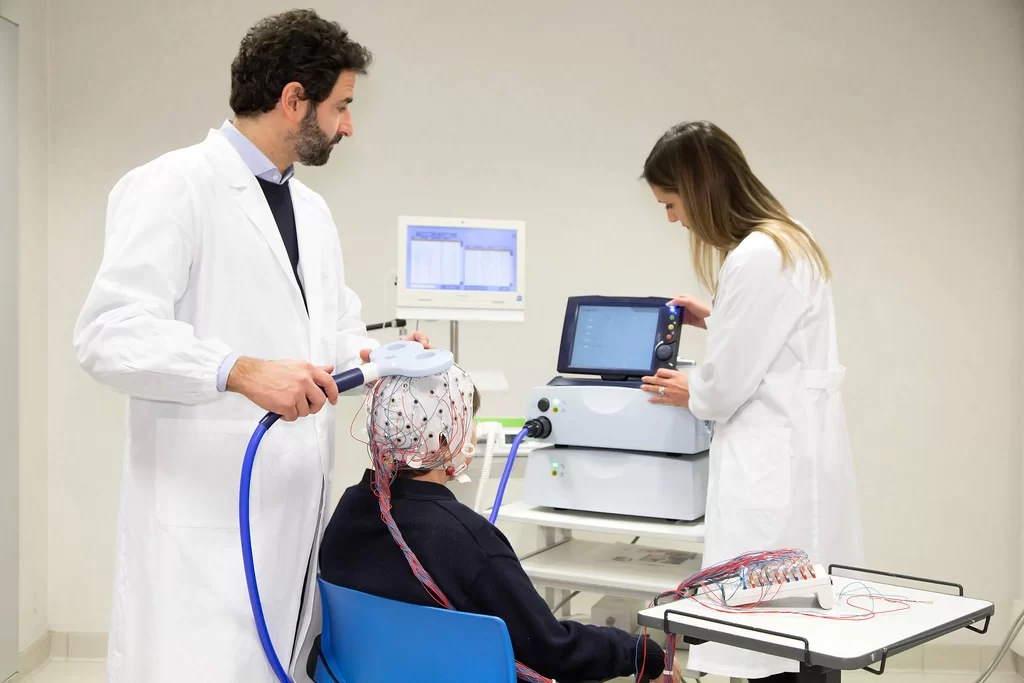
Transcranial magnetic stimulation (TMS) is a noninvasive treatment for certain mental health conditions, and it uses pulses to reach specific areas of the brain. Doctors may turn to TMS therapy when medications have not helped a patient. Here are some of the steps behind this therapy and what happens during a session:
Delivering Electromagnetic Pulses
A TMS therapy session starts with a coil placed against your scalp. The coil sits near the front of your head, and it targets a region tied to mood regulation. This placement matters because different brain areas control different functions.
The device sends short magnetic pulses through the coil. These pulses pass through your skull painlessly, and they reach the tissue below. Since the field is focused, it affects a small, defined region.
You stay awake during the whole process. The pulses make a tapping sound, and you may feel a light knocking on your scalp. Since sessions follow a set schedule, most people know what to expect each visit.
Boosting Chemical Messengers
Neurons communicate using chemical messengers called neurotransmitters. When TMS stimulates nerve cells, it may influence how these chemicals move. Researchers link low activity in certain regions to some conditions.
TMS aims to change activity in underactive areas of the brain. The therapy targets networks involved in mood, and it works alongside other treatments. Since the brain relies on balanced signaling, providers monitor your progress closely. Your care team tracks several details during treatment:
- Session frequency and total number completed
- Pulse strength set for each visit
- Any changes you report between sessions
Stimulating Nerve Cells
Once the pulses reach your brain, they stimulate nerve cells called neurons. Neurons carry signals across the brain, and TMS prompts them to activate. This activation happens only in the targeted area.
Repeated pulses build a pattern of stimulation over time. Your provider adjusts the strength and timing, and each setting fits your treatment plan. Since sessions repeat over several weeks, the effect on nerve cells accumulates.
Treating Depression or OCD
Doctors use TMS for specific, approved conditions. It is used for major depressive disorder, and it also helps treat obsessive-compulsive disorder. Providers follow strict guidelines when they recommend this therapy.
A typical course runs five days a week for several weeks. Each session for a standard course lasts roughly 20 minutes, and you return home afterward. Since the treatment is noninvasive, most people resume daily activities right away.
TMS is not the right choice for everyone. Certain metal implants near the head rule it out, and a screening step checks for risks. Your provider reviews your history before you begin. Before starting, your team will typically confirm the following:
- A lack of implants near your head
- A clear diagnosis that matches approved uses
- A review of past treatments you have tried
Schedule TMS Therapy Near You
TMS therapy uses focused magnetic pulses to stimulate nerve cells in specific brain regions. Sessions are noninvasive, and they follow a set schedule over several weeks; screening confirms that the treatment fits your situation before you begin. If you want to learn whether TMS matches your needs, reach out to a qualified provider. Call a clinic near you to schedule a consultation and discuss your options today.
