


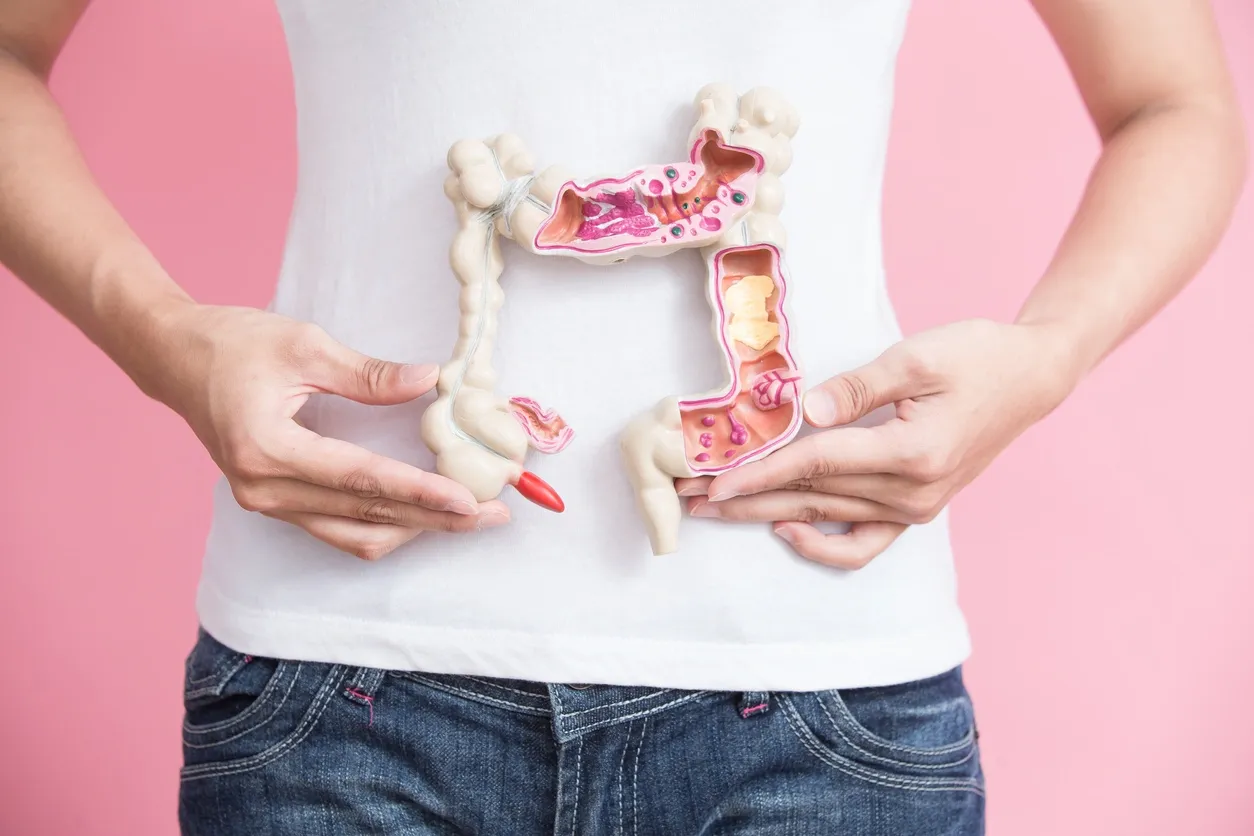
Ulcerative colitis is a chronic inflammatory bowel disease that affects the inner lining of the colon. Managing ulcerative colitis requires more than short-term symptom relief; it demands a structured, long-term approach that addresses the condition’s underlying mechanisms. Long-term management may combine medication, dietary adjustments, and regular medical monitoring, all of which contribute to sustained remission and improved quality of life. Here is more information on long-term management strategies for ulcerative colitis treatment:
What Is Ulcerative Colitis?
Ulcerative colitis (UC) is a chronic inflammatory bowel disease (IBD) that causes inflammation and ulcers along the inner lining of the large intestine and rectum. UC is confined to the colon, which distinguishes it from Crohn’s disease, as Crohn’s can affect any part of the digestive tract. The condition follows a relapsing-remitting pattern, and patients may experience cycles of flare-ups and periods of remission.
Ulcerative colitis treatment focuses on reducing inflammation, managing symptoms, and maintaining long-term remission. Without consistent management, the disease can impair daily functioning; in severe cases, it leads to complications such as colon perforation or an elevated risk of colorectal cancer. Early diagnosis is valuable. When paired with a structured treatment plan, early diagnosis gives patients a better chance at sustained remission.
What Causes It?
The exact cause of ulcerative colitis is not fully understood, but a combination of genetic, immune, and environmental factors may contribute. When the immune system mistakenly attacks the cells of the colon, chronic inflammation occurs. Those with a family history of UC or other IBDs carry a higher risk of developing the condition. Environmental factors may include certain medications and changes to the gut microbiome.
What Are the Symptoms?
Symptoms of ulcerative colitis vary in severity depending on the extent of colon involvement and whether the disease is in an active or remission phase. Common symptoms include:
- Frequent, urgent bowel movements, often containing blood or mucus
- Abdominal cramping and pain, particularly in the lower left region
- Persistent diarrhea, rectal pain, and an inability to defecate despite urgency
- Fatigue, unintended weight loss, and reduced appetite during active flares
Recognizing both gastrointestinal and systemic symptoms allows for more accurate monitoring and timely adjustment of treatment.
What Are Effective Management Strategies?
Long-term management of ulcerative colitis typically involves medication, lifestyle modifications, and routine clinical monitoring. Medications are commonly prescribed for mild to moderate UC because they help reduce inflammation in the colon lining. For more severe cases, a gastroenterologist may recommend corticosteroids, immunomodulators, or biologic therapies, and patients benefit from following the prescribed regimen closely.
Dietary adjustments support symptom management, particularly during flare-ups. A low-residue diet and adequate hydration can reduce the frequency and severity of episodes, and identifying personal food triggers further refines this approach. Nutritional needs vary between individuals, so working with a healthcare professional familiar with IBD allows patients to develop a sustainable eating plan that supports gut health without unnecessarily restricting key nutrients. Routine follow-up appointments, colonoscopies, and bloodwork are central to long-term disease monitoring.
Seek Ulcerative Colitis Treatment Now
Ulcerative colitis is a lifelong condition, but it is manageable with the right treatment plan. Combining medication, dietary support, and regular clinical oversight helps patients reduce flare-ups and protect long-term colon health. Delaying treatment allows inflammation to progress, increasing the risk of complications. If you are experiencing symptoms consistent with ulcerative colitis, consult a gastroenterologist promptly. A specialist will confirm a diagnosis and develop a personalized ulcerative colitis treatment strategy suited to your specific needs.
