


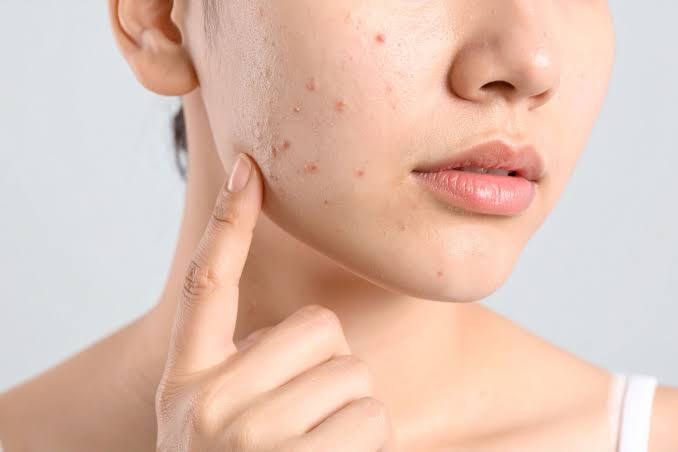
Pimples are one of the most common skin concerns people experience, but persistent or severe breakouts can be frustrating and difficult to manage. While occasional pimples may improve with a basic skincare routine, recurring acne, painful spots, or stubborn marks may require professional attention. This is where a pimples dermatologist can make a significant difference.
A dermatologist is a medical doctor who specializes in diagnosing and treating conditions affecting the skin, hair, and nails. When pimples continue to appear despite your skincare efforts, a dermatologist can determine what is causing the problem and recommend treatment based on your particular skin type and acne pattern.
Understanding when professional treatment is necessary can help prevent acne from becoming more severe and reduce the risk of long-lasting scars.
What Is a Pimples Dermatologist?
The term pimples dermatologist generally refers to a dermatologist who treats people experiencing pimples and acne-related skin problems. Dermatologists have specialized medical training that allows them to identify different types of acne and distinguish acne from other skin conditions that may look similar.
Pimples can develop for several reasons, including excess oil production, blocked pores, bacteria, hormonal changes, inflammation, and certain lifestyle or environmental factors. Because the underlying cause can vary from person to person, using the same treatment for everyone does not always produce good results.
A dermatologist can examine your skin, assess the severity of your acne, identify possible triggers, and create an appropriate treatment plan.
Why Do Pimples Develop?
To understand why professional acne treatment may be necessary, it helps to understand how pimples form.
Your skin contains tiny structures called hair follicles. Each follicle is connected to an oil-producing gland. These glands produce sebum, an oily substance that helps keep the skin from becoming excessively dry.
Problems can occur when a follicle becomes clogged with excess oil and dead skin cells. The blocked follicle may develop into a whitehead or blackhead. If inflammation and other factors become involved, the blemish may develop into a red, swollen pimple.
Several factors may contribute to pimples, including:
- Excess oil production
- Dead skin cell buildup
- Clogged pores
- Hormonal fluctuations
- Certain medications
- Stress
- Genetics
- Some cosmetic or hair-care products
- Friction or pressure on the skin
Not every person has the same combination of triggers. This is one reason why professional evaluation can be useful when acne becomes persistent.
When Should You Visit a Pimples Dermatologist?
Not every pimple requires a medical appointment. Occasional mild breakouts can sometimes be managed with an appropriate over-the-counter skincare routine.
However, you may want to consider seeing a dermatologist if your pimples are frequent, painful, widespread, or leaving marks.
Some signs that professional evaluation may be appropriate include:
Persistent Breakouts
If pimples continue to appear for weeks or months despite consistent skincare, it may be time to seek professional advice. Repeated breakouts can indicate that your current routine is not addressing the underlying causes.
Painful or Deep Pimples
Large, tender, deep pimples can be more difficult to manage than ordinary surface blemishes. Attempting to squeeze or puncture these lesions can increase inflammation and potentially contribute to scarring.
A dermatologist can determine the appropriate approach based on the type and severity of the acne.
Acne Scars or Dark Marks
Some pimples can leave behind discoloration or scars after they heal. Treating acne early may help reduce the likelihood of developing more noticeable long-term skin changes.
If you already have acne scars or persistent marks, a dermatologist can discuss treatment options designed for your particular skin condition.
Acne Affecting Your Confidence
Acne is not only a physical skin concern. Persistent breakouts can affect confidence, social interactions, and emotional well-being.
If your skin condition is causing significant distress or making you uncomfortable in everyday situations, discussing it with a qualified dermatologist may be worthwhile.
What Happens During a Dermatologist Appointment?
Many people delay visiting a dermatologist because they are unsure what will happen during the appointment. In most cases, the process begins with a discussion about your skin history.
The dermatologist may ask questions such as:
- When did your pimples begin?
- How often do you experience breakouts?
- Which areas of your skin are affected?
- What skincare products are you currently using?
- Have you tried acne treatments before?
- Do your breakouts appear to change over time?
- Are the pimples painful or leaving scars?
The dermatologist will also examine your skin and determine the type and severity of acne.
Based on the evaluation, the dermatologist may recommend changes to your skincare routine, topical treatments, prescription medication, or other appropriate approaches.
Common Types of Pimples and Acne
Understanding the different types of acne can help explain why treatment varies from person to person.
Whiteheads
Whiteheads occur when a pore becomes blocked and remains closed at the surface. They usually appear as small, pale or flesh-colored bumps.
Blackheads
Blackheads are also caused by clogged pores. Unlike whiteheads, the pore remains open, allowing the material inside to react with air and appear dark.
The dark color does not necessarily mean the pore contains dirt.
Papules
Papules are small, raised, inflamed bumps that may appear red or irritated. They generally do not contain visible pus.
Pustules
Pustules are inflamed pimples that contain pus. They may have a white or yellow center surrounded by redness.
Nodules and Cysts
Nodules and cysts are deeper and often more painful than ordinary pimples. Severe forms of acne can increase the risk of permanent scarring and may require professional treatment.
How Can a Dermatologist Treat Pimples?
Treatment depends on the type and severity of acne, your skin, your medical history, and other individual factors.
A dermatologist may recommend topical treatments designed to reduce clogged pores, inflammation, or excess oil. In some cases, prescription medications may be considered.
Possible treatment categories include:
Topical Treatments
Topical medications are applied directly to the affected skin. Depending on the individual’s condition, a dermatologist may recommend ingredients that help unclog pores, reduce inflammation, or control acne-causing processes.
It is important to follow professional instructions because some acne treatments can cause dryness or irritation, particularly when introduced too quickly.
Oral Medications
For moderate or severe acne, a dermatologist may consider oral medication when topical treatment alone is insufficient.
The appropriate medication depends on the patient’s circumstances. Prescription treatments should only be used under appropriate medical guidance.
Hormonal Approaches
Hormonal changes can contribute to acne in some individuals, particularly during certain stages of life. When hormonal factors appear to play an important role, a healthcare professional may discuss suitable treatment options.
Acne Procedures
Depending on the condition, dermatologists may also offer professional procedures for certain types of acne or acne-related skin changes.
The best procedure varies according to the individual’s skin and the specific problem being treated.
Why You Should Avoid Picking Pimples
One of the most common mistakes people make is repeatedly touching, squeezing, or picking pimples.
Although squeezing a pimple may seem like a quick solution, it can irritate the surrounding skin and increase inflammation. It may also increase the chance of developing lingering discoloration or scars.
Instead of repeatedly manipulating a breakout, consider using a gentle skincare routine and seeking professional advice if the acne is persistent or severe.
Building a Good Skincare Routine for Acne-Prone Skin
Professional treatment can be helpful, but everyday skincare habits also matter.
A basic routine for acne-prone skin should generally focus on consistency and avoiding unnecessary irritation.
Cleanse Gently
Use a gentle cleanser to remove excess oil, sweat, and surface impurities. Aggressive scrubbing can irritate the skin and may make an existing breakout feel worse.
Avoid Overwashing
Washing your face repeatedly throughout the day is not necessarily better. Excessive cleansing can leave the skin irritated and uncomfortable.
Choose Suitable Products
If you are prone to pimples, consider products that are labeled non-comedogenic or otherwise designed for acne-prone skin. However, product labels alone cannot guarantee that a particular product will work for everyone.
Moisturize
People with oily skin sometimes avoid moisturizer because they worry it will cause more pimples. However, maintaining the skin barrier is important. A lightweight moisturizer may be appropriate for many people with acne-prone skin.
Protect Your Skin From the Sun
Sun exposure can contribute to changes in the appearance of acne marks. Regular sun protection is an important part of a balanced skincare routine.
If you are using prescription acne medication, ask your dermatologist about appropriate sun protection and product selection.
Can Diet Cause Pimples?
The relationship between diet and acne can be complicated. Some research suggests that certain dietary patterns may be associated with acne in some people, but acne cannot usually be explained by one food alone.
Instead of eliminating large numbers of foods without professional guidance, focus on maintaining a balanced diet and paying attention to patterns that appear to affect your skin.
If you suspect a particular dietary factor is contributing to your breakouts, discuss your concerns with a healthcare professional.
Does Stress Make Pimples Worse?
Stress does not necessarily cause acne by itself, but stress and hormonal changes may influence skin conditions in some individuals.
During stressful periods, some people may also sleep less, touch their face more frequently, change their eating habits, or neglect their normal skincare routine. These factors may indirectly affect the skin.
Managing stress through healthy habits, adequate sleep, physical activity, and relaxation techniques can support overall well-being.
How Long Does Acne Treatment Take?
One of the most important things to understand about acne treatment is that improvement may take time.
Many people expect pimples to disappear immediately after starting a new product or medication. However, acne treatments often require consistent use over a period of time before noticeable improvement occurs.
The exact timeline depends on the severity of the acne, the treatment being used, and individual skin characteristics.
If your skin becomes significantly irritated or your acne appears to worsen after starting treatment, contact your dermatologist rather than making major changes on your own.
Can a Dermatologist Help Prevent Acne Scars?
Early and appropriate acne management may help reduce the risk of severe acne leading to permanent scars.
The risk of scarring can increase with deeper inflammatory acne and repeated picking or squeezing.
If you already have scars, treatment options may depend on whether they are depressed scars, raised scars, discoloration, or another type of skin change. A dermatologist can assess the scars and explain which treatments may be appropriate.
Choosing the Right Pimples Dermatologist
If you decide to seek professional treatment, choosing a qualified dermatologist is important.
Consider factors such as:
- Appropriate medical qualifications
- Experience treating acne
- A professional approach to diagnosis
- Clear explanations of treatment options
- Willingness to discuss potential side effects
- A treatment plan tailored to your skin
- Proper follow-up when needed
Avoid choosing a treatment solely because it is popular on social media. A product or procedure that works well for one person may not be suitable for another.
Frequently Asked Questions About Pimples Dermatologists
Can a dermatologist completely cure pimples?
A dermatologist can help diagnose and manage acne, but there is no single treatment that guarantees permanent prevention of every future breakout. Many people can achieve significant improvement with an appropriate treatment and skincare plan.
Should I see a dermatologist for mild pimples?
Mild occasional pimples may not require professional treatment. However, if your acne persists, becomes difficult to control, leaves marks, or affects your confidence, consulting a dermatologist can be helpful.
Is it safe to pop pimples?
Generally, repeatedly squeezing or picking pimples is best avoided because it can irritate the skin and potentially increase the risk of marks and scarring.
Can adults get pimples?
Yes. Acne can affect people beyond their teenage years. Adult acne can have different contributing factors, including hormonal changes, medications, skincare products, and genetics.
How often should I see a dermatologist for acne?
There is no universal schedule. Follow-up appointments depend on your diagnosis, treatment plan, response to treatment, and the recommendations of your dermatologist.
Final Thoughts
Pimples are common, but persistent or severe acne should not simply be ignored. If breakouts continue despite your skincare efforts, become painful, or begin leaving scars and dark marks, a pimples dermatologist can help identify the underlying problem and develop a suitable treatment strategy.
The most effective approach is usually based on understanding your individual skin rather than copying someone else’s routine. Gentle skincare, consistency, avoiding unnecessary picking, and professional guidance when needed can all play an important role in managing acne.
If your pimples are affecting your confidence or becoming increasingly difficult to control, consider speaking with a qualified dermatologist. Early professional advice may help you manage active acne and reduce the risk of longer-lasting skin problems.
