


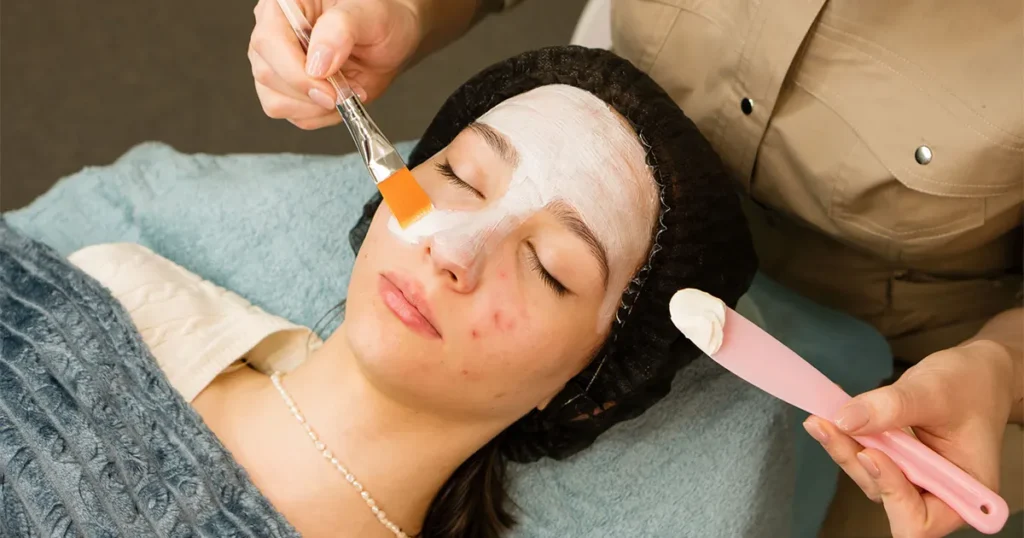
Acne is a common skin condition affecting people across a wide range of ages. While it is often associated with adolescence, adults may experience it as well. The condition appears when hair follicles become blocked by oil and dead skin cells, and this leads to blemishes. Gaining a clear understanding of how acne develops and what options exist for managing it can help individuals make informed decisions about their skin care.
What Is Acne?
Acne is a skin condition that develops when pores become clogged. Each pore connects to an oil gland that produces sebum, a substance that keeps the skin lubricated. Excess oil can combine with dead skin cells and bacteria, and the pore becomes blocked. Acne presents in several forms, and a single person may experience more than one type at the same time. The common types include:
- Whiteheads: Closed clogged pores that appear as small bumps beneath the surface of the skin.
- Blackheads: Open clogged pores that darken when exposed to air, giving them a black appearance.
- Papules: Small, raised, and often tender bumps caused by inflammation.
- Pustules: Similar to papules but filled with pus.
- Nodules: Larger, solid, and painful lumps that form deep within the skin.
- Cysts: Deep, pus-filled lesions.
Blemishes that remain near the surface may be milder, while those that develop deeper within the skin tend to be more severe. Recognizing the type of acne present can guide the selection of an appropriate management approach.
How Does It Develop?
Several factors contribute to the development of acne. A number of influences can raise the likelihood of pores clogging, and hormonal changes are a frequent contributor. During puberty, shifts in hormone levels prompt the oil glands to produce more sebum. Hormonal fluctuations can also play a role in adults. Individuals with a family history of the condition are also more likely to experience it themselves.
Beyond hormonal shifts and genetics, several other daily factors can influence the health of your skin and contribute to acne. Stress does not directly cause acne, but high stress levels may trigger inflammatory responses that worsen existing conditions. Oil-based cosmetics and hair products can also congest pores. Understanding these triggers allows you to make adjustments to your daily routine, helping you better manage and care for your skin.
How Is It Treated?
Treatment approaches for acne vary, depending on its type and severity. Mild cases may respond to over-the-counter products, and more persistent or severe cases will benefit from professional guidance. Common treatment approaches include:
- Topical Solutions: Professional-grade cleansers and creams containing active ingredients such as retinoids are formulated to help reduce pore clogging.
- Facials: Professionally administered facials can help cleanse the skin deeply, remove impurities, and reduce inflammation.
- Chemical Peels: By applying a carefully selected chemical solution to the skin, this treatment encourages the shedding of damaged outer layers.
- Light Therapy: Targeted light-based treatments offer a non-invasive option for individuals with persistent or treatment-resistant acne.
- Dermabrasion: This resurfacing procedure gently removes the outer layers of skin, making it a useful option for addressing acne-related scarring.
Working with a dermatology professional to develop a personalized plan tailored to your skin’s specific needs can lead to the most effective and lasting results.
Consult a Dermatology Expert
Acne is a manageable condition, and a range of options exists to address its various forms. A dermatology expert can evaluate the specific type and severity of acne, then recommend an approach suited to an individual’s skin. Early attention may reduce the risk of long-term effects, such as scarring. Professional guidance allows for adjustments over time as the skin changes and responds to treatment.
