


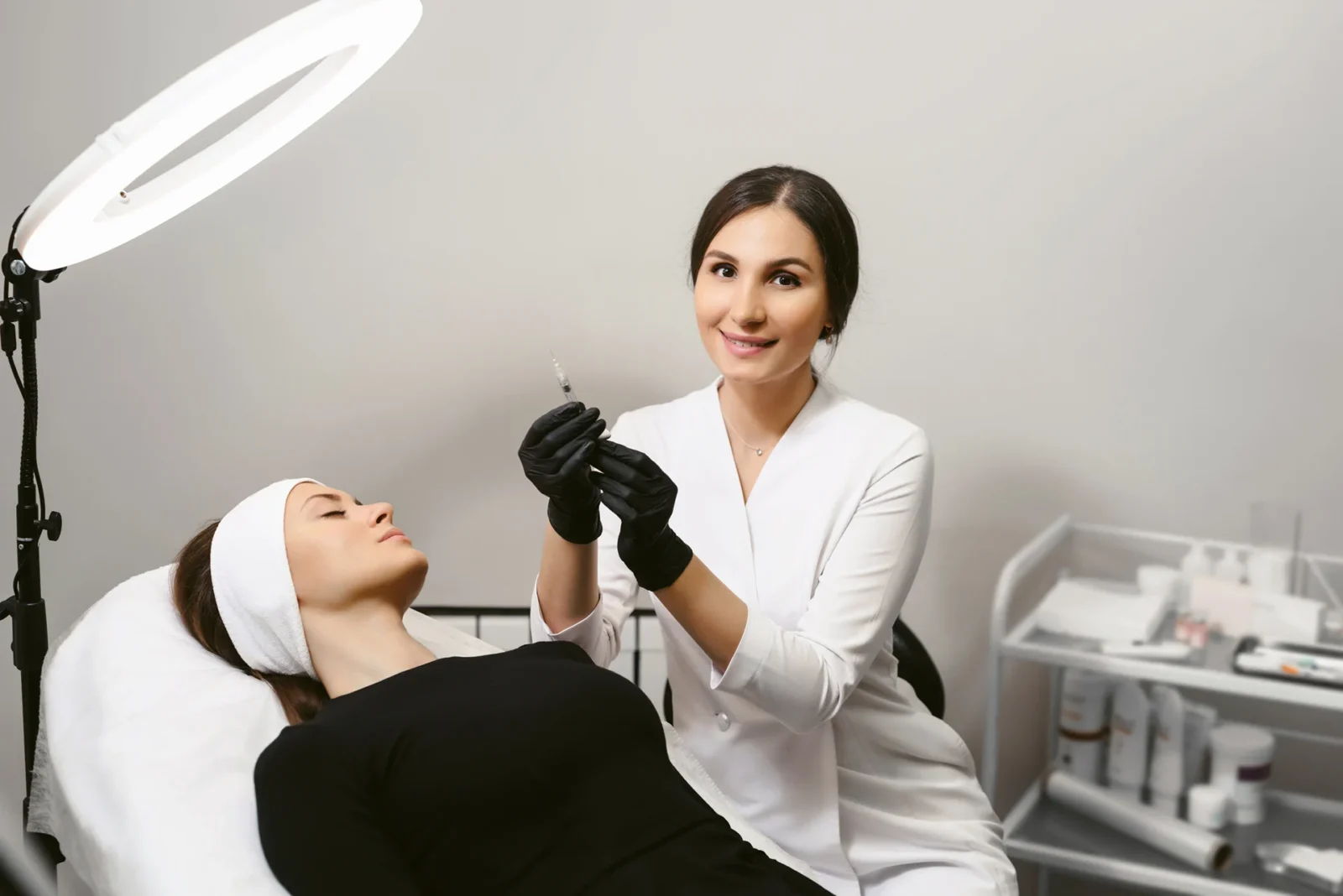
Medical spas blend clinical treatments with the comfort of a traditional spa setting, and licensed professionals deliver procedures like facials, chemical peels, and PRP therapy. By combining medical knowledge with aesthetic care, these clinics support skin health from several angles. You get treatments that address your skin, and staff who understand how it functions. Here is more information about the role of medical spas:
Personalizing Aesthetics Plans
No two faces respond to treatment in the same way. A skilled provider at a medical spa reviews your skin type, history, and goals before recommending anything. As your needs shift with age and season, plans change over time too. This flexible approach keeps your care aligned with what your skin needs now. A personalized plan often includes a few core elements:
- Skin assessment during your first visit
- Schedule of treatments spaced over weeks or months
- Product suggestions between appointments
- Follow-ups to track progress
Your provider explains each step, and you decide what feels right. When questions come up, staff walk you through the details clearly. This open exchange helps you understand every part of your plan.
Rejuvenating Skin
Medical spas offer treatments designed to refresh and renew your skin. A facial cleanses your pores, and a chemical peel removes dull surface cells. When you visit regularly, your provider tracks how your skin responds over time. This ongoing attention helps them adjust each session to match your current needs.
Some treatments target texture, while others focus on tone or firmness. Some treatments target the deeper layers of your skin. A trained technician performs the procedure using approved equipment. Since each method works differently, your provider selects the one that fits your goals.
Many guests combine several treatments across the year. You might book a peel one month and a facial the next. When these services follow a plan, they work together toward your specific aims. Your provider maps out timing so each session supports the last.
Providing Medical Oversight
Medical spas operate under the supervision of licensed physicians or nurses. This oversight separates them from standard beauty salons. Since trained professionals perform each procedure, safety stays at the center of your visit. Staff follow strict hygiene protocols with every treatment.
Before certain procedures, a provider reviews your medical background. They check for allergies, medications, and conditions that affect your skin. This screening helps them avoid complications and choose suitable methods. You receive care from people who understand both aesthetics and health.
Offering Nutritional Guidance
What you eat affects how your skin looks and feels. Many spas now include nutritional guidance as part of their care. A provider might suggest foods that support hydration and repair. Since diet shapes results, this advice complements your treatments. Nutritional suggestions include:
- Drinking water throughout the day
- Eating foods rich in vitamins
- Adding healthy fats like avocado and fish
- Limiting excess sugar and processed items
Your provider tailors these tips to your lifestyle and preferences. When you follow them alongside treatments, your routine becomes more complete. This whole-picture approach reflects the holistic focus of a medical spa.
Visit a Medical Spa
A medical spa brings together various treatments, and you gain access to trained staff who track your progress carefully. Since these clinics take a rounded view, they address more than surface concerns. Book a consultation with a licensed facility near you. A provider will review your goals and outline a plan built around your needs.
