


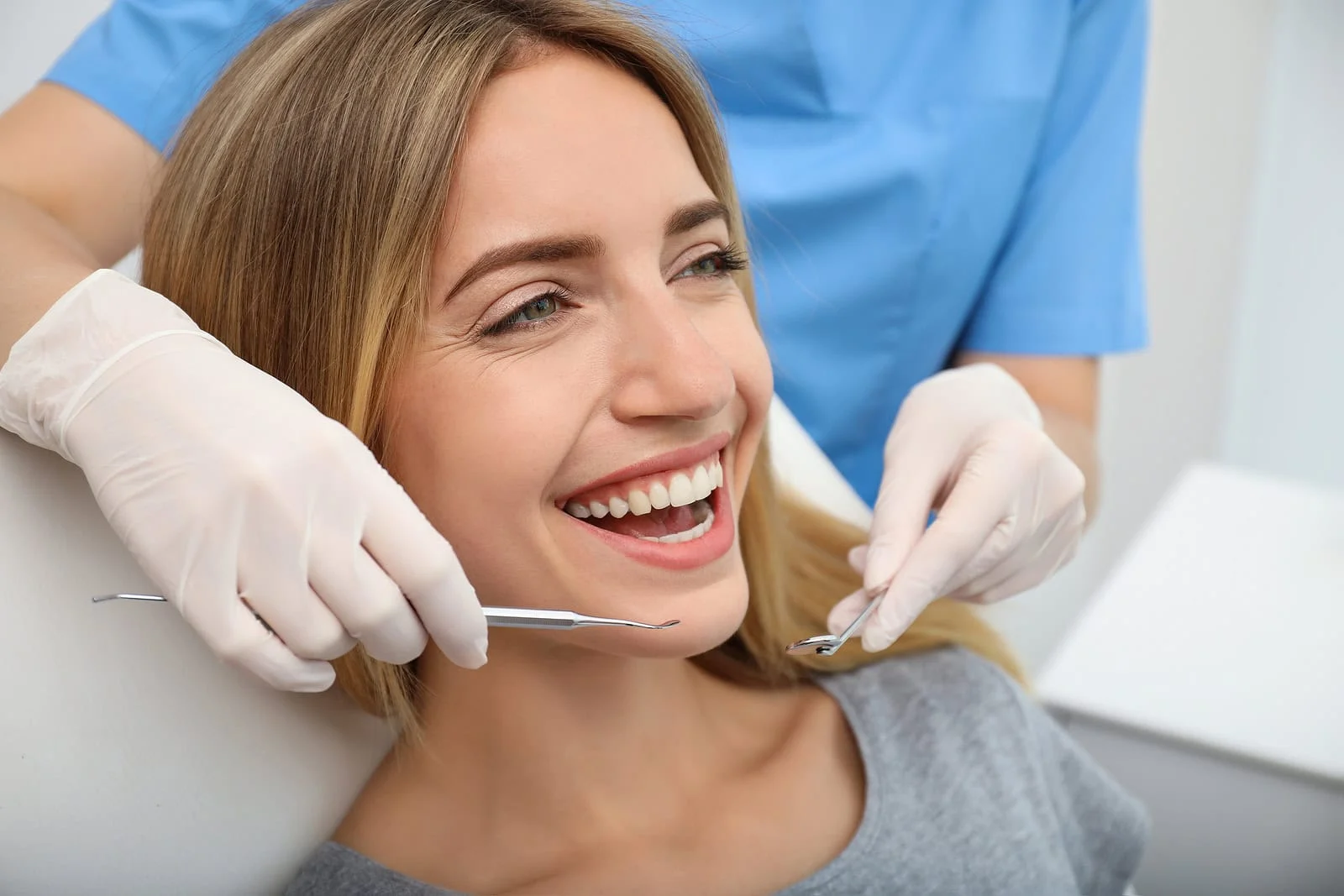
Cosmetic dentistry has advanced through digital imaging and less invasive procedures that improve the appearance of teeth and smiles. Techniques such as professional whitening, dental bonding, and computer-guided treatment planning provide more precise and natural-looking results. Here is an overview of recent advances in cosmetic dentistry techniques:
Advanced Digital Smile Design
Digital smile design uses computer software to plan changes before any treatment begins. A dentist captures images and scans of your mouth, and the software builds a digital model that shows how adjustments may look. You can view the proposed outcome on a screen, and this helps you understand the cosmetic dentistry plan before committing to it. The technology also speeds up communication between the dental team and the labs that craft restorations. Digital files travel quickly, so the people making your crowns or veneers work from precise measurements.
Improved Tooth-colored Restorations
Tooth-colored restorations replace older metal fillings and repair damage with materials that match your natural teeth. These materials have advanced in strength and appearance, and they now blend more closely with surrounding enamel. Composite resins are tooth-colored materials that dentists shape directly onto a tooth. Newer formulas resist wear more effectively, and they hold their color longer than earlier versions. A dentist can layer these resins to mimic the light-reflecting qualities of real enamel, so the repair stays subtle.
Expanded Minimally Invasive Treatments
Minimally invasive cosmetic dentistry treatments aim to preserve as much of your natural tooth structure as possible. Instead of removing large amounts of enamel, dentists use conservative methods that focus only on the areas that need attention. This shift protects healthy tissue, and it often means faster recovery and less discomfort during procedures.
Thin veneers illustrate this trend well; they require only a small amount of tooth preparation before placement. Bonding techniques have also improved, so dentists can attach materials securely without extensive drilling. These methods give people a way to refine their smiles while keeping their teeth largely intact.
Personalized Cosmetic Dental Care
Personalized care tailors treatment to your specific goals, facial features, and dental history. A dentist reviews your needs and recommends options that fit your situation. This customization draws on digital planning, better materials, and conservative techniques. Here are some key elements that may influence a personalized cosmetic dentistry approach:
- Detailed consultations: Your dentist gathers information about your goals and examines your teeth to build a plan that reflects your priorities.
- Custom shade matching: Restorations and whitening are adjusted to match or brighten your natural tooth color, so results look balanced.
- Facial harmony assessment: The shape and size of new restorations are chosen to suit your face, keeping proportions looking natural.
- Flexible treatment sequencing: Complex plans are broken into stages, which lets you address concerns in an order that works for you.
- Ongoing adjustments: Follow-up visits allow small refinements, so the final outcome stays aligned with your expectations.
Schedule Your Cosmetic Dentistry Consultation
Achieving a confident and natural-looking smile is possible with personalized cosmetic dentistry. These advances give you more ways to refine, restore, or brighten your smile with greater precision. Providers also make sure results align seamlessly with your needs and expectations by tailoring treatments to your unique features and making adjustments along the way. Contact a qualified dentist near you to schedule your cosmetic dentistry consultation today.
