


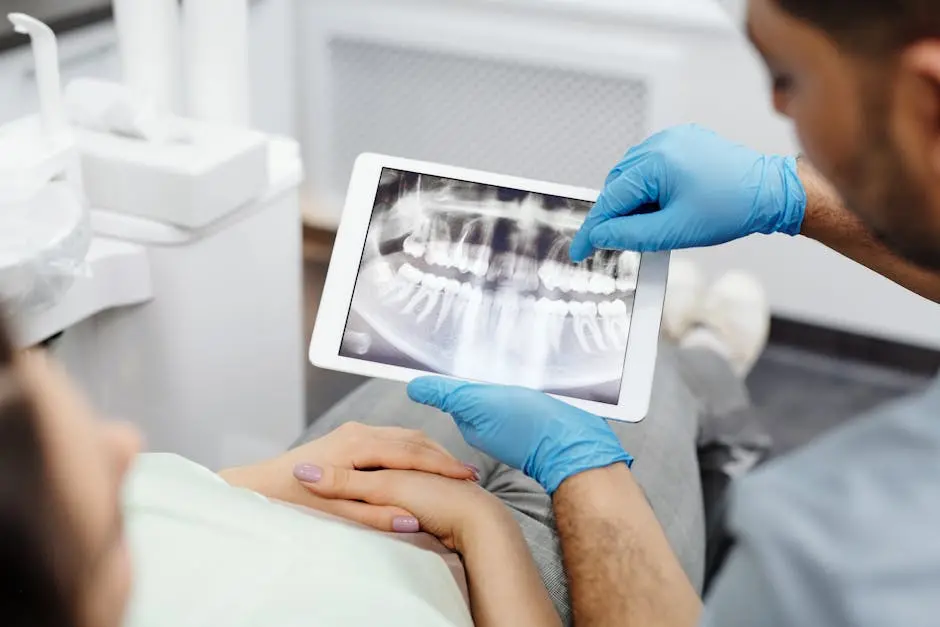
A dentist helps prevent, diagnose, and treat conditions affecting the teeth, gums, and mouth. Persistent tooth pain, bleeding gums, or changes in oral health often indicate the need for professional care. Here is more information on when to go see a dentist:
Persistent Pain or Sensitivity
Tooth pain and sensitivity are common reasons people schedule a visit with a dentist. A dull ache may become intermittent, while a sharp pain appears when you bite down or eat certain foods. If discomfort continues for more than a day or two, booking an appointment is a helpful step. A dentist can examine the affected area and identify the source. Watch for the following signs of pain or sensitivity:
- Lingering toothache: Pain that lasts more than a couple of days suggests the tooth needs professional evaluation.
- Temperature sensitivity: A sharp response to hot or cold items often points to enamel wear or other concerns.
- Pain while chewing: Discomfort when biting down may indicate a cracked tooth or a loose filling.
Concerning Oral Changes
Your gums and soft tissues offer clues about your oral health. Healthy gums usually appear firm, but changes in color, texture, or comfort require attention. If you notice swelling or bleeding when you brush, scheduling a dentist visit is a key move. Bad breath that will not go away, even after brushing, is another change worth reviewing. You may also detect a sore or a patch inside your mouth that does not heal within a few weeks. These signs are fundamental reasons to book an appointment, and a dentist can examine them closely.
Urgent Dental Problems
Accidents happen, and dental damage sometimes needs immediate care. A chipped, cracked, or knocked-out tooth calls for a quick call to your dentist. While some situations can wait a day, others require same-day attention, and your dentist’s office can advise you on the best timing. Contemplate reaching out to a dentist promptly if you experience any of the following:
- Knocked-out tooth: Keep the tooth moist and call the office immediately, as timing matters.
- Severe swelling: Facial or gum swelling may signal an issue that needs quick evaluation.
- Broken restoration: A lost filling or cracked crown can expose the tooth, so schedule a visit as soon as you can.
Preventive Dental Care
Preventive care is the foundation of long-term oral health. Regular cleanings remove buildup that brushing alone can miss, and routine exams allow a dentist to identify minor issues early. Families often schedule these visits every six months, though your dentist may suggest a different schedule based on your needs.
Preventive care also includes exams for children as their teeth grow and change. A dentist can monitor development, apply protective treatments, and share brushing tips suited to each age. Adults benefit from these visits too, and a family-focused office makes it convenient to book everyone together. This approach keeps your household’s dental health on track.
Visit a Local Dentist Today
Regular dental visits are fundamental for maintaining oral health at every stage of life. Regular appointments make sure your household’s dental needs are addressed promptly, including routine cleanings and personalized care for each family member. Steps like scheduling reminders can help you stay organized and prioritize these visits. Contact a qualified dentist in your area to schedule your appointment today.
