


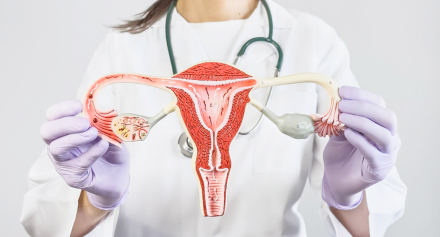
Endometriosis is a condition in which tissue similar to the lining of the uterus grows outside the uterus, most commonly in the pelvic region. It often causes pelvic pain, especially during menstruation, and may affect fertility by interfering with the normal function of the ovaries, fallopian tubes, or other reproductive organs. If you have symptoms of endometriosis or are having difficulty becoming pregnant, a fertility specialist or gynecologist will evaluate your condition and discuss treatment options. Here are a few uncommon symptoms of endometriosis and when to seek medical care:
Recognize Digestive Changes
Digestive symptoms sometimes appear before pelvic pain becomes noticeable. Bloating, nausea, constipation, diarrhea, and pain during bowel movements often resemble gastrointestinal disorders rather than endometriosis, which delays recognition of the condition. When these symptoms occur consistently around your menstrual cycle, they become a key part of the diagnostic process.
Pain during bowel movements often develops when tissue similar to the uterine lining grows on or near the area. Many women also experience recurring constipation or diarrhea that follows the same monthly pattern. Keeping a record of these symptoms over several menstrual cycles helps distinguish hormone-related changes from short-term digestive illnesses.
Once digestive symptoms begin to interfere with daily activities, it is necessary to discuss them with a fertility specialist or gynecologist. A thorough evaluation typically includes a review of your medical history, symptom patterns, and a physical examination. Imaging studies are also beneficial at this point. Although a definitive diagnosis usually requires laparoscopic surgery with tissue confirmation, recognizing these uncommon symptoms of endometriosis early helps shorten the time to diagnosis and treatment.
Monitor Fertility Changes
For some women, difficulty becoming pregnant serves as the first noticeable sign of endometriosis, even in the absence of ongoing pelvic pain. Others receive a diagnosis only after experiencing infertility or recurrent pregnancy loss. Once a fertility evaluation begins, a specialist reviews your medical history, symptoms, and test results before determining whether additional evaluation is appropriate. In some cases, BCL6 testing helps detect markers associated with inflammation in the uterine lining, which researchers have linked to endometriosis. When routine evaluations provide limited answers, this test offers additional information that supports treatment planning alongside other clinical findings.
Track Urinary Symptoms
When tissue similar to the lining of the uterus grows on or near the bladder or urinary tract, it often causes symptoms that resemble a urinary tract infection. Pain or burning during urination frequently occurs around menstruation, even when urine tests show no evidence of infection. Your healthcare provider will evaluate when such symptoms occur. They also look at your medical history before recommending additional testing. Urinary symptoms associated with endometriosis include:
- Urinary urgency: A sudden, frequent urge to urinate that becomes more noticeable during or around your menstrual period.
- Pain or burning during urination: Discomfort that occurs without a urinary tract infection, particularly when symptoms follow a monthly pattern.
- Blood in the urine: Blood in the urine during menstruation warrants prompt medical evaluation, especially when it occurs repeatedly or alongside other symptoms of endometriosis.
- Bladder or pelvic pressure: Persistent pressure, pain, or discomfort in the bladder or lower pelvis that worsens during the menstrual cycle.
Discuss Advanced Testing
When symptoms persist without a clear explanation, further evaluation helps determine whether endometriosis or another condition is responsible. An endometrial biopsy involves collecting a small sample of tissue from the lining of the uterus during an office visit. Depending on your symptoms, your healthcare provider may also recommend imaging studies. They also offer laparoscopic surgery to evaluate suspected endometriosis more directly.
After diagnostic testing is complete, follow-up appointments focus on reviewing the results and discussing the most appropriate next steps. Some women move forward with additional imaging; others receive referrals for minimally invasive surgery, pain management, or fertility treatment. Your care plan is then tailored to the severity of your symptoms and your response to previous treatments.
Learn More About Uncommon Symptoms of Endometriosis
Recognizing less common symptoms of endometriosis helps identify the condition earlier. Digestive, urinary, fertility, and pain-related symptoms often follow a recurring monthly pattern. Early evaluation helps determine whether endometriosis or another condition is causing your symptoms. A timely diagnosis also supports effective treatment and protects your reproductive health and quality of life. Schedule an appointment with a fertility specialist today to discuss your symptoms and explore the next steps.
