


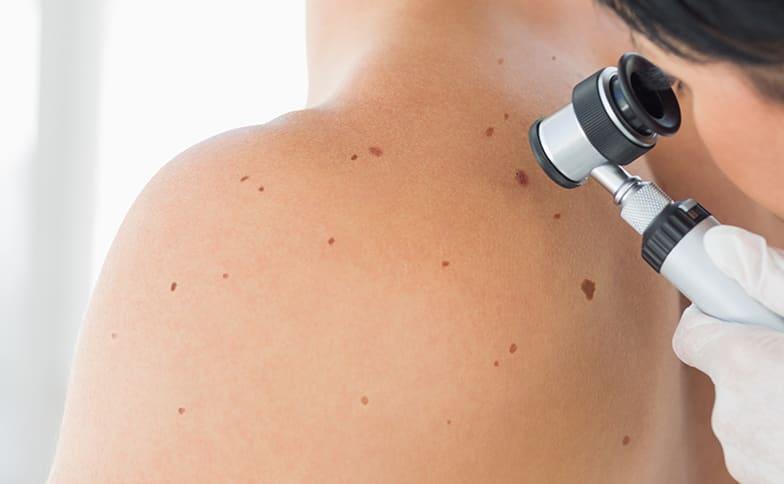
Skin cancer may develop without causing noticeable symptoms in its early stages. Regular screenings allow healthcare professionals to examine suspicious moles, lesions, and other skin changes that require further evaluation. Here is a closer look at the role of regular skin cancer screenings:
Identifying Risk Factors
A skin cancer screening often begins with a review of your background; this step helps a clinician understand your individual risk level. Here are common factors that increase your risk:
- Fair skin, light hair, or light eyes offer less natural protection from ultraviolet light.
- A history of sunburns or tanning bed use increases cumulative exposure.
- A family history of cancer may point to inherited risk.
- A large number of moles gives clinicians more areas to monitor
Reviewing these factors helps you and your provider decide on an appropriate screening schedule.
Detecting Suspicious Skin Changes
During a skin cancer screening, a clinician examines your skin from head to toe; this process helps detect changes you may miss on your own. Some spots look harmless, yet subtle changes in color, size, or shape can signal a need for closer study. Trained eyes often pick details that are difficult to see without practice or proper lighting.
Providers use the ABCDE guide to describe warning signs, and this framework makes suspicious changes easier to understand. A mole with uneven halves, ragged edges, or more than one color requires a second look. A clinician may also use a handheld tool called a dermatoscope, which magnifies the skin and reveals patterns below the surface. Self-checks between appointments also support this work. When you notice a new or changing area, you can report it during your next visit.
Diagnosing Cancer Early
Regular screenings create a timeline of your skin, and that record helps clinicians identify changes sooner. An area that changes between visits stands out more clearly when a provider has earlier notes to compare. This consistent tracking is one reason routine appointments are valuable.
When a clinician finds a suspicious area, they may recommend a biopsy, which involves removing a small sample of skin for lab analysis. The lab examines the cells and confirms whether they are cancerous, so you receive a clear answer. Detecting skin cancer early often means a smaller area to examine and fewer unknowns to manage.
Improving Treatment Outcomes
Early diagnosis tends to connect with a wider range of care options; this link makes routine screenings a helpful habit. When a provider identifies changes early, treatment discussions can begin sooner. A prompt start often gives you more approaches to review with your care team. Screenings also support continued monitoring after treatment, so your provider can track how your skin responds over time. Follow-up visits help confirm that a treated area heals as expected, and they allow quick action if new concerns appear.
Book Your Skin Cancer Appointment
Regular screenings help you identify personal risk factors, detect suspicious changes, and support earlier diagnosis. They also create a record that guides monitoring and connects to your broader care plan. Contact a qualified dermatologist near you to book your skin cancer appointment today.
