


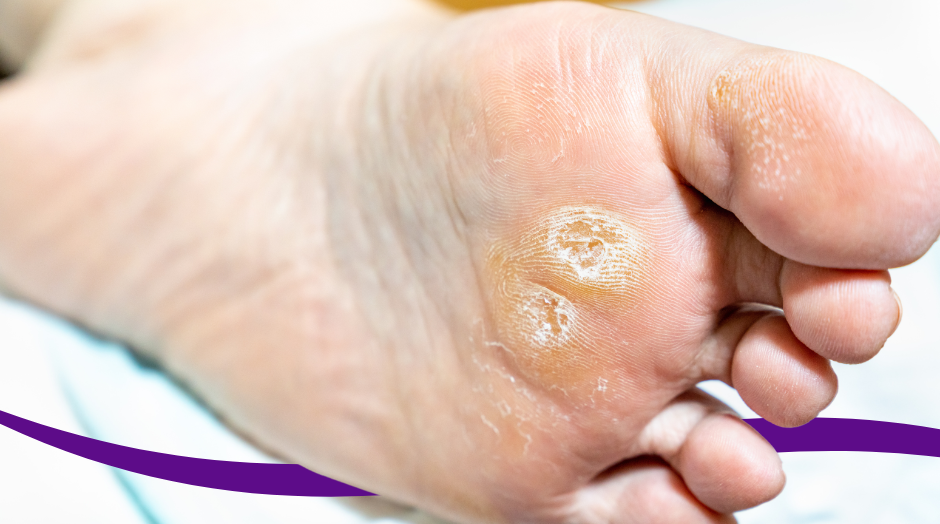
Plantar warts are benign lesions on the sole of the foot. These lesions develop when the human papillomavirus (HPV) infects the outer layer of the epidermis. The transmission of HPV is closely linked to foot hygiene practices, and infection rates depend on the integrity of the skin barrier. Since excess moisture softens the skin barrier, the virus can more easily penetrate the epidermis through minor abrasions. Preventing infection requires a clear understanding of dermal hygiene, which a podiatrist helps provide.
What Are Warts?
Foot warts, also called plantar warts, are small, rough growths that develop on the soles of the feet. They are caused by the human papillomavirus (HPV), which enters the skin through tiny cuts or breaks in the surface. Plantar warts appear alone or in clusters, and they may cause discomfort when walking or standing. Left untreated, they have the potential to spread to other areas of the foot or to other people.
HPV thrives in warm, moist environments, making certain locations common sites of transmission. These include:
- Public swimming pools
- Locker rooms
- Shared showers
- Communal bathing areas
Direct contact with contaminated surfaces is the primary way the virus spreads.
What Is Foot Hygiene?
Foot hygiene refers to the routine practices that keep the feet clean, dry, and free from infection; this includes washing the feet daily with soap and water, drying thoroughly between the toes, and wearing clean socks and well-fitting footwear. Trimming toenails regularly and moisturizing dry or cracked skin are also part of a complete foot care routine. Poor foot hygiene creates conditions that make the skin more vulnerable to infections, which can increase the likelihood of complications. Cracked heels, excessive moisture, and accumulated dead skin all compromise the skin barrier.
How Are They Connected?
The skin acts as the body’s primary defense against pathogens like HPV. When foot hygiene is neglected, the integrity of this barrier weakens, and this structural compromise gives viruses an easy point of entry. Damp skin is susceptible to viral penetration because prolonged moisture softens the protective epidermal layer.
Walking barefoot in communal areas increases the risk of viral exposure. Individuals should wear protective footwear in locker rooms, or they can use public pools with caution to limit direct contact with contaminated surfaces. Implementing consistent hygiene practices, which include changing socks daily and disinfecting shared footwear, helps reduce the likelihood of HPV transmission.
Proper hygiene prevents the spread of existing viral lesions. If an individual touches an active wart, they can transfer the virus to other areas of the foot. Patients benefit from keeping the affected area clean and covered, and they should avoid picking at the lesions to limit further self-inoculation.
How Is Professional Guidance Beneficial?
A podiatrist can diagnose plantar warts, which are sometimes mistaken for corns, calluses, or other skin conditions. Misidentification leads to ineffective treatment. Each condition requires a distinct treatment approach, and a professional assessment provides information on the nature of the growth and the most appropriate course of action.
A podiatrist may offer targeted hygiene advice specific to each patient’s lifestyle and foot condition. This guidance may include footwear recommendations or specific cleaning techniques, and patients who follow this advice are better positioned to prevent future infections. Consistent professional guidance, which helps identify potential foot problems early, supports long-term foot health.
Consult a Podiatrist Today
Foot warts are a direct result of HPV entering vulnerable or poorly maintained skin. Good foot hygiene reduces this vulnerability, and it preserves the skin barrier to limit exposure to the virus. When warts do develop, a podiatrist can confirm the diagnosis and provide guidance to prevent recurrence.
