


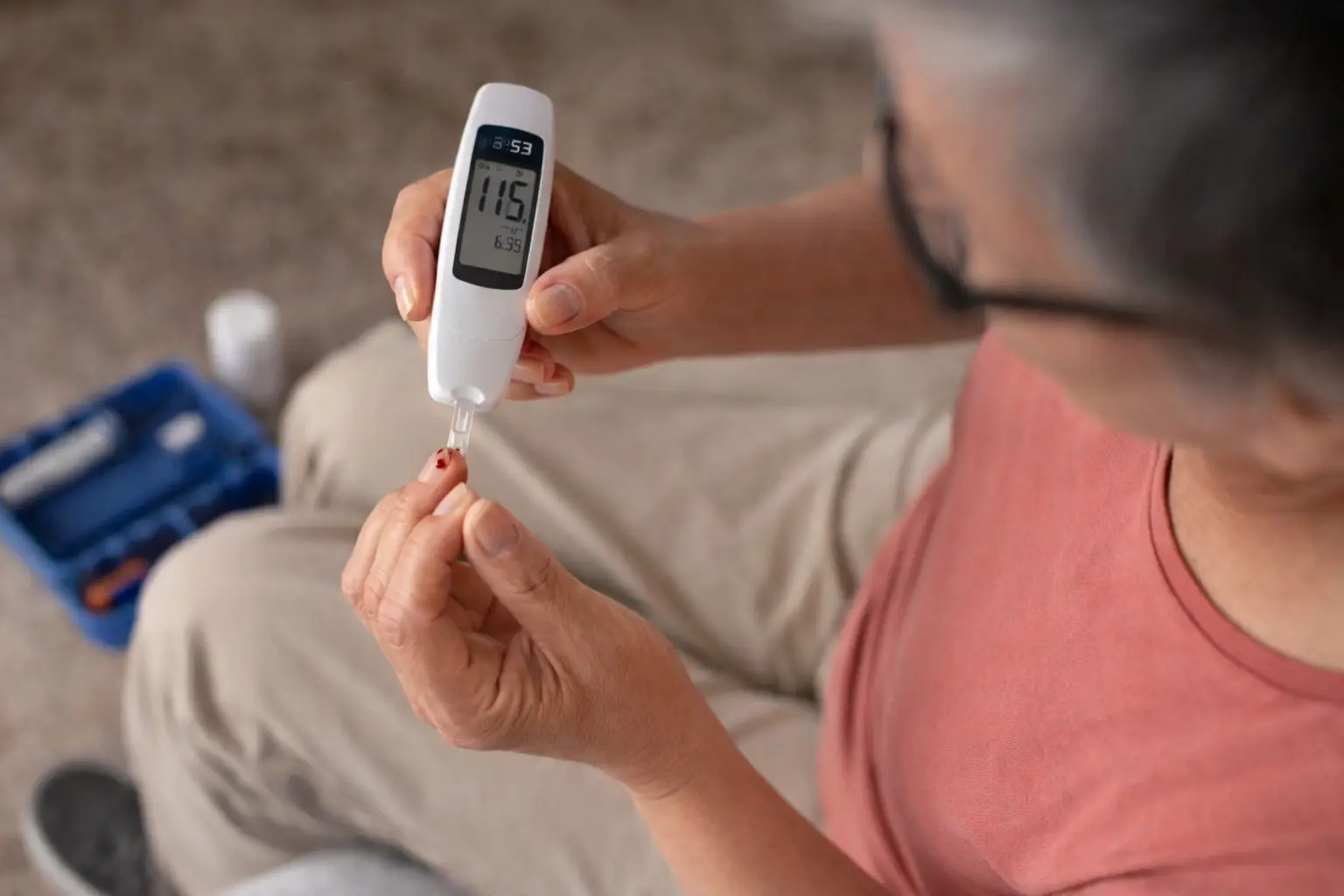
Diabetes is a chronic condition that affects how the body turns food into energy, and it develops when the body cannot make enough insulin or cannot use insulin properly. Insulin is a hormone produced by the pancreas that helps glucose move from the bloodstream into cells. When this process breaks down, glucose builds up in the blood. Type 1 diabetes occurs because the immune system attacks the cells that make insulin, while type 2 diabetes develops when the body becomes resistant to insulin over time. Genetics, weight, physical activity levels, and age can all influence the risk of developing the condition.
What Are the Symptoms?
The symptoms of diabetes can appear gradually or suddenly, and they often vary depending on the type. Common symptoms of diabetes include:
- Increased thirst
- Frequent urination
- Unexplained weight loss
- Ongoing fatigue that does not improve with rest
- Blurred vision
- Slow-healing sores
What Is an Insulin Pump?
An insulin pump is a small, computerized device that delivers insulin throughout the day. Because it provides insulin steadily, it can reduce the number of injections a person needs. The device connects to the body through a thin tube and a small catheter placed under the skin.
Some pumps store data that a healthcare provider can review during appointments. Users program the pump to release specific amounts of insulin at set times, and they can also deliver doses around meals. This flexibility allows for adjustments based on:
- Activity levels
- Food intake
- Glucose readings
What Is a CGM?
A continuous glucose monitor is often called a CGM, and it tracks glucose levels throughout the day and night. A small sensor that sits just under the skin measures glucose in the fluid between cells. The sensor sends readings to a receiver or a smartphone app. Because a CGM records data at regular intervals, it can show trends that a single finger-stick test sometimes misses. Users can see whether their glucose is rising or falling, which helps them make timely decisions about food, activity, and medication.
What Are Medications for Diabetes?
Medications for diabetes fall into several categories, and each works in a different way to manage blood glucose. Metformin is a commonly prescribed oral medication that helps the body respond better to insulin. Providers may use it early on in the treatment of type 2 diabetes.
Injectable medications, including various forms of insulin, replace or supplement the hormone the body cannot produce in sufficient amounts.Some newer injectable options, such as GLP-1 agonists, help regulate glucose, and they may also affect appetite and digestion.Providers select these based on individual needs and health history.
Other oral medications work by prompting the pancreas to release more insulin, or they help the kidneys remove excess glucose. Combination approaches are common because different medications address different aspects of glucose control. A healthcare provider determines the appropriate plan through testing and ongoing monitoring.
Learn More About Diabetes Treatment
Diabetes develops when the body cannot produce or use insulin effectively. You should see a doctor if you notice ongoing symptoms such as excessive thirst, frequent urination, or unexplained weight loss. A healthcare provider can order tests, and they will explain which options are most likely to fit your situation. For more information about diagnosis and treatment of diabetes, consult a healthcare provider near you.
