

Vein treatments include VenaSeal™, sclerotherapy, ClosureFast™, and ambulatory phlebectomy; these procedures address a range of venous conditions, from cosmetic spider veins to medically significant varicose veins. While these procedures can be effective on their own, lifestyle changes play a valuable role in long-term outcomes. Understanding what treatment involves, the options available, and what to do after treatment helps patients get the most from their care.
What Is Vein Treatment?
Vein treatment refers to a range of medical procedures that target damaged, diseased, or dysfunctional veins. These procedures are designed to close off or remove problem veins, and blood flow is subsequently redirected to healthier vessels. As the body heals, it gradually absorbs or bypasses the treated vein, thereby reducing visible symptoms and preventing further complications.
A vascular specialist performs vein treatment, and some procedures are minimally invasive. Recovery varies. While the type of procedure determines recovery length, some patients can resume normal activity within days. This makes vein treatment a practical option for those managing venous conditions.
What Are the Different Types?
Several treatment options are available, each suited to different vein conditions and patient needs.
- VenaSeal™ uses a medical-grade adhesive to seal the walls of a diseased vein shut.
- Sclerotherapy involves injecting a chemical solution directly into the vein, causing it to collapse and fade.
- ClosureFast™ uses radiofrequency energy delivered through a catheter to heat and close the vein wall.
- Ambulatory phlebectomy physically removes surface varicose veins through small punctures in the skin.
A vein specialist will recommend the most appropriate option based on the size, location, and severity of the vein condition.
Why Are They Conducted?
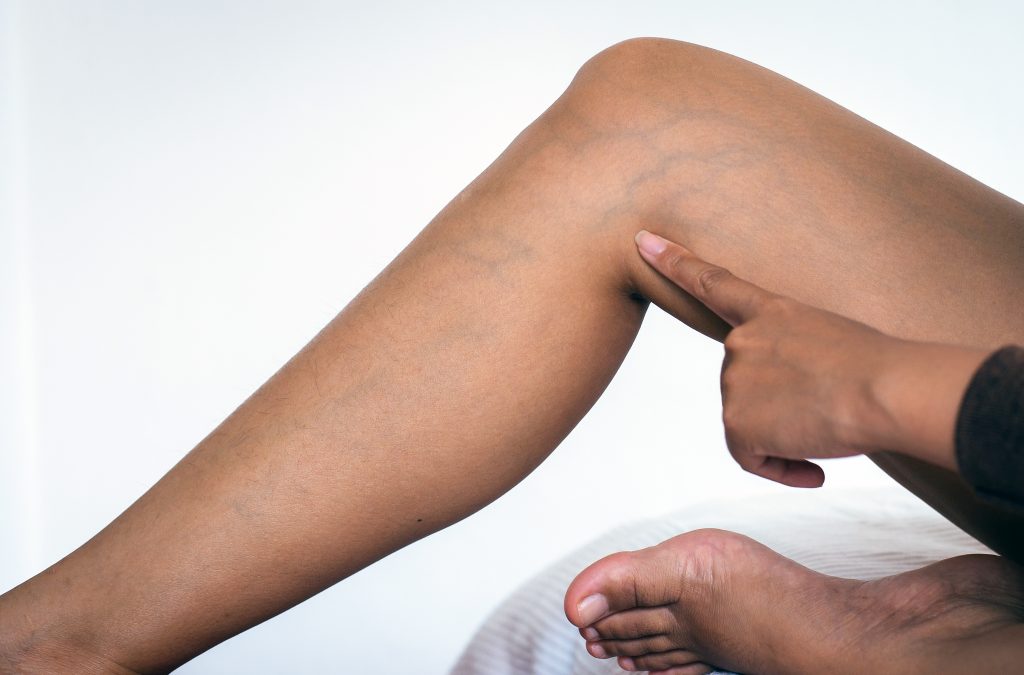
Vein treatments are performed to address venous insufficiency, a condition in which veins fail to return blood efficiently to the heart. Damaged or weakened vein valves allow blood to pool. This leads to swelling, discomfort, skin changes, and visible vein abnormalities. Left untreated, venous insufficiency can progress to more serious complications. Early treatment may yield better outcomes, and it helps reduce the likelihood of the condition worsening.
What Lifestyle Changes Enhance Treatment?
Lifestyle plays a role in how well vein treatments perform and how long results last. Veins are under constant pressure from gravity, body weight, and physical activity; targeted changes reduce that pressure while supporting the healing process. Regular walking promotes healthy circulation by activating the calf muscle pump, which helps push blood upward through the veins. Swimming and cycling are particularly effective because they engage the legs without placing excessive stress on the veins.
Compression stockings apply graduated pressure to the legs; this helps improve blood flow and reduce swelling. Ongoing use benefits some patients, as consistent use helps maintain venous health over time. Excess body weight increases pressure on the veins in the legs. This can accelerate venous insufficiency and reduce the effectiveness of treatment. A balanced diet rich in fiber, antioxidants, and flavonoids supports overall vascular health.
Avoid prolonged sitting or standing. Staying in one position for long periods causes blood to pool in the lower limbs, which increases venous pressure. Taking short breaks to walk or stretch keeps circulation moving. Elevating the legs when resting reduces venous pressure, and it can ease discomfort during recovery.
Make Lifestyle Changes Today
Vein treatment is a clinically proven way to address venous insufficiency and related conditions. The procedures available are effective, but their results are better maintained with consistent lifestyle changes. Movement, compression, weight management, and dietary choices all contribute to lasting vascular health. If you have a vein issue, speak with a specialist to develop a treatment and lifestyle plan.
