


An orthopedic surgeon diagnoses and treats conditions affecting the musculoskeletal system, which includes bones, joints, ligaments, tendons, muscles, and nerves. Complex cases involve multiple structures or conditions that require detailed evaluation. These surgeons use specialized training, diagnostic methods, and coordinated care to address these conditions. Treatment plans depend on the specific problem, the affected structures, and the goals of care.
Evaluating Complex Cases
Diagnosis begins with an examination of the affected area. An orthopedic surgeon reviews symptoms, performs physical evaluations, and uses imaging when needed to understand the condition. Complex cases require careful assessment because injuries and disorders can involve different parts of the musculoskeletal system. The surgeon identifies the source of the problem, and this information guides the next steps in treatment planning.
Conditions involving bones, joints, muscles, tendons, ligaments, and nerves require specialized care. Some cases require advanced knowledge because they affect multiple areas simultaneously. A detailed evaluation helps the surgeon determine which treatment options match the diagnosis and the condition.
Applying Orthopedic Expertise
An orthopedic surgeon may focus on a specific area of care through subspecialty training. These areas include trauma, spine, oncology, sports medicine, hand surgery, shoulder and elbow surgery, foot and ankle care, pediatric orthopedics and adult reconstruction. Each specialty addresses different types of musculoskeletal conditions, and focused training supports treatment for complex problems.
Surgeons with oncology training treat bone and soft tissue tumors, and they work with other specialists during care. Joint reconstruction specialists manage procedures such as joint replacement and revision surgery. These areas of expertise allow surgeons to address conditions that require advanced planning and specialized techniques.
Managing Treatment Options
Treatment does not always involve surgery. Care may begin with nonsurgical methods, and these approaches focus on improving function and managing symptoms. Options include physical therapy, medication, and biologic therapies. When nonsurgical care does not address the condition, surgery becomes another treatment option.
Surgical decisions depend on the diagnosis and the structures involved. An orthopedic surgeon reviews available procedures and selects an approach based on the needs of the case. This process allows treatment plans to match each condition rather than follow a single method.
Using Surgical Techniques
Orthopedic surgeons use different techniques to manage complex cases. Minimally invasive procedures limit the size of surgical openings, and arthroscopic surgery uses a small camera to view and treat joint problems. Robotic-assisted surgery supports certain procedures, while microvascular techniques address nerve and muscle repairs.
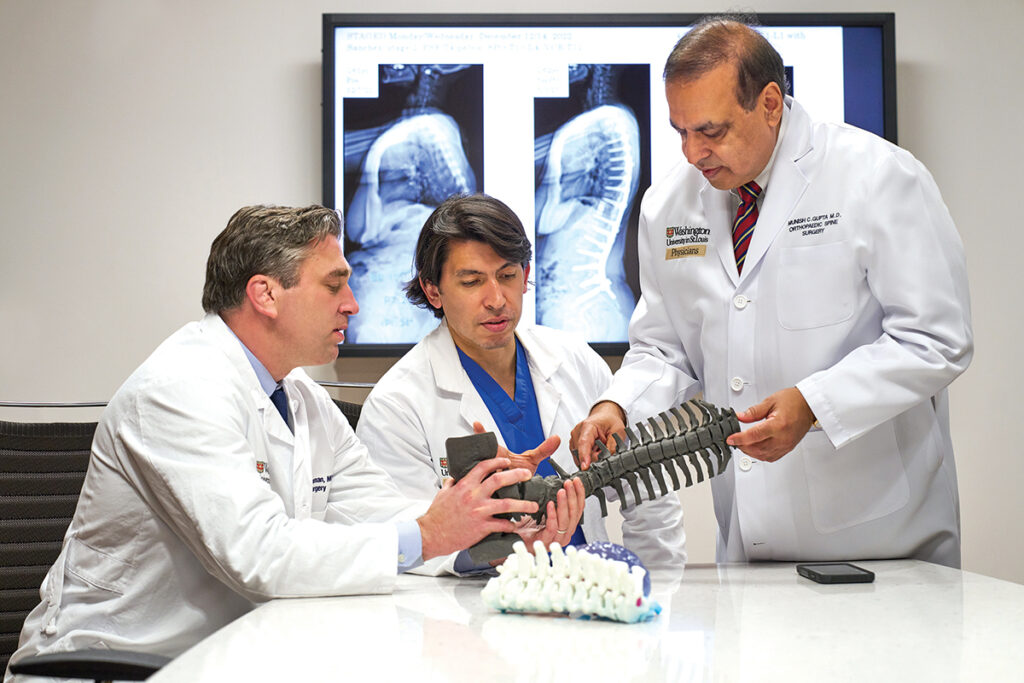
Some surgeons use point-of-care 3D printing to create models of bones and tumors within bones. These models help surgeons plan procedures before surgery begins. Advanced techniques give surgeons additional tools, and each method serves a specific purpose based on the condition being treated.
Coordinating Recovery Care
Complex cases often involve collaboration among multiple health care professionals. An orthopedic surgeon works with specialists in areas such as radiology, internal medicine and rehabilitation when needed. This teamwork supports care before and after procedures, and it helps connect treatment steps throughout recovery.
Rehabilitation follows many orthopedic procedures because it supports the return of movement and function. A structured recovery plan combines medical care, therapy and follow-up evaluations. The surgeon monitors progress, and adjustments are made based on the patient’s condition.
Schedule an Orthopedic Surgeon Evaluation
Complex musculoskeletal conditions require detailed evaluation and specialized treatment planning. An orthopedic surgeon assesses the condition, reviews available options and develops a care approach based on the diagnosis. Schedule an evaluation with an orthopedic surgery provider to discuss symptoms and treatment options.
