


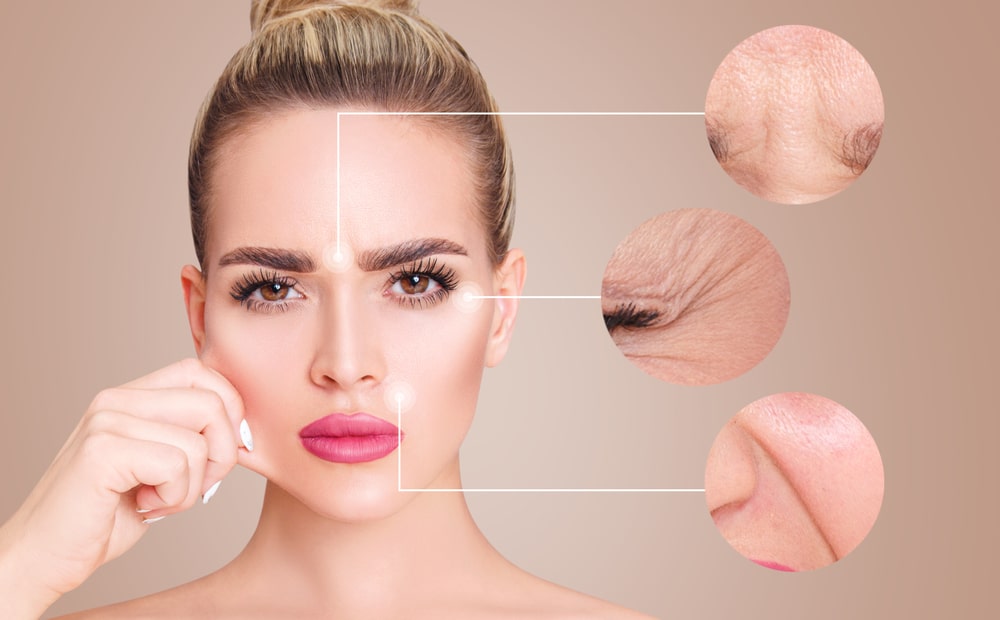
Anti-aging treatments can address concerns such as fine lines, volume loss, uneven skin tone, and changes in skin texture. Individuals can choose treatments that align with their goals, skin needs, and lifestyle, with options ranging from professional skincare and injectables to laser-based procedures. Here is an overview of the benefits of anti-aging treatments:
Identifying Skin Concerns
Before you choose anti-aging treatments, you need to identify what you want to address. Some people notice fine lines around the eyes, while others focus on dullness, sunspots, or reduced firmness across the cheeks and jawline. A clear assessment of your skin gives you a starting point and helps your provider recommend suitable options. Here are common concerns that can guide your assessment:
- Fine lines and wrinkles: These appear as skin loses volume and elasticity, and they often show first around the eyes and mouth.
- Uneven tone: Sun exposure and time can create dark spots or patchy areas that affect overall clarity.
- Loss of firmness: Skin may feel less taut, which changes contour along the cheeks and jaw.
- Rough texture: Dead cells and reduced cell turnover can leave the surface feeling uneven.
Once you map your specific concerns, you can match them to treatments that address each one.
Exploring Non-Surgical Options
Non-surgical anti-aging treatments offer ways to address signs of aging without a lengthy recovery period. These procedures vary in intensity, and providers often offer them in a series of short sessions. Injectable treatments, applied by trained providers, can soften the look of lines or restore volume in select areas. Each method works differently, so a provider will explain what aligns with your concerns. Timing matters with these treatments, and you may need several sessions before you notice changes. Some options pair well, though a provider will map a sequence to avoid overlap.
Supporting Results With Skin Care
In-office anti-aging treatments deliver stronger effects when you support them with a regular routine. Consistent care protects your skin and helps maintain improvements between appointments. Here are a few core steps of a skin care routine:
- Cleanse: Remove dirt and buildup twice a day to keep pores clear and skin fresh.
- Moisturize: Apply a hydrating product to support the skin barrier and keep the surface smooth.
- Protect: Use broad-spectrum sunscreen each morning, and reapply it during long stretches outdoors.
- Treat: Add targeted serums to address specific concerns.
These steps form a foundation that supports professional treatments and helps you maintain a smooth and even appearance.
Choosing Personalized Treatments
Safety depends on the provider you select, and a qualified professional will review your health history before recommending anti-aging treatments. Ask about their training, the equipment they use, and the outcomes they observe in clients with concerns like yours. A clear conversation sets expectations, and it helps you understand what each treatment can and cannot do. Personalization also influences your results, and no single plan suits everyone. A provider should tailor treatments to your skin type, concerns, and daily habits, and then adjust the plan as your skin responds.
Explore Anti-Aging Treatments Today
Anti-aging procedures range from daily habits to in-office procedures, each addressing a specific concern. Creating a skincare plan tailored to your unique skin type, concerns, and lifestyle makes sure your routine evolves with you over time. Contact a qualified provider near you to book your consultation and explore anti-aging treatments today.
