


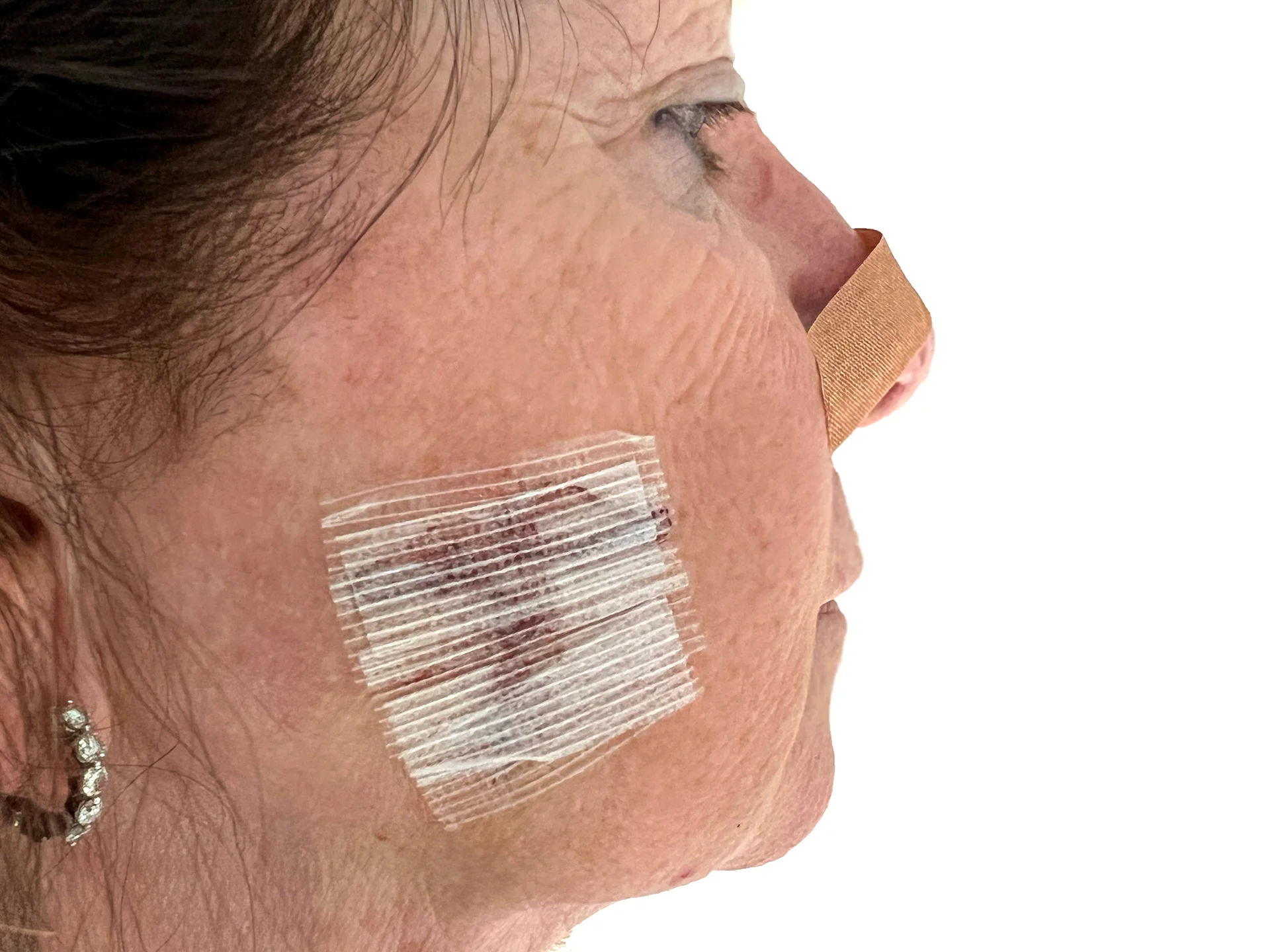
Mohs surgery treats certain types of skin cancer, yet misconceptions about the procedure remain common. The treatment removes cancer in thin layers. A surgeon examines each layer under a microscope, and the process continues until no cancer cells remain, which helps preserve healthy tissue. The procedure also takes place in an outpatient setting rather than a hospital.
Understanding Mohs Surgery
The amount of tissue removed causes confusion for some patients. Mohs surgery does not remove large amounts of tissue at one time. The surgeon removes the visible tumor with a thin layer of surrounding tissue. The tissue receives immediate microscopic examination before any more tissue is removed. If cancer cells remain along the edges, the surgeon removes another thin layer, which repeats only where cancer cells remain until microscopic examination confirms that no cancer cells remain at the margins.
Comparing Margin Evaluation
Margin evaluation distinguishes Mohs surgery from standard excision. The two procedures do not examine tissue in the same way. Mohs surgery examines 100% of the deep and side margins, while standard excision checks only a small sample of the margins. This approach preserves more healthy tissue because it focuses treatment on areas that still contain cancer cells. The surgeon evaluates each layer before deciding whether additional tissue requires removal.
Reviewing Treatment Facts
The range of conditions treated also creates confusion. Mohs surgery treats basal cell carcinoma and squamous cell carcinoma. It also treats selected melanoma cases when a physician determines the approach fits the diagnosis, and it preserves healthy tissue, which makes the procedure useful for cancers on the face, scalp, ears, hands, feet, and genital areas.
Questions about anesthesia also arise. The procedure uses a local anesthetic. Patients remain awake throughout treatment. Total appointment varies because additional tissue removal depends on the microscopic findings. Some visits last only a few hours, while others take most of the day.
Understanding Recovery
Recovery takes longer than some people expect. Scars continue to mature for 12 to 18 months. Healing varies because wound size and treatment location differ from one person to another. The scar changes throughout that period.
Possible risks also deserve attention. Every procedure carries potential complications. Surgery has a low risk of bleeding, infection, poor wound healing, scar formation, nerve changes, and cancer recurrence, and a physician reviews these possibilities before treatment so each patient understands what to expect. Cure rates remain high for appropriate cases because the layer-by-layer technique confirms that cancer cells no longer remain before the procedure ends.
Discuss Your Options
Surgery removes skin cancer one layer at a time while preserving as much healthy tissue as possible. Each layer receives immediate microscopic examination, and the procedure continues until no cancer cells remain, which sets it apart from many other surgical approaches.
A dermatologist evaluates the location and type of skin cancer before recommending treatment. The discussion also covers the procedure, recovery, and possible risks, so patients understand what to expect. Schedule an appointment to learn whether Mohs surgery fits your diagnosis and treatment needs.
