


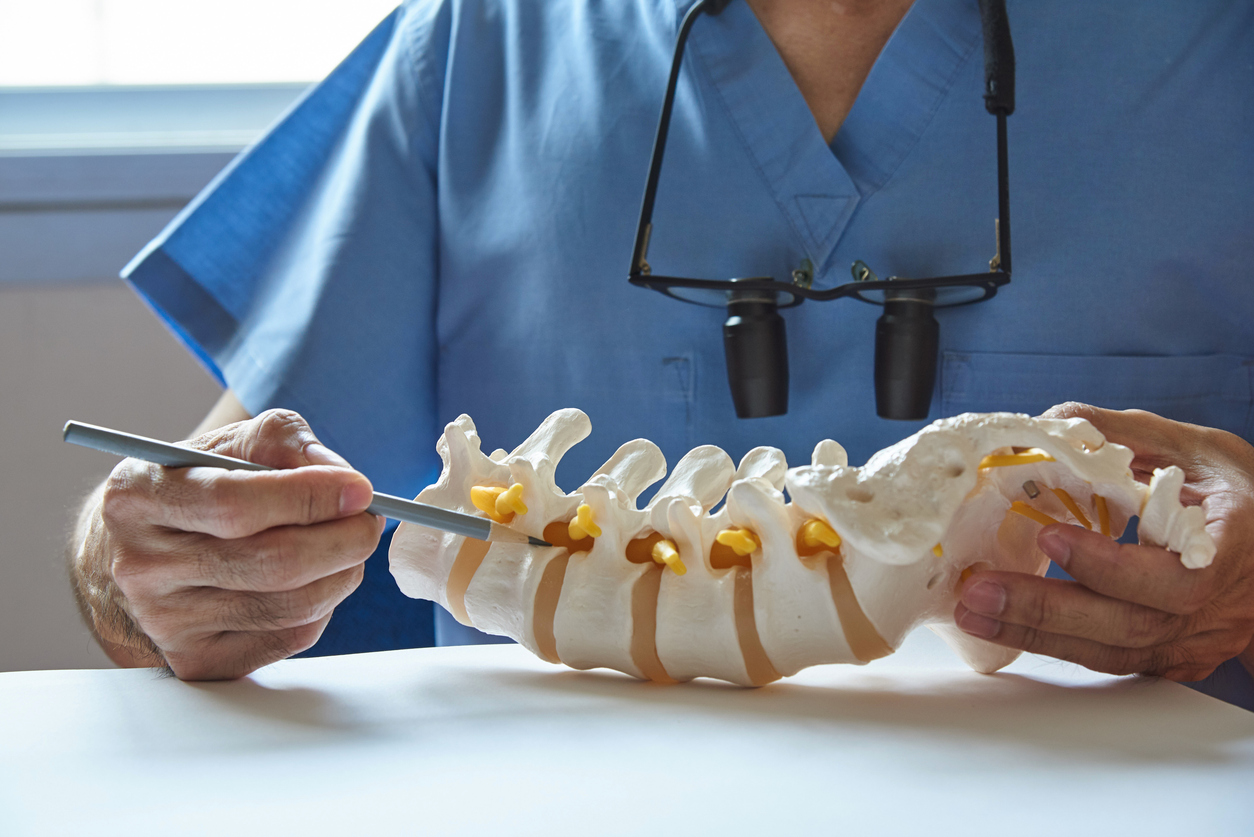
Complex spine conditions demand careful decisions. You need an orthopedic spine surgeon who understands your full situation, and the right choice shapes your recovery. When symptoms disrupt daily life, you deserve guidance that uses every option; surgery should never be the automatic first step.
Surgeon Experience and Care
Experience matters when your case involves multiple levels or nerve compression. A skilled orthopedic spine surgeon reviews imaging carefully, which shapes a diagnosis. Complex cases may require decompression procedures like discectomy, laminectomy, or foraminotomy, and these demand precision gained through practice. Review their training too. Check whether your surgeon performs both decompression and fusion procedures, as complex cases may require both in a single operation. Ask about complication rates and revision surgery experience, since a provider who handles difficult outcomes understands the full scope of spinal care.
Treatment Approach and Philosophy
Approach reveals how a surgeon views your care. The right provider treats you as a person, not just a diagnosis. A whole-person philosophy prioritizes conservative treatment before any operation, and many patients avoid surgery entirely when this approach is followed. When surgery is warranted, the reasoning should be transparent. A thoughtful provider will typically begin with:
- Lifestyle and activity changes to reduce strain on the spine.
- Physical therapy to strengthen supporting muscles and improve function.
- Pain management to help you stay active during recovery.
Ask how the surgeon balances nonoperative options with surgical ones, and expect clear answers at every step. Communication style matters. You should ask questions, and your surgeon should answer them in plain language without rushing. Ask whether the surgeon coordinates care with physical therapists, pain management specialists, or other providers, because integrated care supports more complete recovery.
Procedures That Match Your Condition
Procedures should match your condition and its location. Different spinal regions call for different techniques. For neck problems, options include ACDF and cervical disc replacement, and each serves distinct goals. ACDF removes a damaged disc and fuses the space; disc replacement preserves motion with an artificial implant. Posterior neck procedures include foraminotomy, laminoplasty, and laminectomy, and these relieve pressure through a back approach. For the lower back, fusion techniques such as ALIF, LLIF, PLIF, and TLIF stabilize vertebrae, and SI joint fusion addresses pain in that specific area.
Thoracic conditions call for their own solutions. Kyphoplasty treats compression fractures, and thoracic discectomy, laminectomy, or fusion may be recommended when the mid-spine is affected. Confirm your surgeon performs the procedure you need. Understanding why a specific procedure is recommended helps you make an informed decision. Ask your surgeon to explain the approach, expected recovery timeline, and alternatives, since complex cases sometimes have more than one path. A provider who walks through your options builds trust, and this clarity helps you be prepared.
Book an Orthopedic Spine Surgeon
Start by scheduling a consultation, and bring your imaging and medical history. The right surgeon combines experience, a conservative-first philosophy, and the specific procedures your condition requires. Ask direct questions about treatment options, and expect clear answers that respect your goals. When a provider explores nonsurgical care first, you gain a partner in your recovery. Reach out today to begin planning care built around your needs.
