


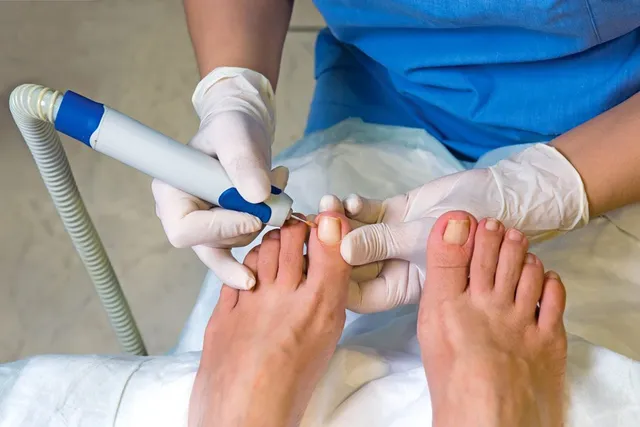
Ingrown toenail surgery is a procedure that removes part or all of a toenail when it grows into the surrounding skin. A foot care specialist performs the treatment to relieve pain, reduce swelling, and address recurring problems. Depending on the severity of the condition, a surgeon may trim only the affected edge of the nail or remove a wider section along with part of the nail matrix. Here’s more information on ingrown toenails and when they may need surgery:
Why Ingrown Toenails Occur
Ingrown toenails develop when the edge of a nail grows into the soft tissue beside it, and several factors contribute to this common condition. Cutting nails too short or rounding the corners can encourage the nail to grow inward. Tight footwear places pressure on the toes, and repeated pressure can push the nail into the skin over time. Genetics also plays a role, since some people inherit nails that curve more sharply than others. Injury to the toe, such as stubbing it or dropping something on it, may also change how the nail grows.
How To Manage Them
Early management of ingrown nails often focuses on relieving discomfort and preventing the problem from worsening. Soaking the foot in warm water can soften the skin and reduce tenderness. Keeping the area clean and dry helps reduce irritation, and wearing shoes with a wider toe box helps relieve pressure on the affected nail. Trimming nails straight across, rather than curved, may reduce the risk of recurrence.
Some people place a small piece of cotton or a gutter splint under the nail edge to guide its growth. When home care fails to bring relief, or when the toe shows signs of infection, seeking professional care becomes the next step. Surgery may be recommended when conservative methods no longer resolve the problem, especially for recurring issues.
When Toenail Surgery Is Necessary
Before recommending toenail surgery, a foot and ankle surgeon evaluates the affected toe and its nail growth pattern. They look for any signs of infection around the nail, including symptoms like:
- Redness
- Swelling
- Warmth
- Drainage
When the same toenail repeatedly develops ingrown issues, removing part of the nail matrix can prevent the ingrown edge from regrowing. A specialist may drain the area and remove the offending nail section to reduce the risk of further complications.
People with reduced circulation or nerve sensitivity in the feet face greater risks from untreated ingrown toenails. In these situations, a surgeon might recommend earlier conservative or surgical intervention to protect the foot and support long-term function. When surgery is recommended, it is performed with a local anesthetic. After the surgeon numbs the area, the affected ingrown portion of the nail is removed, and the site is cleaned and dressed. Recovery usually involves keeping the toe clean, wearing loose footwear, and following the provided aftercare instructions.
Treat Your Ingrown Toenails
Ingrown toenails can range from a minor annoyance to a persistent source of discomfort that affects daily activity. When ingrown nails keep coming back, a foot care specialist can evaluate your situation and discuss your treatment options. Addressing the problem early helps you receive timely treatment, which supports your foot comfort and health. Speaking with a surgeon allows you to find an approach that fits your needs and your long-term foot health.
