


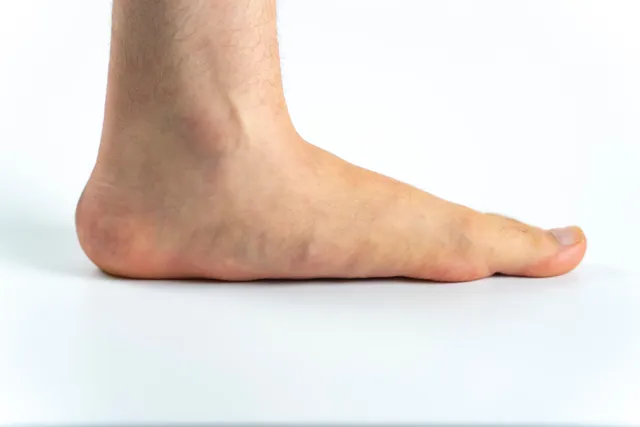
Flat feet occur when the arches of your feet touch the ground. Some people are born with this condition, and others develop it over time. Since the arches support your body weight, their collapse changes how you stand and move. Here is more information on how flat feet can affect your overall health:
Inward Ankle Rolling
Your ankles roll inward when your arches fail to hold their shape. This motion, called overpronation, throws off your natural alignment. Doctors watch for this pattern, and they can spot it during a simple gait test.
Overpronation adds stress to your ligaments. It strains the soft tissue that stabilizes each step, and repeated stress leads to swelling. When you walk long distances, you might notice discomfort along the inner ankle.
Persistent Pain
Pain is a signal that flat feet are affecting your body. Since your feet absorb shock differently, the discomfort spreads upward through your legs. You might feel it after standing for hours, and it typically lingers into the evening.
This condition can cause pain in several areas, and major spots include:
- Arches and heels
- Ankles and lower legs
- Knees and hips
These aches build gradually, and they tend to worsen with activity. When you ignore early signs, the pain settles into a daily pattern. A podiatrist examines these symptoms to find the source.
Poor Posture
Your posture depends on a stable foundation beneath you. Flat feet remove part of that support, so your body compensates in ways you rarely notice. This adjustment ripples up your spine, and it changes how you hold yourself.
Poor alignment strains your back over time. Since your hips tilt to balance the load, muscles work harder than they should. You might slouch without realizing it, and coworkers may point out the change.
Small posture shifts add up. When your spine curves to offset weak arches, tension gathers in your neck and shoulders. A physical exam helps connect these symptoms to your feet.
Difficult Time With Balance
Balance relies on steady contact between your feet and the ground. Flat feet reduce that stability, and quick movements feel harder to control. You might wobble on uneven surfaces, though the cause goes unnoticed.
Certain activities expose balance problems most clearly. Watch for trouble during these moments:
- Climbing or descending stairs
- Standing on one foot
- Walking on gravel or grass
When your base is uneven, your muscles overwork to keep you upright. This extra effort tires you faster than usual, and fatigue raises your risk of a fall. Older adults may face greater danger from these missteps. A podiatrist reviews your symptoms and builds a plan around your specific needs.
Get Treated for Flat Feet
Flat feet touch many parts of your daily life, from your ankles to your posture. Treatment options range from custom orthotics to targeted exercises. Schedule an appointment with a podiatrist today, so a trained specialist can examine your feet, explain your options, and guide you through the next steps. Reach out to a local foot and ankle clinic to book your visit.
