


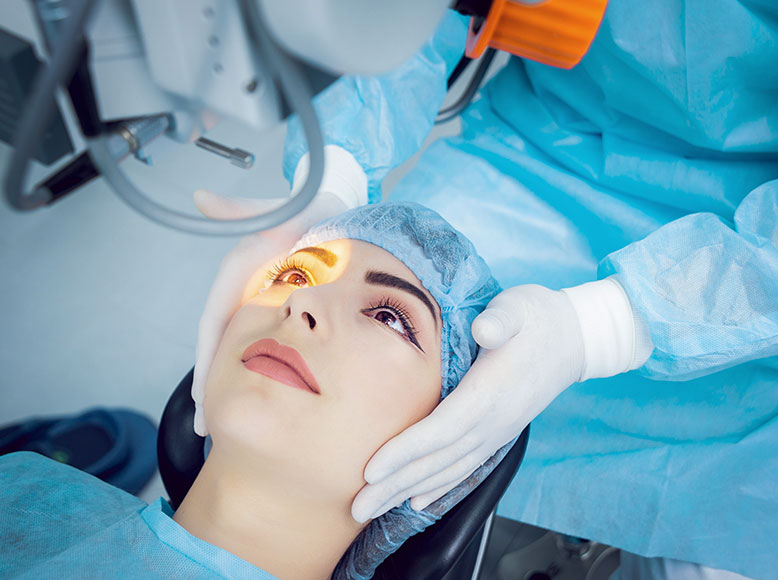
Laser eye surgery encompasses procedures like LASIK and PRK. These surgeries help address common issues like nearsightedness, farsightedness, and astigmatism. While such procedures are often relatively quick, understanding the recovery process is a key part of the overall experience. Here is more information about the recovery timeline after surgery:
Right After Treatment
After laser eye surgery, the immediate recovery period begins as soon as the procedure is complete. Patients typically receive post-procedure instructions before leaving the clinic, and they may need to arrange transportation home with a friend or family member. Immediately post-treatment, the focus is on allowing the eyes to rest while following the recommended care steps.
The eyes often feel different right after the procedure; some people notice temporary sensations like dryness, irritation, or sensitivity to light. While these symptoms vary from person to person, resting the eyes and avoiding unnecessary strain helps maintain comfort right after the surgery. Surgeons also provide specific instructions, such as applying eye drops or avoiding rubbing the eyes. Some patients may want to immediately evaluate changes in their vision after surgery. The priority during this time should be proper aftercare rather than assessing the final surgical outcome.
At the First Checkup
The first checkup often takes place a few days after the surgery. This provides an opportunity for the doctor to review the recovery process and assess how the eyes are responding to the treatment. Patients are able to use this time to share details, talk about vision changes, and discuss any concerns. Common points of discussion include:
- Changes in vision or eye comfort since the surgery
- Questions about continuing aftercare steps
- Any activities or situations that feel uncomfortable post-surgery
- Clarification on what to expect during the next phase of healing
During Initial Healing Stages
The eyes will continue to heal and adjust in the weeks following the procedure; this stage is focused on maintaining consistent care habits and giving the eyes time to recover. Patients should continue to follow any care instructions provided by the surgeon. Other preventative steps to take include avoiding exposure to dust, smoke, or other irritants. Such irritants can cause patients to want to rub their eyes, potentially interfering with the recovery process.
Patients should also pay attention to how their eyes feel during everyday activities, as changes in comfort and vision clarity occur as the eyes recover. While feelings of discomfort in the eyes can be common, patients should contact their surgeon if symptoms become severe or worsen over time. Concerns that require attention include eye pain, sudden vision changes, signs of infection, or excessive redness. An eye doctor looks at these vision issues and verifies if they are part of the normal healing process; if they are not, they provide treatment solutions, like additional medications or eye drops, to alleviate discomfort and promote healing.
Long-Term Eye Care
Once recovery has progressed enough, the focus will shift from aftercare to maintaining the results of the surgery. Many patients have stable vision around six months after the procedure, although the exact timeline will vary. Patients should continue to support their eye health by attending routine appointments and protecting their eyes from potential irritants. Staying aware of eye changes and comfort is also key; this helps promote long-term recovery. Talking to your eye doctor about shifts in clarity or difficulty reading or viewing signs when driving can determine if additional care is needed.
Discuss Laser Eye Surgery With Your Doctor
Surgical procedures like LASIK and PRK aim to correct common vision problems, and they also help reduce dependance on glasses and contact lenses. Following aftercare instructions carefully and giving the eyes enough time to heal can support proper healing. Schedule a consultation with an eye doctor today to learn more about the recovery process and determine if laser eye surgery is right for you.
