


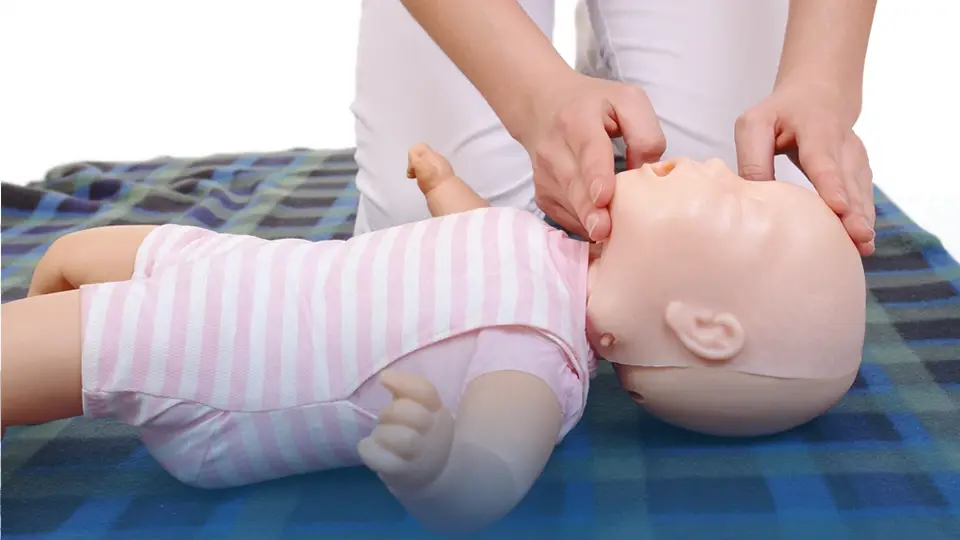
When looking after children, babysitters sometimes find themselves in situations that require quick thinking, fast responses, and sound judgment. CPR certification can help them navigate various unexpected events, including choking incidents and breathing difficulties. This training builds familiarity with emergency procedures, and it teaches babysitters how to respond appropriately while waiting for professional medical assistance. Here are some benefits of CPR training for babysitters:
1. Learn Age-Appropriate Responses
Specialized training is valuable for babysitters since children and infants require different emergency response techniques than adults. Certain CPR certification courses include pediatric instruction; they teach participants how emergency procedures differ depending on age. Babysitters can learn both hands-only CPR and CPR with breaths during these classes.
During the training, learners are introduced to emergencies that sometimes occur when babysitting. They learn how to recognize signs of choking and when to call emergency services. Learning these procedures in a controlled space gives them hands-on experience before an actual emergency occurs.
Age-specific training equips babysitters with the skills needed to respond to emergencies in a variety of settings, whether at home or at the park. Participants learn how to manage a range of situations, including responding to mild and severe airway obstructions. This training supports safer childcare by preparing babysitters to care for newborns, supervise active toddlers, and assist school-aged children.
2. Gain Practical Experience
Reading about CPR is different from practicing the techniques under the guidance of a qualified instructor. CPR certification provides hands-on training for babysitters; it allows them to practice key skills in a safe environment. They can perform chest compressions and rehearse emergency response procedures, helping them become familiar with the appropriate sequence of actions. During training, babysitters are able to ask questions and receive immediate feedback. This support helps clarify unfamiliar concepts and reinforce proper techniques. With practical experience, participants can be more prepared to respond effectively during a variety of emergency situations.
3. Expand Emergency Skills
Although CPR training prepares babysitters to respond to emergencies involving children and infants, they can also learn other life-saving techniques during training. Some certification programs combine CPR instruction with additional emergency care topics. These classes provide a broader understanding of how to respond effectively in a variety of situations.
Learning multiple emergency response techniques helps babysitters recognize different types of emergencies; this allows them to respond appropriately based on the child’s age and condition. It also enables them to act appropriately during high-pressure situations while contacting emergency services when additional assistance is needed. Rather than focusing on a single skill, CPR certification often introduces participants to a range of emergency procedures, including:
- AED use
- Pediatric CPR
- First aid
4. Demonstrate Professional Commitment
Families may look for babysitters who understand their responsibilities and are prepared to respond appropriately in emergency situations. Completing CPR certification demonstrates a commitment to professional childcare, and it equips babysitters with recognized emergency response training. This qualification can reassure employers that the babysitter has learned established procedures for responding to medical emergencies.
Certification also shows potential employers that the babysitter is committed to continuing their childcare education and developing additional skills. It may reflect a willingness to follow current emergency response practices rather than relying solely on personal experience. CPR certification helps distinguish babysitters from caregivers who have not received formal emergency response training.
Find CPR Certification Courses
Babysitters with CPR certification have practical emergency response skills that complement their everyday childcare responsibilities. While they can follow parents’ instructions and create safe environments, these professionals are also able to approach unexpected situations with increased preparedness. Anyone who regularly cares for infants or children benefits from getting this certification from a reputable, accredited organization. Find a CPR certification course that meets your needs today.
