


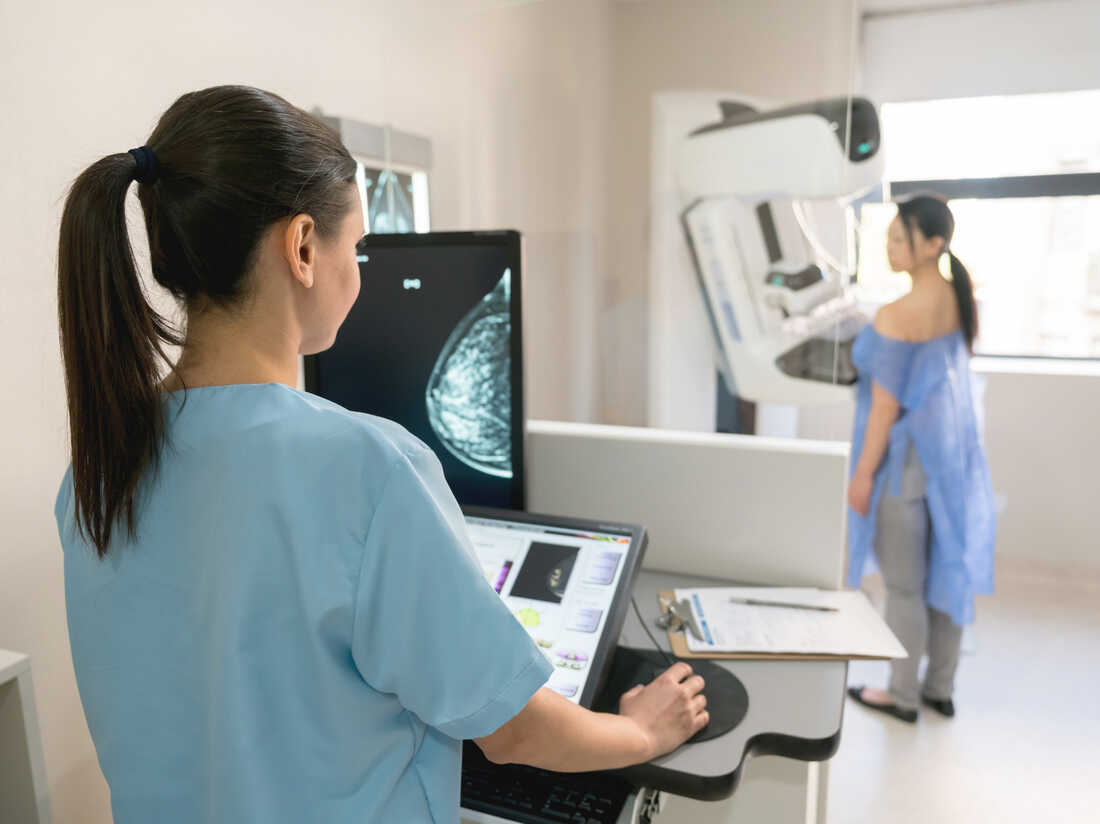
Breast exams are simple checks of tissue for changes, and they help detect cancer. A clinician performs some exams, and you perform additional checks at home. Since your body shifts over time, regular checks help you track what feels normal for you. Here is more information on the connection between these exams and your breast health:
Detecting Cancer Early
Early detection matters when a tumor is small. Small tumors respond to a wider range of treatments, and doctors have more options at that stage. Screening tests, such as mammograms, look for changes that your hands might miss.
A routine breast exam finds lumps that develop slowly. When you check often, you notice differences sooner, and you report them faster. This timing gives your care team a clearer window to act.
Establishing a Baseline
A baseline is your personal reference point for breast tissue. You learn the usual texture, and you spot new changes against that pattern. Since each person’s breasts differ, a baseline works better than a general standard.
Doctors record measurements and imaging results during your visits. These records build a history, and future exams compare against it. When something looks different, that history helps a clinician judge the change.
Self-exams are a significant part of maintaining your baseline. They are simple to perform at home and can help you detect changes early. While regular checkups with your doctor are beneficial, combining professional care with self-awareness empowers you to take an active role in your health.
Finding Abnormalities
Not every lump signals cancer, yet every change deserves a look. Cysts, thickened tissue, and benign growths appear in many people, and most turn out harmless. A trained clinician sorts these findings during an exam.
During a self-check, watch for a few specific signs:
- Lumps or firm areas
- Skin dimpling or puckering
- Nipple discharge that is not milk
- Changes in breast size or shape
Report any of these to your doctor. Since some changes come and go with your cycle, timing your check helps. You track patterns, and your clinician interprets them with more context.
Managing Risks
Certain factors raise the odds of breast cancer, and knowing yours guides your plan. Family history, age, and genetics all play a role. A doctor reviews these details and suggests a screening schedule that fits you.
You control some risk factors through daily choices. Try tracking these habits:
- Regular physical activity
- Limited alcohol intake
- Balanced diet
- Maintaining a steady weight
These steps do not remove risk, but they lower it for many people. Since habits add up over years, small changes matter. You adjust one thing at a time, and your routine grows steadier.
Some people carry gene changes that raise their risk sharply. Genetic testing identifies these changes, and counselors explain the results. When you know your status, you and your doctor plan screenings that match your needs.
Schedule a Breast Exam Today
Regular exams give you and your doctor a clear record over time. You learn your baseline, you spot changes early, and you act with better information. Since breast health shifts across your life, steady checks keep the picture current. Call your clinic and book a clinical breast exam this month, and ask about a screening schedule based on your age and history.
