


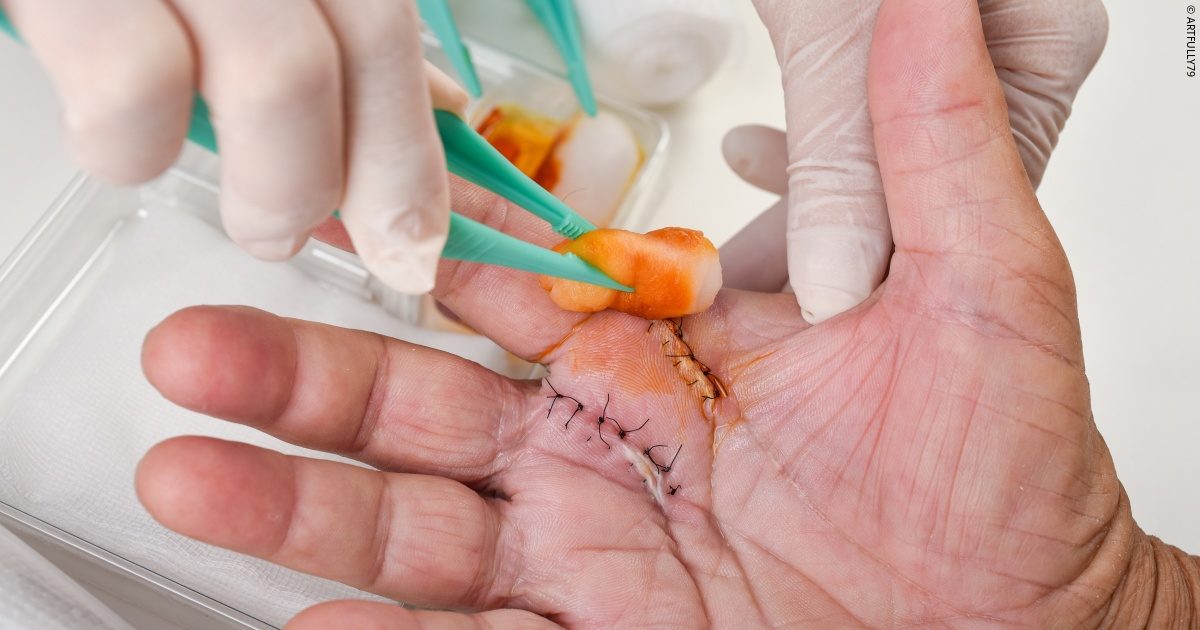
Wounds are common; cuts, ulcers, surgical incisions, and pressure injuries affect many people each year. When a wound is left untreated or improperly managed, it can lead to serious complications. Early intervention helps improve patient outcomes by preventing infection, reducing healing time, and minimizing the risk of long-term damage. Here is more information on professional wound care:
What Is Wound Care?
Wound care is a medical practice focused on managing injuries to the skin and underlying tissues; it encompasses both acute wounds, such as cuts and burns, and chronic wounds, including diabetic ulcers and pressure sores. The goal is to promote healing, prevent infection, and preserve as much tissue function as possible. Wound care may be delivered in clinical settings, at home, or through a combination of both, which is dependent on the nature and severity of the wound.
What Does It Involve?
Wound care involves a structured process that begins with assessment and continues through to full healing. A clinician will first evaluate the wound’s size, depth, and condition, and they will also assess the patient’s overall health before determining a course of action. Once the evaluation is complete, treatment is tailored to the findings and may include wound cleaning, appropriate dressings, and monitoring for signs of infection.
This type of care also addresses underlying conditions that may slow recovery. Patients with diabetes, circulatory disorders, or compromised immune systems require modified care plans; clinicians account for each individual’s risk factors when developing a treatment approach. Regular reassessment allows clinicians to adjust treatment as the wound progresses through different stages of healing, which facilitates targeted care throughout the process.
Who Does It Help?
This type of care serves a broad range of patients across different age groups and medical conditions. Some patient populations that benefit include:
- Individuals with diabetes who develop foot or leg ulcers
- Patients recovering from surgery or trauma
- Older adults with pressure injuries from limited mobility
- People with venous insufficiency affecting circulation
While professional intervention benefits many, it is particularly significant for patients managing chronic conditions that impair natural healing. Early and consistent care helps reduce the likelihood of complications such as deep tissue infection, gangrene, or amputation.
How Is Early Intervention Beneficial?
Early clinical intervention refers to the prompt assessment and treatment of a wound; wounds treated early may heal faster than those treated later. Time remains a central factor in wound outcomes, as delayed treatment allows bacteria to colonize the tissue. Early intervention reduces the overall burden of wound management. When wounds are addressed at an early stage, the resulting treatment course may be shorter and less invasive.
Early care allows clinicians to establish a baseline for tracking healing progress. Because a wound assessed on day one reveals its original state, clinicians can detect subsequent deterioration. Patients who begin care promptly may receive self-management education, and this clinical knowledge enhances the quality of recovery beyond formal appointments.
Seek Medical Intervention Now
Wound care is a clinical discipline that addresses a wide spectrum of injuries through structured assessment, tailored treatment, and ongoing monitoring. The populations who benefit most are often those with existing health conditions that compromise natural healing, and early intervention may produce better outcomes by reducing the risk of serious complications. If you have a persistent wound, seek a professional assessment. Contact a wound care specialist to begin treatment.
