


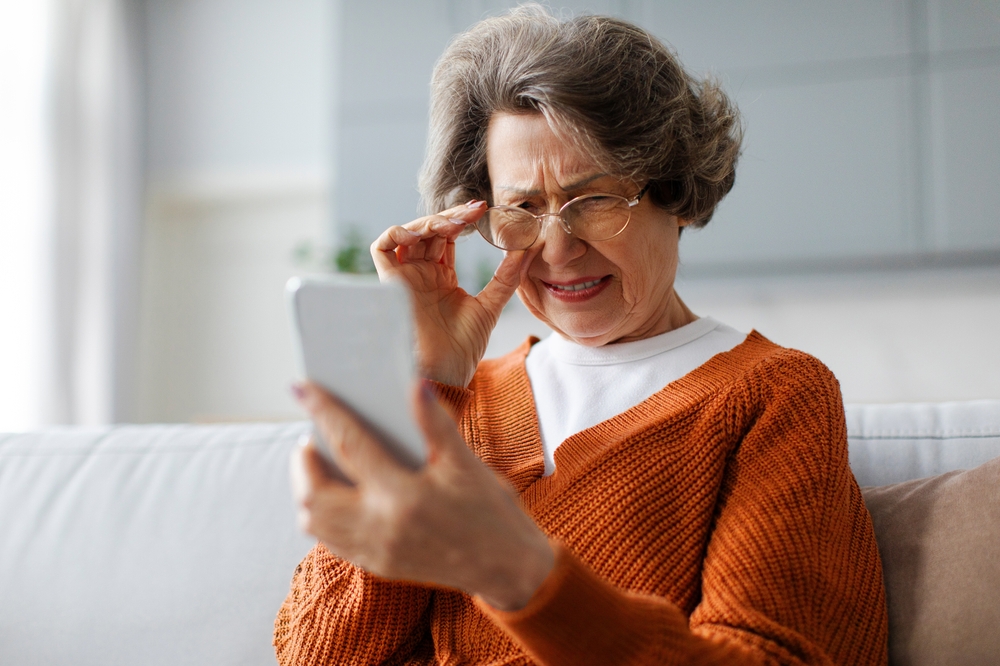
Glaucoma affects the optic nerve and develops when fluid pressure inside the eye damages this connection between the eye and brain. The condition usually involves increased eye pressure, but some cases occur with normal pressure levels. Glaucoma affects vision gradually, and many people do not notice changes until damage has progressed.
Understanding Glaucoma and Vision
Glaucoma often develops without early warning signs. Peripheral vision usually changes first, and people may not recognize the loss during daily activities. As the condition progresses, reduced side vision affects tasks such as moving through spaces and noticing objects outside the direct line of sight. The condition affects one eye or both eyes, and regular eye exams help identify changes before advanced vision loss occurs.
Recognizing Risk Factors
Several factors increase the chance of developing glaucoma. Age plays a role, and the risk increases for people over 60. Family history also affects risk, as relatives with the condition increase the likelihood of developing it.
Some groups have a higher risk of developing the disease. African Americans over age 40 and Hispanic or Latino people over age 60 face increased risk compared with other groups. A person’s medical history helps an eye doctor determine the appropriate exam schedule, and regular evaluations support early detection.
Managing Daily Changes
Vision changes from glaucoma affect how people complete certain activities. Reduced peripheral vision affects driving, walking through crowded areas, and noticing objects near the edges of a room. These changes develop slowly, so some people do not recognize the impact at first.
Vision rehabilitation services and devices support people experiencing vision loss that affects their daily tasks. These resources help individuals adapt to changes in sight, and an eye doctor provides guidance based on the level of vision impairment.
Angle-closure glaucoma presents different symptoms because pressure rises quickly inside the eye. Signs include intense eye pain, nausea, red eyes, and blurry vision. A person with these symptoms needs prompt medical attention because sudden changes require evaluation.
Detecting Eye Changes
Doctors diagnose glaucoma through a comprehensive dilated eye exam. The exam includes several tests, and each method evaluates a different part of eye health. Tonometry measures eye pressure, while visual field testing identifies areas of missing vision.
Other tests examine different structures of the eye. Gonioscopy evaluates the drainage angle, and ophthalmoscopy allows the doctor to examine the optic nerve. Pachymetry measures corneal thickness, while optical coherence tomography creates images of the optic nerve to track changes over time.
Treating Vision Loss
Treatment focuses on lowering eye pressure and protecting remaining vision. Eye drops are a common treatment option, and they reduce pressure inside the eye. Laser treatment improves fluid drainage, while surgery provides another option when other treatments do not control pressure.
Treatment does not restore vision already lost from glaucoma. A doctor creates a plan based on the condition, and ongoing care tracks changes over time. Regular follow-up visits help evaluate whether treatment continues to manage eye pressure.
Schedule an Eye Exam
Glaucoma often develops without noticeable symptoms, and vision changes may appear after damage occurs. A comprehensive eye exam identifies signs of the condition, and early detection supports timely treatment. Schedule an eye exam with a vision care provider to discuss risk factors and evaluate eye health.
