


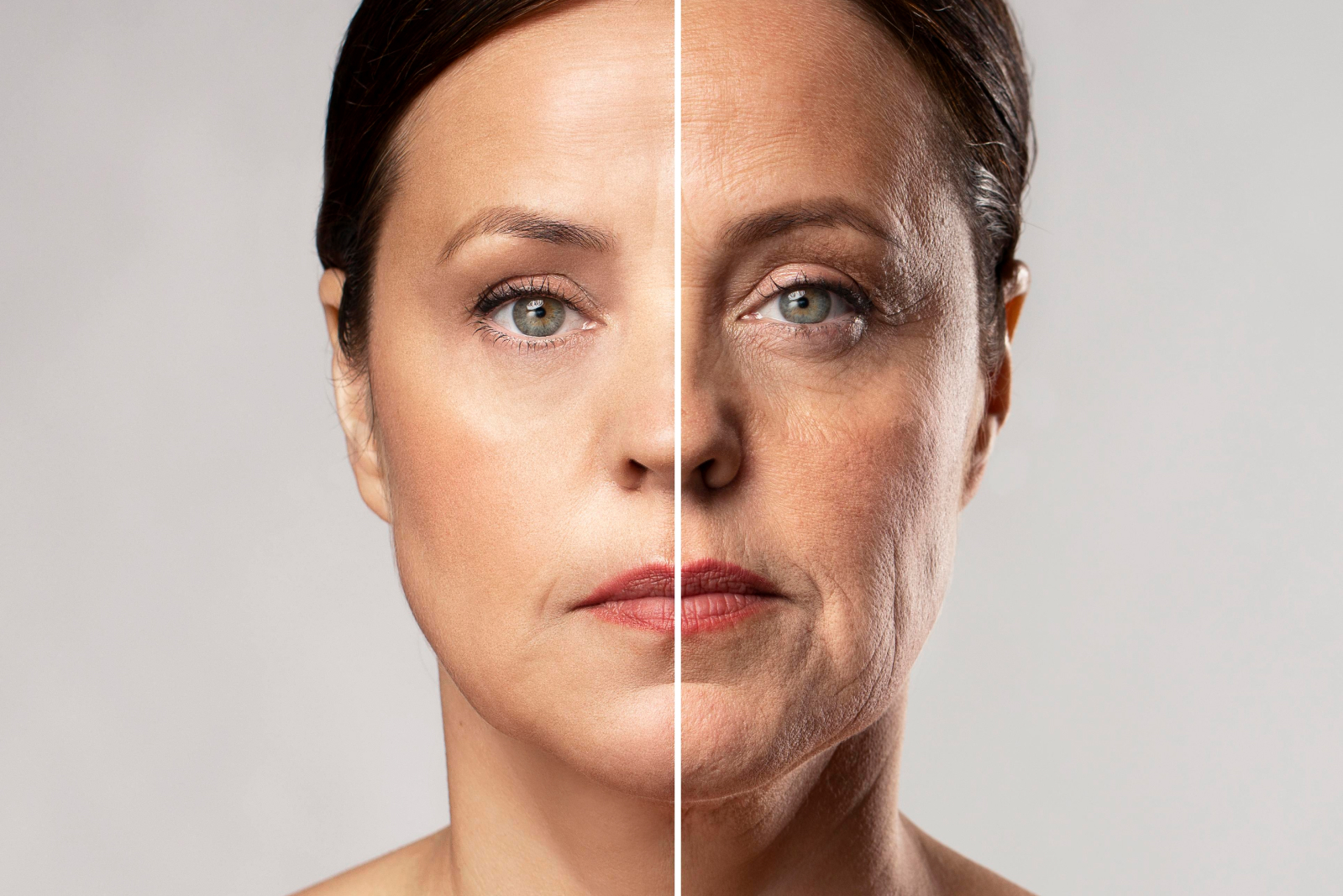
Wrinkles are a natural part of aging, but there are effective treatments to reduce the appearance of facial wrinkles. Botox is a common non-surgical treatment that smooths facial lines and wrinkles. Here is more information about Botox and its effect on facial wrinkles:
Understanding Wrinkle Types and Causes
Wrinkles fall into two categories: static and dynamic. Static wrinkles appear even when your face is at rest because the skin has lost collagen and elasticity over time; dynamic wrinkles form from repeated muscle movements like squinting, frowning, and smiling. Botox targets dynamic wrinkles specifically because it works by temporarily relaxing the muscles responsible for those movements. Fillers address static wrinkles by adding volume beneath the skin’s surface. They physically fill in lines that exist at rest. Botox works differently since it blocks the nerve signals that cause muscles to contract. The overlying skin stays smooth during expressions.
Reviewing the Effects of Botox
Botox is a purified form of botulinum toxin, a neurotoxic protein produced by the bacterium Clostridium botulinum. When injected in small, controlled doses, Botox interrupts the communication between nerve endings and muscle fibers. The targeted muscles relax, and the skin above them softens.
Common treatment areas include:
- Forehead lines
- Crow’s feet around the eyes
- Frown lines between the brows, also called “11 lines”
- Bunny lines on the nose
- Lip lines
- Chin dimpling
Getting Botox Injections
A Botox appointment is straightforward and typically takes a few minutes. The steps generally go as follows:
- Consultation: Your provider assesses your facial anatomy and identifies treatment areas.
- Preparation: The skin is cleansed, and a topical numbing cream may be applied for comfort.
- Injection: Using a fine needle, the provider injects small amounts of Botox into the targeted muscles.
- Post-treatment review: Your provider checks the injection sites and gives you aftercare instructions before you leave.
Most people tolerate the procedure well, and there is no recovery period required afterward.
Caring for Yourself After Botox
After your appointment, avoid rubbing the treated areas for at least 12 hours, and strenuous exercise should be postponed for 24 hours after the procedure. Staying upright for three to four hours after treatment helps prevent the product from migrating to unintended muscles. You may experience symptoms that are temporary, such as redness or swelling at the injection site.
Results typically appear within three to four days, with full effects visible by two weeks. The skin looks smoother, and facial expressions can remain natural because only the targeted muscles are relaxed. Botox results last three to four months on average, though this varies based on the individual, the treatment area, and the amount used. Regular maintenance appointments help sustain the outcome over time.
Get Smoother Skin Today
Botox is a well-established, minimally invasive treatment for dynamic wrinkles. It works by temporarily relaxing specific facial muscles, smoothing the skin above them without surgery or significant downtime. The injection process is quick, aftercare is minimal, and results can last several months with proper maintenance. If you want to learn more about Botox and wrinkle reduction, consult a dermatologist near you.
