


Tooth loss affects many adults, influencing how a person eats, speaks, and feels about their appearance. There are several ways to replace missing teeth, and dental implants are a common and reliable option. Understanding what implants are and what they offer can help you make an informed decision about your oral health.
What Are Dental Implants?
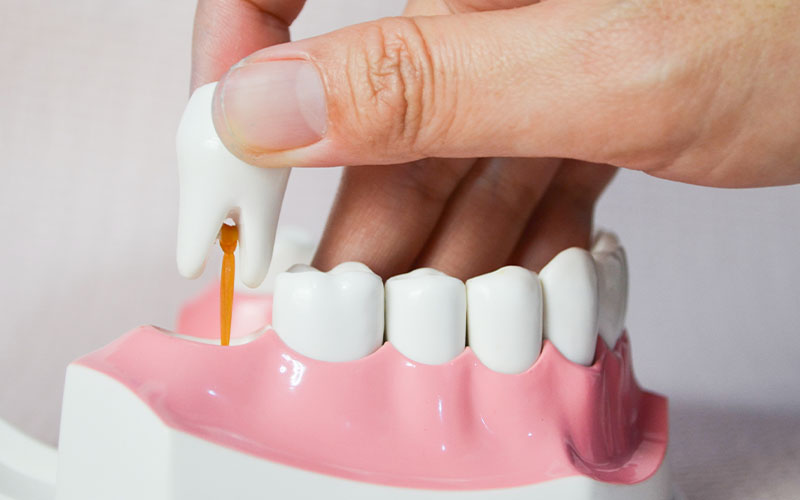
Dental implants are small posts that are usually made of titanium, and a dentist places them into the jawbone to act as a replacement for a missing tooth root. Once the post settles into the bone, it forms a stable base that can hold a replacement tooth. On top of the post sits an abutment, which connects the implant to a crown. The crown is the visible portion that looks and functions much like a natural tooth.
Implants can replace a single tooth or several teeth. They support a bridge or a set of dentures. Titanium is a common material because it is durable, and it tends to bond well with bone over time. The result is a fixed structure that does not rely on neighboring teeth for support, which sets implants apart from other tooth replacement methods.
What Does It Involve?
The dental implant process usually takes place across several appointments, spanning a few months. Every case is different, and a dentist will outline the specific plan based on an individual’s needs. The process often begins with an examination. This step helps determine whether the bone can support an implant. A bone graft may be recommended before the implant is placed in some cases.
Once the mouth is ready, the dentist surgically positions the titanium post into the jawbone. After placement, a healing period follows. The bone gradually grows around the post in a process known as osseointegration. This stage helps the implant become secure. Healing can take several weeks to a few months, but this depends on the person and the location of the implant.
After the post has bonded with the bone, the dentist attaches the abutment. An impression of the mouth is then taken so that a custom crown can be created to match the shape and shade of the surrounding teeth. The final step involves securing the crown onto the abutment, and the dentist may make small adjustments to confirm that the bite feels comfortable and functions properly.
What Are the Benefits?
Dental implants offer several practical advantages, which some patients can find appealing. Implants are anchored in the jawbone, so they provide stable support for a replacement tooth. This stability allows a person to chew a wide range of foods. Implants are also designed to look natural. The crown is matched to the color and shape of existing teeth, and this helps it blend in. This can restore a complete appearance to a person’s smile.
Another benefit relates to the surrounding teeth. Some tooth replacement options require altering nearby teeth for support. Implants stand on their own, which means adjacent teeth remain untouched. This approach helps preserve more of the natural tooth structure. With proper care, implants can last for many years. The crown attaches to a fixed base, so cleaning an implant is similar to caring for natural teeth.
Consult With a Dentist
Dental implants represent one of several approaches to replacing missing teeth, and the right choice depends on each person’s oral health and goals. A dentist may evaluate the condition of your teeth, gums, and jawbone to determine whether implants are a suitable option for you. During this evaluation, you can learn about the timeline, the materials involved, and the level of care an implant requires.
