


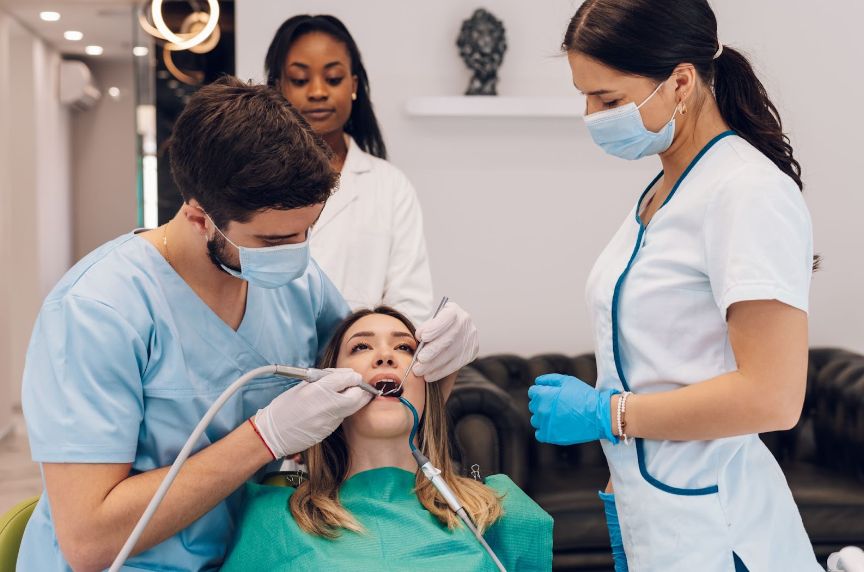
General dentists focus on the ongoing care and maintenance of your teeth and gums, and they treat patients of all ages. This is why a general dentistry practice is the primary point of contact for your oral health needs. Their work covers a range of services, from routine cleanings to more advanced procedures. Understanding what these practices provide can help you know when and where to seek care. Here’s information on general dentistry services and what to expect from them:
Offering Routine Services
Routine services form the foundation of general dentistry; these appointments typically include examinations, professional cleanings, and diagnostic imaging. During a standard visit, a dentist evaluates the condition of your teeth and gums to identify areas that may need attention. Routine care also covers restorative work, including:
- Fillings for Cavities
- Crowns for Damaged Teeth
- Bridges To Replace Missing Teeth
General dentists often perform root canal treatments and extractions as well. Regular visits allow your dentist to track changes over time, and consistent appointments support the early identification of common issues.
Offering Preventive Care
Preventive care aims to reduce the likelihood of dental problems before they develop. This category includes fluoride treatments, dental sealants, and detailed cleanings that remove plaque and tartar buildup. Dentists may also provide guidance on brushing techniques and daily oral health habits. Screenings are another part of preventive care. Many practices conduct oral cancer screenings during routine checkups, and dentists monitor gum health to catch signs of periodontal concerns.
Offering Specialist Services
Beyond routine and preventive care, many general dentistry practices offer specialist services. These treatments address cosmetic goals, alignment concerns, and urgent situations. Professional teeth whitening is a cosmetic service that lightens the shade of natural teeth. Practices may offer in-office treatments or take-home kits with custom trays. In-office options are typically completed in a single visit, while take-home kits are used over several days. Your dentist can explain which approach suits your situation.
Invisalign
Invisalign uses a series of clear, removable aligners to gradually shift teeth into position. Many patients choose this option as an alternative to traditional metal braces. The aligners are custom-made based on impressions or digital scans of your teeth. Treatment length varies depending on individual needs, and your dentist will monitor progress throughout the process.
Emergency Dentistry
Emergency dentistry addresses urgent dental situations that require prompt attention. Many practices reserve time for emergency appointments so patients can receive care quickly. If you experience a dental emergency, contact your practice as soon as possible to arrange treatment. Some emergency dental situations include:
- Severe Tooth Pain
- Knocked-out Teeth
- Broken Restorations
- Abscesses
Find a General Dentistry Practice
General dentistry practices offer a range of services that cover routine appointments, preventive measures, and specialist treatments. Routine services include examinations and restorative work, while preventive care focuses on reducing future problems through cleanings and screenings. Specialist options such as teeth whitening, Invisalign, and emergency dentistry expand the scope of care available under one roof. When choosing a practice, think about factors such as location, available services, and appointment flexibility. Take time to research nearby options and schedule a consultation to learn more about the services that align with your goals.
