


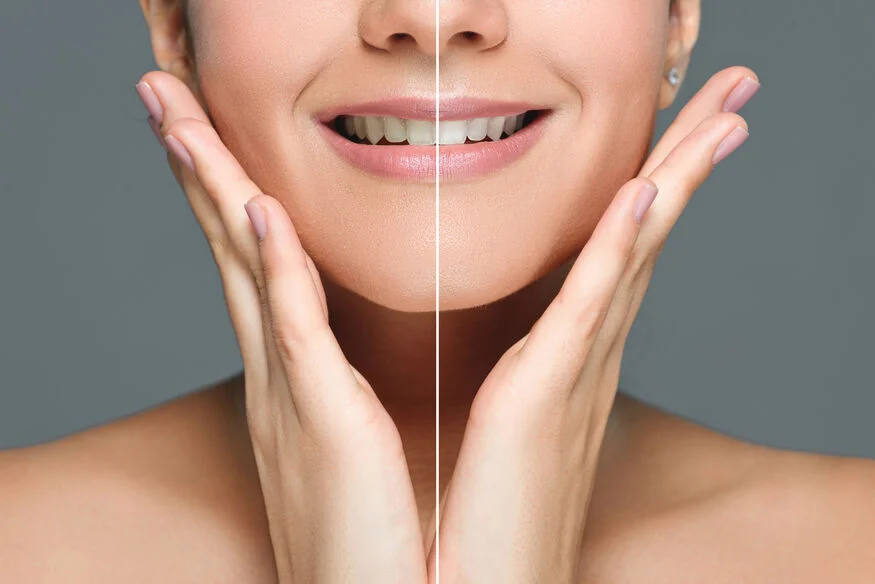
Professional teeth whitening is a dental procedure that is designed to remove stains and discoloration from teeth, resulting in a brighter smile. It is typically performed by a licensed dentist using specialized equipment and professional-grade whitening agents, and it effectively addresses certain types of staining on teeth. Here is more information about professional teeth whitening:
Understanding Causes of Tooth Discoloration
Tooth discoloration falls into two main categories, and teeth whitening treatments address each differently. Extrinsic stains are ones that form on the outer layer of the tooth, called the enamel. These stains are on the surface of the teeth and can be effectively addressed by whitening treatments.
Common causes include:
- Dietary habits
- Tobacco use
- Coffee
- Tea
- Red wine
Intrinsic stains originate within the tooth itself. Causes include certain medications taken during childhood and dental trauma; excessive fluoride exposure, and natural aging. Intrinsic stains are more resistant to whitening because they originate in the dentin layer beneath the enamel.
Professional teeth whitening works most effectively on extrinsic stains, but some mild intrinsic discoloration may also respond to treatment. A dental provider can evaluate the type and severity of staining before recommending the most appropriate approach. Knowing which type of stain is present helps set realistic expectations for the outcome.
Comparing Professional and Retail Whitening
Professional whitening treatments differ from retail options in both strength and precision. During a professional whitening session, the provider first protects the gums and soft tissues from the bleaching agent. The dentist then applies a concentrated hydrogen peroxide or carbamide peroxide directly to the teeth. Some treatments use a special light that activates the whitening agent. The entire process typically takes 90 minutes, and many patients see their teeth lighten dramatically in a single visit.
Identifying Ideal Candidates for Whitening
Professional teeth whitening is a good fit for adults with healthy gums and teeth who have extrinsic stains from food, beverages, or tobacco. Dentists do not recommend whitening treatments for individuals with the following conditions:
- Untreated cavities
- Gum disease
- Severely sensitive teeth
- Pregnant women
Your dental provider can work with you to address any active decay or problematic areas before undergoing whitening treatments. Those with dental restorations such as crowns, veneers, or bonding may not achieve uniform results; whitening agents do not alter the color of artificial materials. A dental provider can assess whether whitening is appropriate given the presence of any restorations.
Good candidates also benefit from a professional consultation before they begin treatment. The provider will review the patient’s dental history and examine the extent of discoloration, and they will recommend a treatment plan tailored to their needs. This personalized approach sets professional whitening apart from generic retail solutions.
Schedule a Professional Teeth Whitening
Professional whitening is a safe and effective way to address tooth discoloration, and the results can last for years with proper care. The treatment works well for extrinsic stains, though a dental provider can assess intrinsic discoloration as well. To learn more about professional teeth whitening, consult a dental provider near you.
