


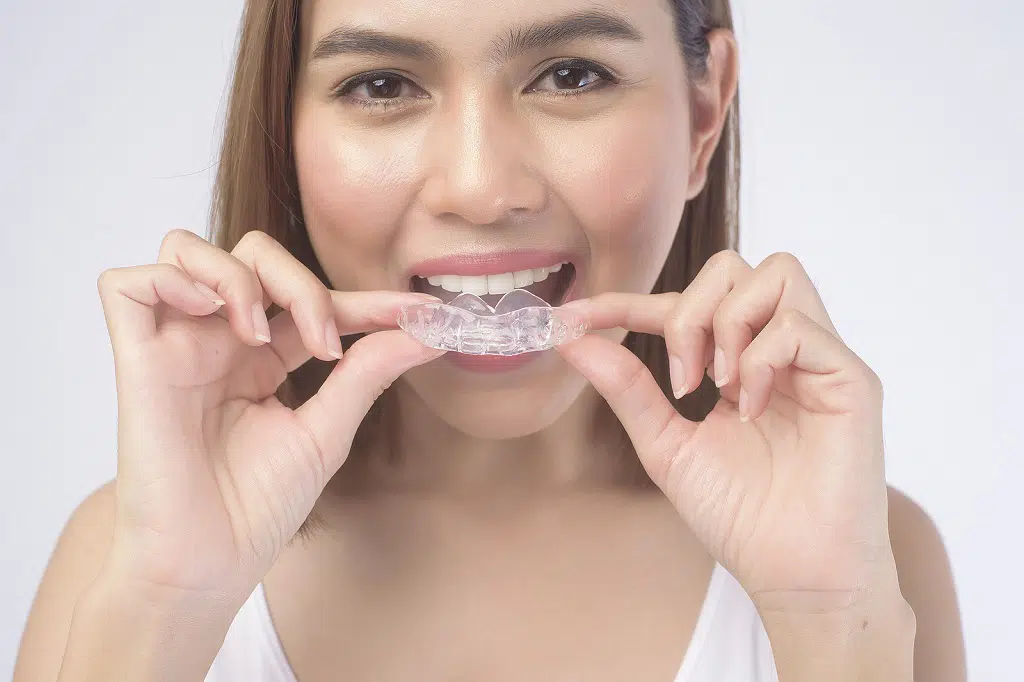
Crooked teeth and misaligned bites affect more than just appearance; they can make cleaning harder and put uneven pressure on your jaw. Modern dentistry offers discreet solutions that allow hygiene routines to continue without special tools or methods. Invisalign is one teeth-straightening option available today, and understanding how it works can help you determine if it is appropriate for you. Here is more information about Invisalign and how it works:
Understanding How Invisalign Works
Invisalign straightens teeth through a series of custom-made, clear plastic aligners that gradually shift teeth into their correct positions. Each set of aligners applies gentle, controlled pressure to specific teeth, and patients switch to a new set every two weeks as treatment progresses.The system can correct a wide range of orthodontic concerns, including:
- Crowding and spacing issues
- Overbite, underbite, and crossbite
- Open bite
- Crooked teeth
The aligners are removable and nearly invisible, so many patients choose this option when they are prioritizing normal eating and hygiene or aesthetics.
Starting Invisalign Treatment
Beginning Invisalign treatment involves multiple steps:
- Initial consultation: A qualified dental provider will examine your teeth and take digital scans or X-rays to thoroughly assess your oral health.
- Treatment assessment: Your provider will use this information to determine whether Invisalign is the right solution for your specific concerns or whether an alternative treatment may be more appropriate.
- Custom treatment planning: A detailed treatment plan is then created, mapping out the projected movement of your teeth from start to finish.
Following Invisalign Guidelines
Wearing your aligners for at least 22 hours per day is the standard recommendation for achieving results. Aligners are removed only for eating and drinking anything other than water; you will also remove them to perform your oral hygiene routines. You visit your provider periodically throughout treatment so they can monitor progress and make adjustments as needed.
Consistency matters throughout this process, and a reduction in wear time can slow progress. Keeping your aligners clean and storing them properly when they are not in use also supports the desired outcomes. Treatment length varies based on the complexity of each case. Many patients complete their Invisalign treatment within about 12 months.
Maintaining Your Treatment Results
Once your final aligner is worn and complete, and your teeth have reached their target positions, the process does not stop there. Your provider will recommend a retainer to keep your teeth in place, since teeth can gradually shift without one. Wearing a retainer as directed protects the results you worked to achieve, and it helps you maintain your straightened smile in the long-term. Regular dental check-ups remain a key part of post-treatment care. Your provider monitors your teeth over time and addresses any signs of shifting before they become a more significant problem.
Learn More About Invisalign
Invisalign offers a practical, discreet way to achieve a straighter smile by using clear aligners to gradually reposition teeth. Clear aligners offer a way to straighten teeth without disrupting normal hygiene and dietary habits, and they make it easier to see the progress of your results at various stages. If you want to learn more about the benefits of Invisalign, schedule a consultation with a dental provider today.
