


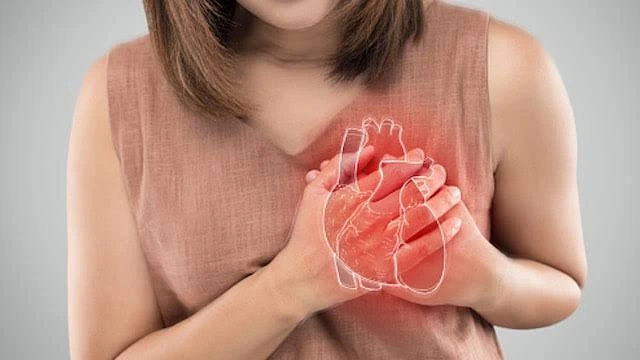
Heart disease affects women differently than men, and the signs may be missed. Many women experience symptoms that don’t appear like classic chest pain. Since these differences exist, working with trained professionals gives you a clearer path to care. Here is more information about professional care for women’s heart health:
Personalizing Treatments
Every woman has a unique medical history, and a one-size-fits-all plan typically doesn’t fit well. Cardiologists review your background, medications, and lifestyle before they suggest a direction. Rather than a general template, a tailored plan reflects your body’s unique needs.
Professionals adjust treatments as your situation changes over time. Your hormones shift, and those shifts influence how your heart responds. When a doctor tracks these patterns, they refine your care with greater accuracy. Regular check-ins keep the women’s heart health plan current.
Providing Risk Assessments
Risk assessments give you a measured look at your heart’s condition. A specialist gathers data, and that data reveals patterns you might not notice alone. When professionals combine test results with your family history, they build a fuller picture. This process removes guesswork. During an assessment, your care team reviews several factors:
- Blood pressure and cholesterol levels
- Family history of cardiovascular disease
- Blood sugar and weight measurements
- Lifestyle habits like smoking or activity levels
Diagnosing Female-specific Conditions
Some heart conditions appear mainly in women, and standard tests sometimes overlook them. Spontaneous coronary artery dissection is one condition that requires specialized recognition for women. Their training closes the diagnostic gap. Since these conditions behave differently, experienced clinicians know what to look for.
Pregnancy adds another layer to heart health. Preeclampsia raises long-term cardiovascular risk, so doctors monitor these patients closely. When a specialist understands these links, they catch problems earlier. This awareness shapes your ongoing care.
In some cases, female-specific conditions need particular screening tools. Recognizing these signs early supports timely treatment, and this may reduce complications. Some professionals watch for warning signs such as:
- Fatigue during daily tasks
- Shortness of breath with light activity
- Pain in the jaw, neck, or back
- Nausea paired with lightheadedness
Building Healthy Habits
Daily choices shape your heart’s future, and professionals help you make steady changes. A dietitian reviews your eating patterns before suggesting practical swaps. When you set small goals, you build habits that last. Support keeps you accountable.
Movement plays a large role in heart health. Your care team recommends activity levels that suit your body. Since progress happens gradually, they adjust targets as your fitness grows. This steady approach fits women’s lifestyles.
Sleep and stress also may affect your heart. Professionals discuss these areas, and they offer concrete techniques to manage them. When you address stress directly, you support your cardiovascular system.
Find Women’s Heart Health Services
Professional support gives you information, structure, and guidance for your heart. A dedicated team reviews your history, and they tailor care to your specific needs. Take the next step toward informed heart care today. Schedule an appointment with a women’s heart health specialist near you. When you reach out, you connect with people trained to understand your concerns.
