


Missing a tooth can affect your smile, your speech, and your ability to chew comfortably. Dental implant surgery offers a reliable, long-term solution, and implants can replace one or more missing teeth. Here is more information about how dental implants work:
Explaining Dental Implants
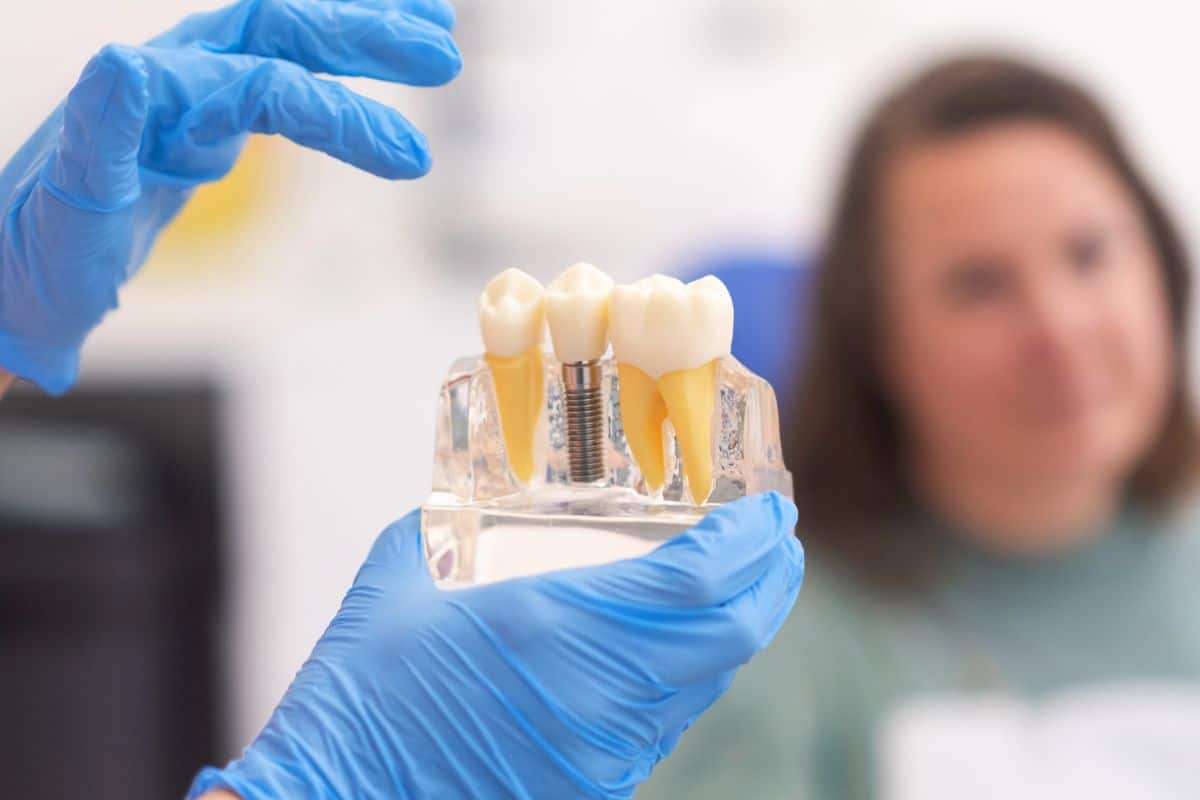
Dental implants are titanium posts. A dentist surgically places the posts into the jawbone to replace the root of a missing tooth. After the post fuses with the bone, a dental crown is then attached to the top, creating a restoration that looks and functions like a natural tooth. The result is a stable, durable tooth replacement, and it supports the surrounding teeth and helps maintain the structure of the jaw.
Identifying Candidates
Not every patient is a candidate for implants, and a dentist will evaluate several factors before recommending surgery. Adequate jawbone density is one requirement because the implant needs a solid foundation to fuse with the bone. A patient’s overall health also matters. Conditions like uncontrolled diabetes or gum disease may need to be addressed beforehand.
A dentist typically uses X-rays or 3D imaging to assess bone volume, and they conduct a full medical and dental history. Patients who smoke may face a higher risk of complications, so providers typically recommend quitting before moving forward. The process involves multiple stages and follow-up appointments.
Reviewing the Implant Process
Getting dental implants involves several appointments spread across a few months. Here is a general overview of the stages:
- Consultation and planning: The dentist assesses your bone structure, reviews your health history, and creates a treatment plan.
- Implant placement: The titanium post is surgically inserted into the jawbone under local anesthesia.
- Osseointegration: Over the next three to nine months the post fuses with the surrounding bone to create a stable base.
- Abutment placement: Once the implant has integrated, a small connector piece is attached to the post.
- Crown placement: A custom-made crown is fixed to the abutment, completing the restoration.
Some patients require bone grafting before the implant can be placed, which adds time to the overall plan.
Exploring Recovery and Long-term Care
The days that immediately follow implant surgery involve some swelling, mild discomfort, and minor bleeding at the surgical site. Most patients manage these symptoms well with prescribed or over-the-counter pain relief. Soft foods may be recommended during the early healing period; this helps avoid excessive pressure on the site.
Long-term care for dental implants closely mirrors the care for natural teeth. Brushing twice daily and flossing regularly keep the gum tissue around the implant healthy, and routine dental check-ups allow the provider to monitor the implant over time. Because implants are made of titanium and topped with a ceramic or porcelain crown, they are resistant to decay, though the surrounding gum tissue still needs attention.
With proper maintenance, implants can last a lifetime, and implants blend in with natural teeth. Patients who grind their teeth at night may be advised to wear a night guard to protect the crown. Staying consistent with regular cleanings and check-ups is one effective way to preserve the investment long-term.
Learn More About Dental Implants
Dental implants are a multi-step process that includes evaluation, placement, and follow-up. Recovery is manageable for most patients, and with consistent oral hygiene, implants can serve as a lasting solution for tooth loss. If you have questions about dental implants and their benefits, consult a dental provider near you.
