


Introduction
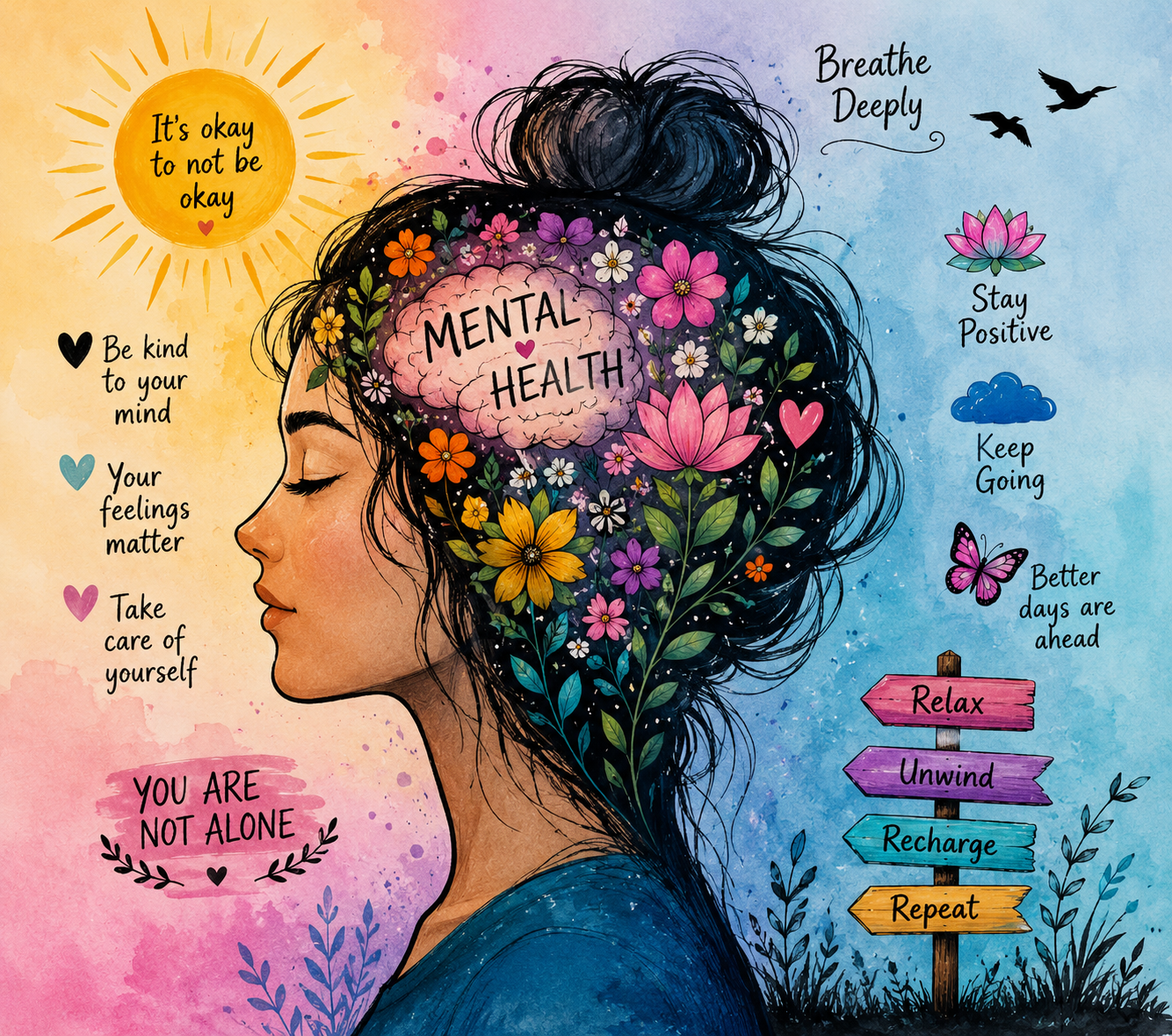
Mental health art has become a powerful way for individuals to express emotions, reduce stress, and improve overall emotional well-being. Art provides a safe and creative space where people can communicate feelings that may be difficult to express through words. From painting and drawing to digital art, sculpture, photography, and creative writing, artistic activities can play a valuable role in supporting mental wellness.
In recent years, mental health art has gained recognition among therapists, educators, and communities as a meaningful tool for promoting self-awareness, relaxation, and personal growth. While art is not a replacement for professional mental health treatment, it can be a helpful addition to self-care and emotional support practices.
What Is Mental Health Art?
Mental health art refers to creative activities and artworks that explore emotions, personal experiences, healing, and psychological well-being. It allows individuals to transform thoughts, memories, and feelings into visual or creative forms.
The purpose of mental health art is not to create a perfect masterpiece but to enjoy the process of self-expression. Every color, shape, and design can represent personal emotions and experiences.
Common forms of mental health art include:
- Painting and watercolor art.
- Sketching and drawing.
- Digital illustrations.
- Collage and mixed-media artwork.
- Photography.
- Sculpture and crafts.
- Creative journaling.
The Connection Between Art and Mental Health
Art has been used for centuries as a method of storytelling, communication, and emotional expression. Creating art can help people slow down, focus on the present moment, and better understand their inner thoughts.
Many people find that engaging in creative activities can:
- Reduce feelings of stress.
- Encourage relaxation.
- Improve emotional awareness.
- Build confidence.
- Promote mindfulness.
- Provide a healthy way to express difficult emotions.
The act of creating something meaningful can offer comfort and a sense of achievement.
Benefits of Mental Health Art
1. Encourages Emotional Expression
One of the greatest benefits of mental health art is its ability to help individuals express emotions without needing to explain them verbally.
People experiencing sadness, anxiety, frustration, or uncertainty may use colors, patterns, and images to represent their feelings in a creative way.
2. Helps Reduce Stress and Anxiety
Creative activities can be calming and meditative. Focusing on painting, drawing, or crafting may help people take a break from daily worries and focus on the present moment.
Simple activities like coloring or sketching can create a sense of peace and relaxation.
3. Improves Self-Awareness
Creating artwork often encourages individuals to reflect on their thoughts and emotions.
By observing themes, colors, and symbols in their artwork, people may develop a better understanding of their emotional experiences.
4. Builds Self-Esteem and Confidence
Completing a piece of art can provide a feeling of accomplishment. It reminds individuals that creativity does not require perfection and that every person has a unique way of expressing themselves.
This confidence can positively affect other areas of life.
5. Supports Mindfulness
Mindfulness involves focusing on the present moment without judgment. Art naturally encourages mindfulness by directing attention toward shapes, colors, textures, and creative choices.
This can help calm a busy mind and create a more peaceful emotional state.
Mental Health Art Therapy
Art therapy is a professional therapeutic approach that uses creative activities to help people explore emotions, manage stress, and improve psychological well-being.
Licensed art therapists may work with individuals dealing with:
- Anxiety.
- Depression.
- Trauma.
- Grief.
- Stress-related challenges.
- Emotional difficulties.
Art therapy combines psychological techniques with creative expression to support healing and personal development.
Popular Types of Mental Health Art
Mandala Art
Mandala designs use repeating patterns and shapes that can promote focus, relaxation, and mindfulness.
Nature-Inspired Artwork
Drawing flowers, landscapes, trees, and natural scenes can create feelings of peace and connection with the environment.
Abstract Art
Abstract artwork allows people to express emotions freely through colors, textures, and shapes without following specific rules.
Emotion-Based Paintings
Many artists create paintings that represent feelings such as joy, sadness, hope, or healing.
Digital Mental Health Art
Technology has introduced new ways for people to create and share meaningful digital illustrations focused on emotional wellness.
How to Start Creating Mental Health Art
You do not need professional artistic skills to enjoy mental health art.
Follow these simple steps:
Choose Your Materials
Use whatever feels comfortable, including:
- Pencils.
- Paints.
- Markers.
- Digital drawing tools.
- Paper or canvas.
Create a Comfortable Space
Choose a quiet environment where you can relax and focus without distractions.
Express Without Judgment
Avoid worrying about whether your art looks good. The purpose is emotional expression and enjoyment.
Use Colors That Match Your Feelings
Different colors can represent different emotions. For example:
- Blue may represent calmness.
- Yellow may symbolize happiness.
- Green may reflect growth and balance.
- Red may express passion or strong emotions.
Mental Health Art in Communities and Education
Schools, workplaces, and community organizations increasingly use art projects to encourage emotional wellness.
Examples include:
- Mental health awareness murals.
- Group painting sessions.
- Creative workshops.
- Stress-relief coloring activities.
- Art exhibitions focused on emotional experiences.
These activities help create conversations around mental health and reduce social stigma.
The Role of Social Media in Mental Health Art
Online platforms have allowed artists to share their experiences and connect with supportive communities.
Many creators use social media to:
- Share artwork related to healing.
- Inspire others.
- Raise mental health awareness.
- Encourage open conversations about emotions.
Digital communities can help people feel less alone in their personal journeys.
Common Misconceptions About Mental Health Art
You Must Be a Professional Artist
This is false. Anyone can create art, regardless of experience or skill level.
Art Replaces Professional Treatment
Although mental health art can support emotional well-being, it is not a substitute for professional mental healthcare when someone needs medical or psychological treatment.
There Is a Right or Wrong Way to Create
Every person’s artistic style is unique. The value comes from expression and creativity, not perfection.
Tips for Using Art as Self-Care
To make art a regular part of your wellness routine:
- Keep a sketchbook or journal.
- Spend a few minutes drawing each day.
- Experiment with different art styles.
- Create without judging your work.
- Use art to explore your emotions.
- Share your creations with supportive people if you feel comfortable.
Small creative habits can contribute to a healthier and more balanced lifestyle.
Conclusion
Mental health art is a beautiful and meaningful way to explore emotions, reduce stress, and encourage self-expression. Whether through painting, drawing, photography, digital design, or creative journaling, art gives people an opportunity to connect with themselves in a positive way.
While it is not a replacement for professional mental healthcare, mental health art can be an important part of a balanced self-care routine. By embracing creativity and allowing emotions to be expressed freely, individuals can discover peace, confidence, and personal growth through the healing power of art.
