


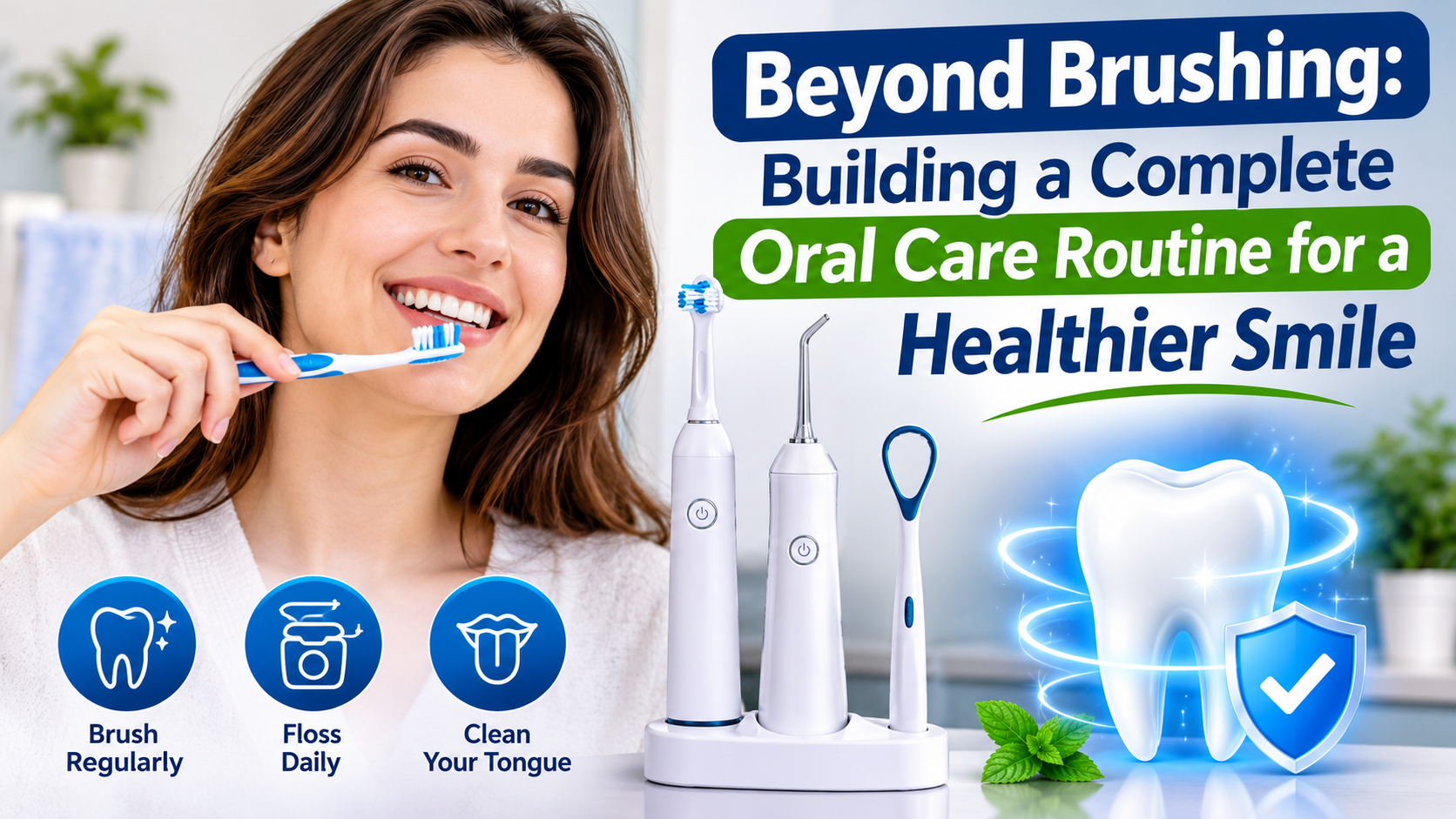
A healthy smile is rarely the result of one habit alone. Brushing is essential, but teeth and gums need attention in places a toothbrush may not fully reach. Food particles and plaque can collect between teeth, while bacteria on the tongue may contribute to unpleasant breath. A thoughtful oral-care routine therefore looks beyond brushing and combines several simple practices performed consistently.
Modern oral-care brands are exploring ways to make those practices easier to maintain. Tahir Oral Care, for example, presents products that bring brushing, interdental cleaning and tongue care into a more coordinated daily routine. Its range offers a useful starting point for considering how convenience, technique and consistency can work together. The most important principle, however, remains the same: choose methods that suit your mouth and follow advice from a dental professional.
Why Brushing Alone May Not Be Enough
A toothbrush cleans the accessible surfaces of teeth, but the narrow spaces between neighbouring teeth can be difficult to reach with bristles alone. Plaque left undisturbed may contribute to gum irritation and tooth decay. That is why dental professionals commonly recommend cleaning between teeth every day, using a method appropriate to the size of the spaces and the person’s needs.
Interdental cleaning does not have to mean using one particular tool. Traditional floss, interdental brushes and suitable electric devices are options people may consider. The right choice depends on factors such as tooth spacing, dental work, dexterity and personal comfort. If floss catches, causes persistent discomfort or is difficult to manoeuvre, a dentist or hygienist can demonstrate alternatives rather than leaving the step out altogether.
The Often-Forgotten Role of the Tongue
The tongue has a textured surface that can hold debris and bacteria. Gently cleaning it can help reduce the coating that contributes to bad breath for some people. A tongue cleaner or the tongue-cleaning feature of a multi-purpose device may make this step easier to remember.
Gentleness matters. Use light pressure and avoid scraping so firmly that the tongue becomes sore or irritated. Tongue cleaning is an addition to brushing and interdental care, not a substitute for either. Persistent bad breath, soreness, unusual patches or changes in taste should be discussed with a dental or medical professional, since they can have causes that a home-care routine will not resolve.
Making Daily Care Easier to Maintain
The most effective routine is one a person can realistically repeat morning and night. Keeping supplies together, following the same sequence and choosing comfortable tools can reduce the effort involved.
A simple order might be to brush with fluoride toothpaste, clean between the teeth, gently clean the tongue and follow any additional instructions given by a dentist. People should follow the directions supplied with their chosen products and avoid brushing aggressively.
This is where product design can play a practical role. Tahir One is presented as a 3-in-1 system combining an electric toothbrush, electric flosser and electric tongue cleaner, with a UV dock for storing its oral-care heads. Readers who want to understand the features can review the Tahir One 3-in-1 oral-care system.
A combined device may appeal to people who prefer a consolidated setup, although no gadget can replace good technique or regular dental check-ups.
Choosing an Interdental Cleaning Tool
When comparing interdental tools, consider comfort, ease of handling, cleaning instructions, replacement parts and ongoing cost. Some people prefer the familiarity and flexibility of string floss. Others may find a powered option easier to use consistently, particularly if handling conventional floss is challenging.
Tahir Oral Care also offers a dedicated electric flosser. The product information describes a finger-free design, sonic motion and multiple cleaning modes. Anyone researching this format can explore the Tahir Electric Flosser and compare its specifications with their own needs.
Product descriptions are a starting point, not a clinical assessment: people with braces, implants, gum disease, sensitive areas or recent dental treatment should ask their dentist which method is appropriate.
Whatever tool is selected, use it as directed. Do not force a tip between tightly spaced teeth or continue through pain or bleeding. Occasional bleeding can occur when inflamed gums are first cleaned, but persistent bleeding, swelling or discomfort deserves professional attention.
A More Considered Approach to Sustainability
Oral-care products also create packaging and replacement-item waste, so disposal is worth considering when comparing options.
Tahir Oral Care describes a recycling route for used floss heads through participating Boots UK stores. Its website explains that used heads should be collected in batches of five and taken to a participating store, subject to the scheme’s current requirements.
Recycling arrangements can vary by location and may change, so consumers should check the brand’s latest instructions and confirm participation with the retailer before travelling.
More broadly, a sustainable routine is one that balances responsible disposal with hygiene: replace brush heads and other components according to manufacturer guidance, and do not keep worn or damaged items in use simply to reduce waste.
The Basics Still Matter Most
Tools are only one part of oral health. Brush twice daily with fluoride toothpaste, clean between teeth once a day, limit frequent sugary snacks and drinks, and attend dental appointments at the interval recommended for you.
After brushing, spit out excess toothpaste rather than rinsing immediately with water, unless a dental professional has advised otherwise. This helps avoid washing away much of the fluoride left on the teeth.
People with dry mouth, a history of gum problems, orthodontic appliances, crowns, bridges or implants may need a tailored routine. Children also need age-appropriate toothpaste amounts and supervision with brushing. A dentist or hygienist can show the correct technique and recommend products based on an individual examination.
Conclusion
A complete oral-care routine is not about owning the largest collection of gadgets. It is about consistently cleaning the surfaces of the teeth, the spaces between them and the tongue, while using gentle technique and seeking professional guidance when needed.
Thoughtfully designed products may make those steps more convenient, especially for people who struggle to maintain traditional methods. Tahir Oral Care’s combination of brushing, electric flossing and tongue-cleaning options reflects a wider shift toward making everyday oral hygiene more integrated.
Whether someone chooses a multi-function device, a separate flosser or traditional tools, the goal remains a practical routine that supports long-term dental health. Small actions repeated every day—and regular advice from a qualified dental professional—are what make the lasting difference.
