


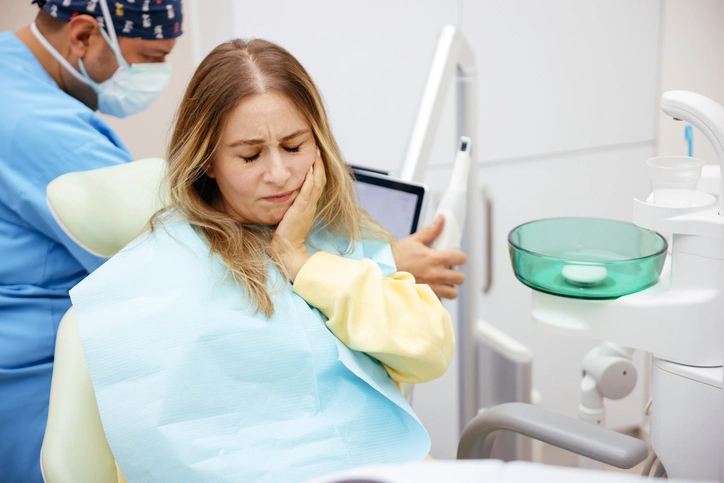
Emergency dentistry provides specialized care for urgent oral health problems, particularly when delaying treatment until a routine appointment may increase the risk of complications. Some symptoms are clearly severe, while others may seem minor yet still require same-day attention. Here is more information on what emergency dental care involves, situations that qualify as emergencies, and why prompt action matters:
What Is an Emergency Dentist?
An emergency dentist is a dental professional who treats urgent oral health conditions beyond standard checkups. Unlike a general dentist who focuses on preventive care and scheduled procedures, an emergency dentist prioritizes speed and stabilization. They assess the problem and relieve discomfort, but they also address the underlying cause to prevent further complications.
What Services Do They Offer?
Emergency dentists provide a range of treatments designed to resolve acute problems quickly. Standard services include tooth extractions, temporary crown placement, and repair of chipped or fractured teeth. They treat infections, and they may drain abscesses. They also manage severe toothaches, which can interfere with daily function.
Diagnostic services such as X-rays are also available, and these help identify hidden damage that may not be visible during a standard examination. When a tooth has been knocked out, a dentist may attempt reimplantation. The success of this procedure depends on how quickly the patient reaches the office, so prompt action is beneficial. Specific services vary by clinic.
What Are Dental Emergencies?
A dental emergency is any oral health situation that requires urgent care. These situations include:
- Knocked-out, loose, or severely fractured teeth
- Uncontrolled bleeding from the mouth or gums
- Facial or gum swelling that spreads or affects breathing
- Severe, persistent toothache that does not respond to pain relief
Milder issues, such as a small chip without pain or a lost filling, can often wait for a regular appointment. Contacting a dental office for guidance clarifies the level of urgency.
Why Does Quick Action Matter?
Time affects the outcome of some dental emergencies. A knocked-out tooth has the highest chance of being saved when treated within 30 to 60 minutes of the injury, and delays reduce that chance. Permanent tooth loss may result. Acting fast preserves the mouth’s natural structure, which avoids more complex procedures later.
Untreated infections carry risks because bacteria from an abscess can spread to surrounding tissue, the jaw, and in rare cases, other parts of the body. Prompt treatment contains the infection. Severe dental pain may not resolve on its own. Pain management is another reason to respond quickly, as discomfort has the potential to intensify over time without treatment. Seeing an emergency dentist provides relief, and it addresses the source of the discomfort in a single visit.
Seek Emergency Dental Care
Emergency dental care addresses urgent problems that cannot wait for a routine appointment. Recognizing a dental emergency, knowing the services available, and understanding the value of speed all contribute to better outcomes. Quick action preserves teeth, and it helps manage pain before conditions worsen. If you experience severe pain, bleeding, swelling, or a damaged tooth, contact an emergency dentist right away.
