


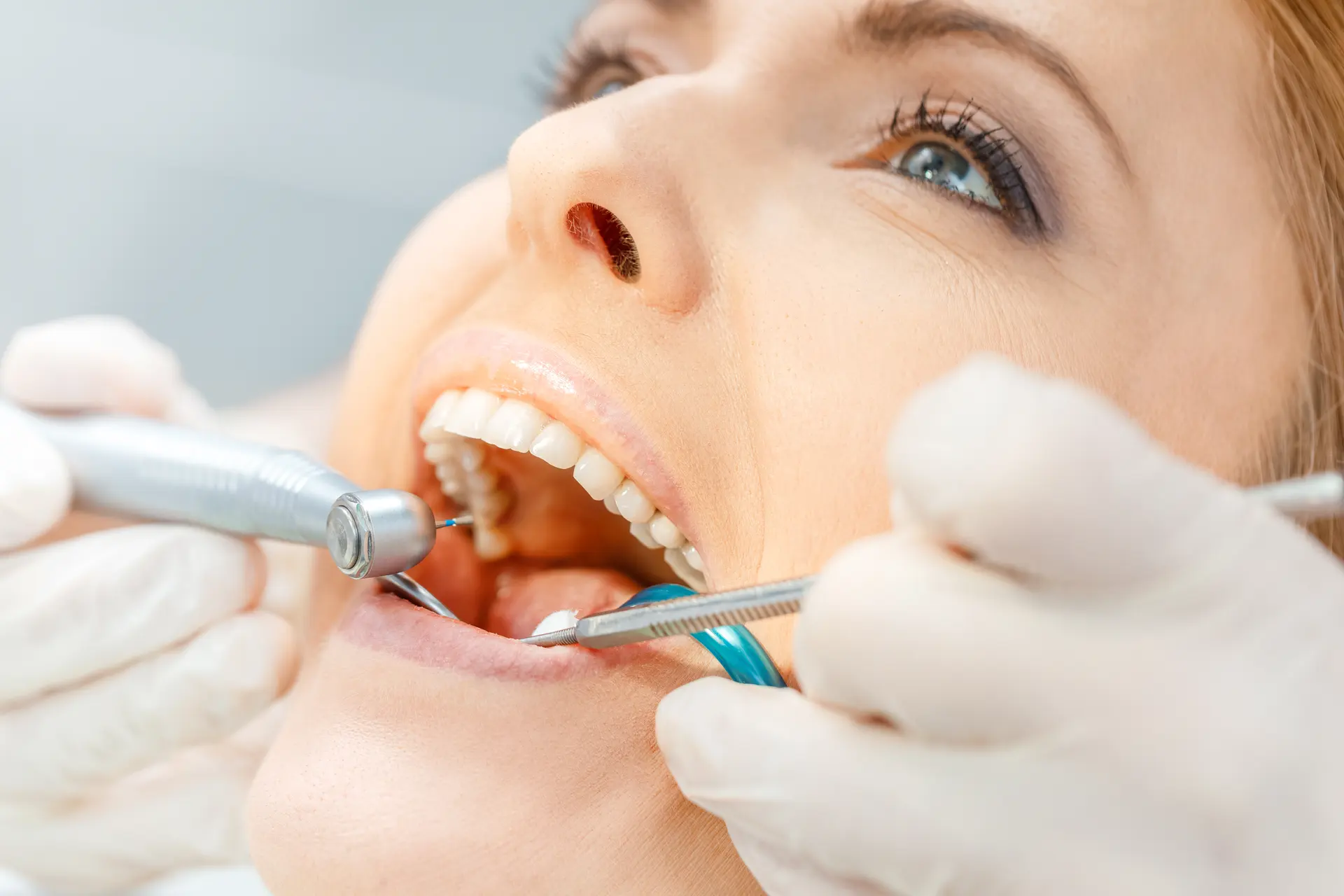
A dentist is a trained professional, and they examine your mouth, clean your teeth, and treat problems early. Regular check-ups keep your oral health on track, and they give you a chance to ask questions. When you visit twice a year, your dentist spots small issues before they grow. Here is more information on the role of regular check-ups:
Professional Cleanings
Your dentist removes plaque and tartar during a professional cleaning. Brushing helps at home, but hardened tartar needs special tools. Since plaque builds up in hidden spots, a hygienist reaches areas your toothbrush misses.
A cleaning also polishes your teeth and freshens your breath. When your gums stay clear of buildup, they hold your teeth in place. Cleanings are quick, and most visits take under an hour.
Diagnostic Imaging
Diagnostic imaging shows what a visual exam cannot. Your dentist uses X-rays to view the areas below your gum line. Since some problems hide between teeth, images reveal them early.
X-rays help your dentist track several concerns:
- Hidden cavities between teeth
- Increased bone loss around the roots
- Impacted or shifting teeth
Imaging happens fast, and the process feels painless. When your dentist reviews the results, they explain each finding in plain terms.
Prevented Gum Disease
Gum disease starts quietly, and many patients notice no early signs. Regular check-ups let your dentist measure your gum health. When bacteria collect along the gum line, cleanings remove the buildup that causes swelling.
Your dentist checks for bleeding, redness, and pocket depth. When these signs appear early, treatment stays simple. Small changes now help you avoid larger problems later.
Healthy gums are the foundation of a strong, beautiful smile. Without proper care, gum disease can progress silently and lead to more severe issues like tooth loss or bone damage, which underscores the importance of routine dental visits. Regular cleanings, combined with good at-home habits, are a simple yet powerful way to protect your gum health for years to come.
Controlled Decay
Tooth decay develops when acids wear down your enamel. Your dentist finds early decay during each exam, and they suggest treatment right away. When decay spreads over time, early action keeps it contained.
Several habits help control decay between visits:
- Brush twice daily with fluoride toothpaste
- Floss once a day
- Limit sugary snacks and drinks
Your dentist may apply sealants or fluoride to protect weak spots. When you follow their advice, you lower your risk of new cavities. Small steps at home support the work done in the chair.
Fillings repair damage before it reaches the nerve. Your dentist explains each option, and they answer your questions first. Since untreated decay leads to pain, timely repairs keep your teeth comfortable.
Schedule a Dentist Check-up Today
Regular check-ups combine cleanings, imaging, and early treatment. Your dentist tracks your oral health over time, and they adjust their advice as needed. Since problems grow slowly, steady visits keep you informed. Book your next appointment today to stay on schedule and pick a time that fits your day. Call or visit your dentist’s website to reserve your spot now.
