


Introduction
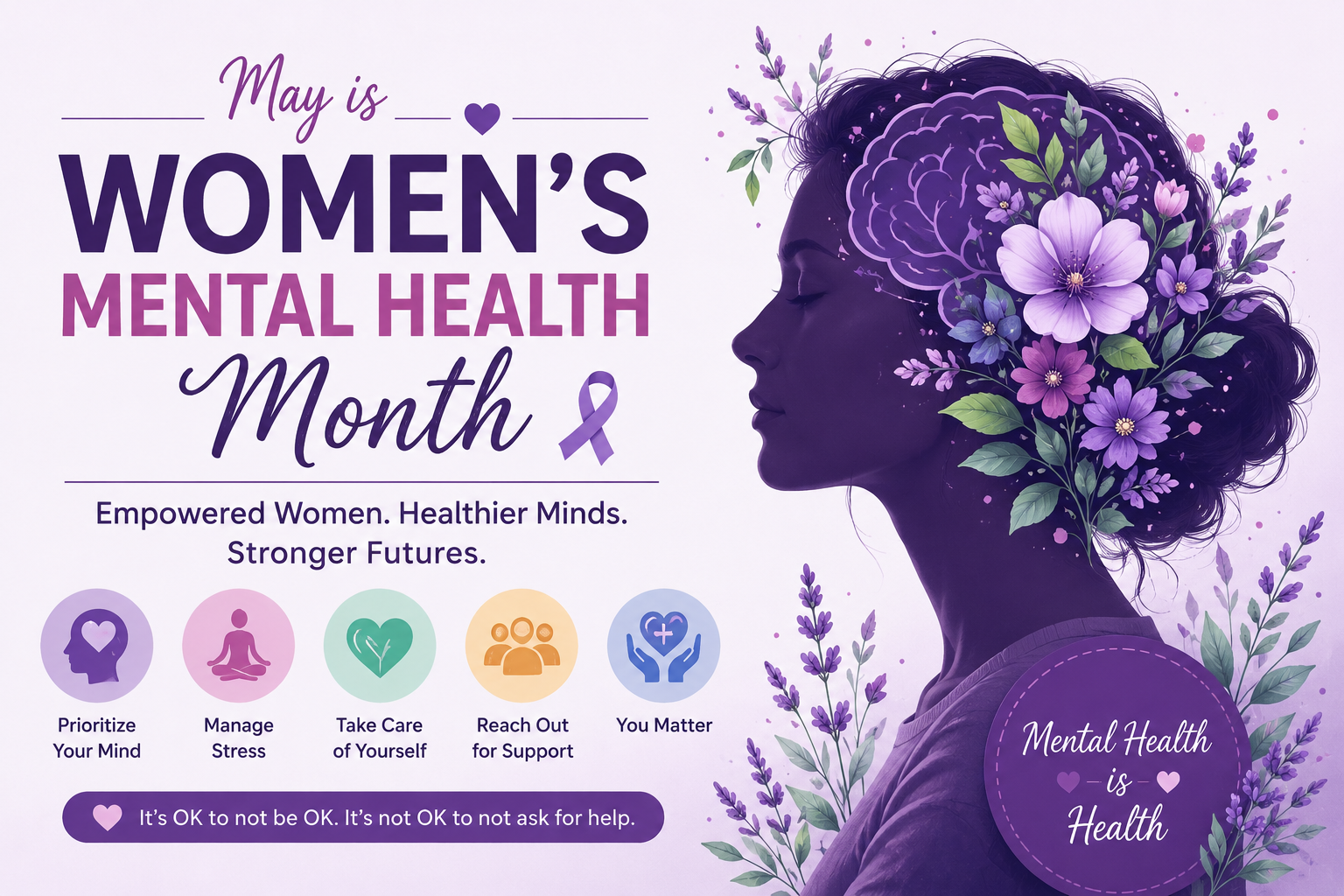
Women’s Mental Health Month is an important opportunity to raise awareness about the unique mental health challenges women face and the importance of emotional well-being throughout every stage of life. Women often balance multiple responsibilities, including careers, education, relationships, caregiving, and family duties, which can impact stress levels and overall mental health.
By promoting open conversations, education, and access to support, Women’s Mental Health Month encourages individuals and communities to recognize mental health as an essential part of overall wellness.
What Is Women’s Mental Health Month?
Women’s Mental Health Month focuses on increasing awareness about emotional and psychological health issues that affect women. It highlights the need for early recognition, professional support, and healthy lifestyle habits that can improve mental wellness.
Women can experience mental health concerns at different life stages due to biological, social, and environmental factors. These may include hormonal changes, pregnancy, motherhood, menopause, work stress, financial pressure, and personal relationships.
The goal of this awareness period is to reduce stigma and encourage women to seek help without fear or shame.
Why Women’s Mental Health Is Important
Mental health affects how people think, feel, and respond to everyday situations. Maintaining emotional wellness helps women build healthy relationships, make decisions, manage stress, and enjoy a better quality of life.
Good mental health can contribute to:
- Better self-confidence.
- Stronger personal relationships.
- Improved physical health.
- Increased productivity.
- Better stress management.
- A more positive outlook on life.
Taking care of mental health is just as important as caring for physical health.
Common Mental Health Challenges Women Face
1. Anxiety Disorders
Anxiety is one of the most common mental health concerns among women. It can involve excessive worry, fear, nervousness, or physical symptoms such as rapid heartbeat and difficulty relaxing.
Managing anxiety may include therapy, stress-management techniques, regular exercise, and professional medical guidance.
2. Depression
Depression can affect emotions, thoughts, energy levels, and daily activities. Symptoms may include:
- Persistent sadness.
- Loss of interest in activities.
- Fatigue.
- Changes in sleep patterns.
- Difficulty concentrating.
Professional support and treatment can help individuals manage depression and improve their quality of life.
3. Stress and Burnout
Many women experience stress from balancing personal and professional responsibilities. Long-term stress may contribute to exhaustion, emotional fatigue, and reduced motivation.
Ways to manage stress include:
- Setting realistic goals.
- Practicing relaxation techniques.
- Taking regular breaks.
- Maintaining social connections.
- Seeking support when necessary.
4. Pregnancy and Postpartum Mental Health
Pregnancy and motherhood bring significant emotional and physical changes. Some women may experience mood changes, anxiety, or postpartum depression after childbirth.
Support from healthcare professionals, family members, and community resources plays a crucial role during this period.
5. Mental Health During Menopause
Hormonal changes during menopause can affect mood, sleep, and emotional balance. Some women experience increased anxiety, irritability, or changes in overall well-being.
Healthy habits and professional medical advice can help manage these changes effectively.
Factors That Influence Women’s Mental Health
Several factors can affect a woman’s emotional health, including:
Biological Factors
Hormonal changes during puberty, pregnancy, menstrual cycles, and menopause can influence mood and emotional responses.
Social Pressures
Society often places expectations on women regarding appearance, career success, family responsibilities, and relationships, which may increase emotional stress.
Lifestyle Factors
Poor sleep, lack of exercise, unhealthy eating habits, and limited social support can negatively impact mental wellness.
Ways to Improve Mental Well-Being
Practice Self-Care
Self-care involves taking time to support physical and emotional needs. Simple activities such as reading, exercising, enjoying hobbies, or spending time outdoors can improve mood.
Stay Physically Active
Regular physical activity can support mental wellness by reducing stress and improving overall health.
Maintain a Healthy Diet
Nutritious foods provide energy and support brain function, contributing to better emotional balance.
Build Strong Relationships
Connecting with supportive family members and friends helps reduce feelings of loneliness and stress.
Get Quality Sleep
Adequate sleep is essential for emotional regulation, concentration, and overall mental performance.
Breaking the Stigma Around Mental Health
One of the major goals of Women’s Mental Health Month is to break the stigma surrounding mental health discussions. Many women avoid seeking help because they fear judgment or believe they must handle challenges alone.
Open conversations can create a supportive environment where individuals feel comfortable discussing their emotions and accessing professional care when needed.
When to Seek Professional Help
It is important to seek professional guidance when emotional difficulties begin affecting daily life, relationships, work, or personal health.
Consider speaking with a healthcare professional if you experience:
- Long-lasting sadness.
- Severe anxiety or panic attacks.
- Major changes in sleeping or eating habits.
- Difficulty managing daily responsibilities.
- Thoughts of self-harm or hopelessness.
Early support can make a significant difference in recovery and long-term well-being.
The Role of Family and Communities
Families, workplaces, and communities play a powerful role in supporting women’s mental health.
Support can include:
- Listening without judgment.
- Encouraging professional care.
- Promoting work-life balance.
- Creating safe spaces for conversations.
- Raising awareness about mental health resources.
A compassionate environment helps women feel valued and supported.
Healthy Habits for Long-Term Mental Wellness
Maintaining mental health requires ongoing attention. Helpful habits include:
- Practicing mindfulness and meditation.
- Limiting unnecessary stress.
- Maintaining a daily routine.
- Spending time with positive people.
- Setting healthy personal boundaries.
- Celebrating achievements and progress.
Small daily actions can create meaningful improvements over time.
The Future of Women’s Mental Health Awareness
Awareness campaigns like Women’s Mental Health Month continue to encourage better education, improved healthcare access, and greater acceptance of mental health discussions.
As society becomes more aware of emotional well-being, more women can receive the support, resources, and understanding they need to live healthier and more balanced lives.
Conclusion
Women’s Mental Health Month serves as a reminder that emotional wellness is a vital part of a healthy and fulfilling life. By increasing awareness, breaking stigma, and encouraging self-care and professional support, society can help women prioritize their mental health.
Every woman deserves access to understanding, support, and effective mental healthcare. Through compassion, education, and healthy lifestyle choices, we can create a future where women’s emotional well-being is valued and protected.
